Beer-articles 1026
Madison Beer Sparks Romance at Courtside: Date Night with Boyfriend at Lakers Game

Madison Beer and Justin Herbert made a stylish appearance at a Los Angeles Lakers game, showcasing their blossoming relationship. The couple was spotted together courtside as the Lakers faced off against the Cleveland Cavaliers. Throughout the game, they were seen sharing smiles and intimate moments, creating quite a buzz among fans who captured their affectionate exchanges online.
Having confirmed their relationship, this outing marks another in a series of public appearances. Beer, recognized for her musical talent as a Grammy-nominated artist, opted for a chic outfit consisting of a fitted top and casual denim, complemented by sleek accessories. Herbert, who plays as the starting quarterback for the Los Angeles Chargers, dressed in a comfortable hoodie and cap.
The game saw the Lakers triumph with their 50th victory of the season, while Luka Dončić and LeBron James turned heads with noteworthy performances. However, fans shifted their gaze toward Beer and Herbert, who have become a noteworthy couple in the celebrity world. Their bond has grown stronger with each outing, including a recent incident where Herbert protectively shielded Beer from a flying basketball, adding to their charming narrative.
As they continue to support each other’s careers and express their values in relationships—connection and humor—this couple’s public displays of affection suggest a deepening bond that fans eagerly follow.
The Surprising Origins of Your Favorite ‘Craft’ Beer: How Anheuser-Busch Is Behind It All

I first sampled Goose Island IPA at 30,000 feet. While I enjoyed the taste, I realized that Goose Island Beer Co.’s place on that airline’s drink cart was likely due to the backing of its owner, Anheuser-Busch (AB InBev). In fact, Goose Island is one of many brands under the AB InBev umbrella, an acquisition that shocked many craft beer enthusiasts back in 2011.
Goose Island was founded by John Hall in 1988 as a brewpub in Lincoln Park, Chicago, during a pivotal time in the craft beer movement. Inspired by European beer traditions, Hall opened a full-scale brewery in 1995, and the business expanded over the years. By 2006, increased investments helped Goose Island branch out internationally, leading to its acquisition by AB InBev in 2011. This conglomerate also owns major brands like Budweiser, Corona, and Stella Artois.
Despite its history of change, Goose Island maintains a strong lineup of beers, including its flagship IPA, which remains popular among craft beer aficionados. The brewery is also known for its Bourbon County Brand stout, marketed as the "world’s first bourbon barrel-aged beer," despite debates over its origins and claims. Their offerings have since diversified into several barrel-aged variants.
Classic brews like Full Pocket Pilsner, 312 Wheat Ale, and the original Honker’s Ale, which premiered at the brewpub in 1988, still sell well today. Inspired by its European roots, Goose Island also offers beers like King Henry II Barrel-Aged English-Style Barleywine and Belgian-style ales including Sofie Saison and Grand Cru Belgian Strong Ale.
The notion of Goose Island "selling out" hasn’t deterred fans; the brewery holds a respectable rating of 3.9 on Untappd, even outperforming independent Sierra Nevada by a hair. Many beer enthusiasts feel the quality has endured, even under larger ownership. The beer community remains supportive, with discussions emphasizing enjoyment over corporate affiliations.
The craft beer industry is facing challenges, with more breweries closing than opening recently, contrasting sharply with prior years’ booms. For some, aligning with a major brewer may seem like compromising artistry, but for others, it provides stability and a platform for growth. Enjoying a Goose Island IPA, whether on a plane or at home, signifies that quality often transcends ownership.
For more insights, you can read the original article on Tasting Table.
Brewing a Legacy: The Timeless Journey of Tiger Beer Through the Years
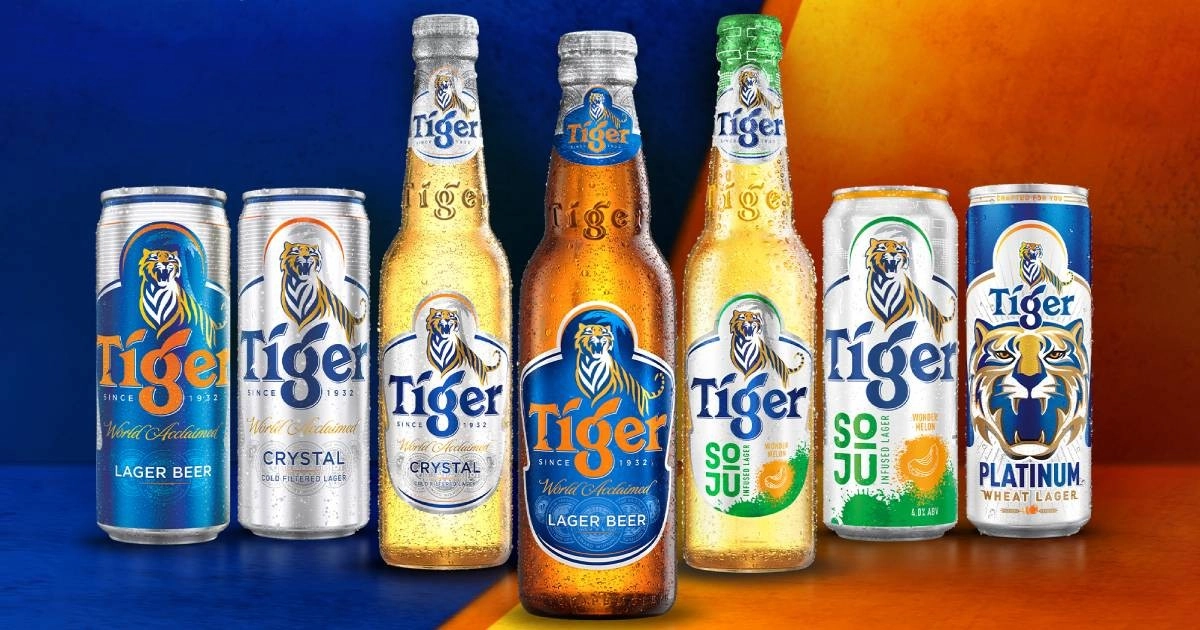
Tiger Beer has firmly established itself as a significant part of Singapore’s history and culture over the past nearly 100 years. As it approaches 2027, the brand is set to shift its brewing operations from Singapore to facilities in Malaysia and Vietnam, marking a major transition for the homegrown beer.
The Beginning: 1932
Tiger Beer was born from a partnership between Dutch brewing giant Heineken and local F&B company Fraser and Neave (F&N) at Malayan Breweries, launching on October 1, 1932, with the catchy slogan "Time for a Tiger." A celebratory tasting event drew in crowds eager to sample the new brew.
Rise to Fame: Mid 1930s
Within just a few years, Tiger Beer became immensely popular in Singapore and abroad. Its fame reached such heights that even the Malayan Royal Air Force’s 230 Squadron embraced its logo as their own insignia.
Challenges: 1942-1947
The Japanese Occupation during World War II saw the brewery seized and repurposed. To adapt, the brewery developed "Tiger Cub," a lighter beer that used less malt due to shortages. The original Tiger Beer returned to store shelves in 1947.
Growth and Innovation: 1960s-1990s
As Singapore gained independence in 1965, Tiger Beer introduced its first canned beer in 1964 and made its television debut in an advertisement in 1973. By 1981, exports had begun, reaching markets such as the UK and Germany. A significant rebranding in 1990 led to the formation of Asian Pacific Breweries, alongside the opening of a state-of-the-art brewery in Tuas.
Key Developments: 2000s and Beyond
2008 saw the Carlsberg Sky Tower in Sentosa being renamed to Tiger Sky Tower. A subsidiary of Heineken from 2012, the brewery also ran the Tiger Brewery Tour, inviting fan engagement. In the following years, Tiger Beer supported local hawkers, refreshed its branding, and even launched a lower-alcohol variant, Tiger Crystal, in 2019.
In 2021, fans of the Marvel Cinematic Universe were thrilled to spot Tiger Beer in The Winter Soldier series. The brand continued to innovate by introducing a Soju-infused lager in 2023, targeting younger audiences through collaborations with K-pop celebrities.
A New Era: 2026
Today, Tiger Beer is brewed in 11 countries and distributed in over 75. The upcoming production shift to Malaysia and Vietnam will allow APB Singapore to narrow its focus on logistics and business planning, aiming for a future of growth while revamping the old Tuas brewery.
Tiger Beer remains an indelible part of Singapore’s identity, weaving through its cultural fabric and adapting to changing times.
Can Beer Really Transform Your Lawn? Natural Light’s Bold New Bet
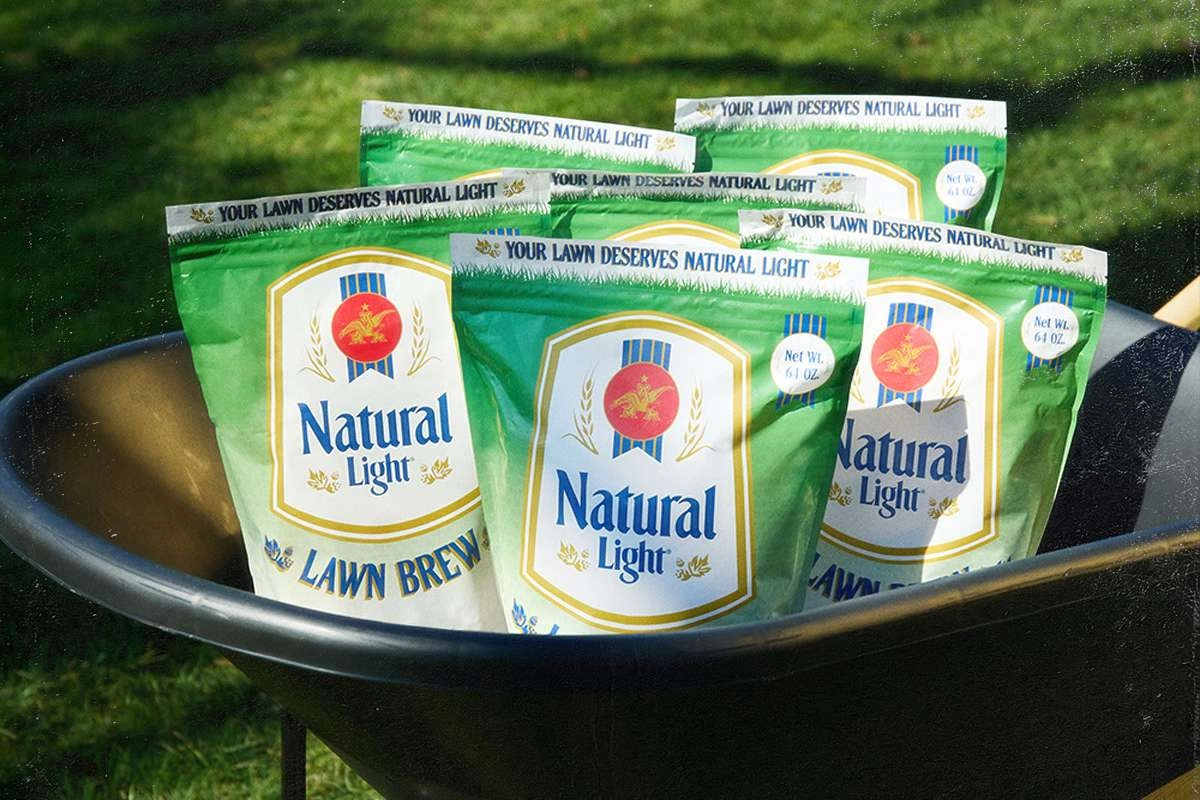
Natural Light has recently introduced a unique product called Lawn Brew, a fertilizer designed specifically for enhancing lawn health by utilizing spent beer grains. This distinct approach aims to make lawns greener and thicker while capitalizing on brewing byproducts.
The product mixes leftover materials from the brewing process with fresh fertilizer to improve soil structure and promote robust grass growth. According to the brand, Lawn Brew is rich in nutrients and fiber which can significantly boost lawn health.
Research supports these claims; a 2022 study found that using brewers’ spent grain can increase soil organic content and nitrogen levels, enhancing the overall soil quality. Although previous studies mainly focused on vegetable crops, like eggplants, the potential benefits for lawns are promising.
Natural Light’s marketing head, Krystyn Stowe, expressed delight in merging the worlds of beer and lawn care, stating that it reflects the interests of their consumers who enjoy beer and take pride in their yards. This creative solution not only helps lawns thrive but also promotes sustainability by transforming brewing waste into a beneficial resource.
For those interested in Lawn Brew, it’s available for purchase for $14.99 for a 64-ounce bag from ShopBeerGear.com, but buyers must be 21 or older to make a purchase. With this new fertilizer, homeowners can enhance their lawn’s appeal just in time for summer gatherings while enjoying their favorite brew.
For more details, visit Food & Wine.
The Rise of the New Favorite: Beer Drinkers Embrace This Emerging Style
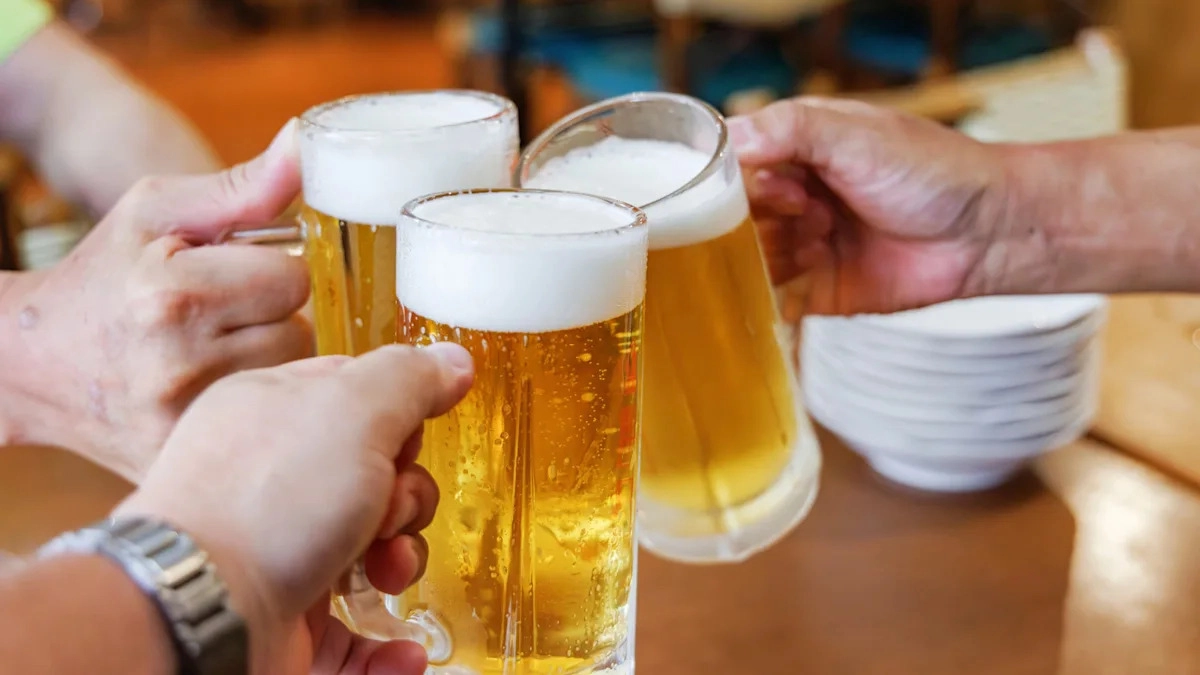
In an age characterized by diverse beverage options, the beer market is witnessing the emergence of a new style tailored for moderation: mid-strength beer. This shift comes in response to a noticeable decline in alcohol consumption among younger generations, with increasing reports highlighting that Gen Z is less inclined to drink compared to older demographics. Interestingly, it’s older adults who are now consuming more alcohol, which has prompted breweries to rethink their offerings.
Mid-strength beer, which typically contains an alcohol by volume (ABV) of 2.5% to 3.5%, strikes a balance between traditional beer and non-alcoholic options. While ordinary beers average around 5% ABV, mid-strength beers provide a gentler alternative that allows for casual consumption without the risk of overindulgence. This approach appeals to over 60% of Americans who still enjoy drinking but prefer doing so in moderation.
Historically, mid-strength beers were not a new concept; similar styles have been commonplace in the UK and Australia for years. These beers were originally created for hydration before safe drinking water was readily available, providing a means to consume alcohol without becoming incapacitated. Although past attempts to introduce mid-strength beer in the U.S. were met with challenges, contemporary brands are now crafting these brews intentionally, rather than merely diluting existing options.
Breweries like Saranac have begun to include mid-strength beers in their lineups, while newer brands like Small Beer specialize in products with less than 3% ABV. Larger breweries are catching on, with Miller recently launching its "Extra-Light" beer at 2.8% ABV. As non-alcoholic beverages gain traction in the market, it’s clear that mid-strength beers are well-poised for significant growth in the near future.
For those interested in the evolving landscape of beverages, this trend signifies a broader shift towards a mindful drinking culture, where enjoyment of flavors and social experiences take precedence over heavy consumption.
32+ Exciting Beer, Wine, and Spirit Events in the Bay Area to Welcome Spring

Spring has officially arrived, and there’s no better way to celebrate the season than by indulging in the vibrant array of beer, wine, and spirit-related events taking place across the Bay Area. Here’s a roundup of exciting upcoming events:
Newfound Wine Dinner
When: March 24, 6:30-9 p.m.
Where: The Village Bakery, Woodside
Join a gathering to savor terroir-driven wines complemented by a specially curated menu from Newfound Wines. Price: $196. More info
National Cocktail Day
When: March 24, 6-9 p.m.
Where: The Pour Up Wine Bar, Antioch
Celebrate with unique wine cocktails that feature seasonal twists. Price: $18. More info
Alameda Whiskey Stroll
When: March 27, 6-9 p.m.
Where: Downtown Alameda
Enjoy whiskey samples, small bites, and a collectible tasting glass during this exciting stroll. Price: Starting at $55. More info
Mustard Celebration Finale
When: March 28, 10 a.m.-4 p.m.
Where: The Culinary Institute of America, Napa
Experience a diverse festival featuring over 15 restaurants and food vendors, tastings, and artistic showcases. Price: $76. More info
Spring Brews & Music Festival
When: March 28, Noon-6 p.m.
Where: Todos Santos Plaza, Concord
Enjoy unlimited tastings from over 35 craft breweries along with live music and local vendors. Price: $65. More info
Additional Noteworthy Events:
- Wine 101: A fun primer on wine and candy pairings on March 28 at Sapphire Hill Winery. Price: $35. Details
- Grand Wine Tasting: Over 40 wines from acclaimed wineries on March 29 at Mountain Winery. Price: From $28. Details
- Paint & Sip: Craft a painting while enjoying brews at Two Pitchers Brewing on March 31. Price: $50. Details
This spring, immerse yourself in the rich flavors and spirited celebrations happening throughout the Bay Area. From wine dinners to beer fests, there’s something for everyone to enjoy!
Join Us for a Delightful Brewer’s Dinner at Beer Tree Brew’s Factory!

Factory by Beer Tree Brew in Johnson City is hosting a special Brewer’s Dinner on March 21st, which promises a delightful four-course meal paired with a curated selection of beers. The event will feature brewery supervisor Matt Pullen, who will guide guests through each beer and its corresponding dish, sharing insights about the brewing process and the inspiration behind each pairing.
Menu:
-
First Course: Shrimp Ceviche paired with Czech Pils
- The dish features denatured shrimp combined with tomato, onion, cilantro, avocado, and jalapeno, all served in a crisp lettuce cup.
-
Second Course: Strawberry Fields Salad paired with Honey Lavender Cider
- This salad consists of spring mix topped with fresh strawberries, goat cheese, and roasted edamame, finished with a berry vinaigrette dressing.
-
Third Course: Pork Chop paired with Citra Grove
- A panko-crusted pork chop is served alongside maple bacon Brussels sprouts and garlic roasted red skin potatoes.
-
Fourth Course: Dessert – Raspberry Death by Mocha Cake paired with Finding Bigfoot.
Doors will open at 5:30 PM, with the first course served at 6 PM. Tickets for the event are priced at $60 per person and can be purchased online. For further details, you can check the Brewer’s Dinner event page.
Madison Beer’s Daring Crop Top: A Fashion Statement Amid Exciting Tour News!
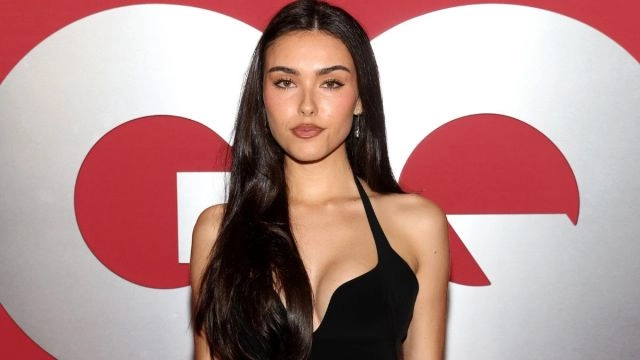
Madison Beer recently sent her fans into a frenzy by announcing her upcoming tour through an Instagram post. Following this announcement, she shared stunning photos of herself in a casual navy blue crop top paired with a polka-dotted bikini bottom, which quickly captured the attention of her followers.
In the mirror selfies, Madison looked striking, showcasing her stylish outfit complemented by light makeup and accessorized with rings and bracelets. Fans flooded her comments with compliments, referring to her as “SO GORGEOUS,” “stunning angel,” and “iconic,” highlighting her ability to shine in any look.
For more details, check out the original post here: Madison Beer’s Crop Top Look Gets a Daring Twist Amid Tour News.
Connecticut Magazine’s Best Restaurants for Beer Selection in 2026
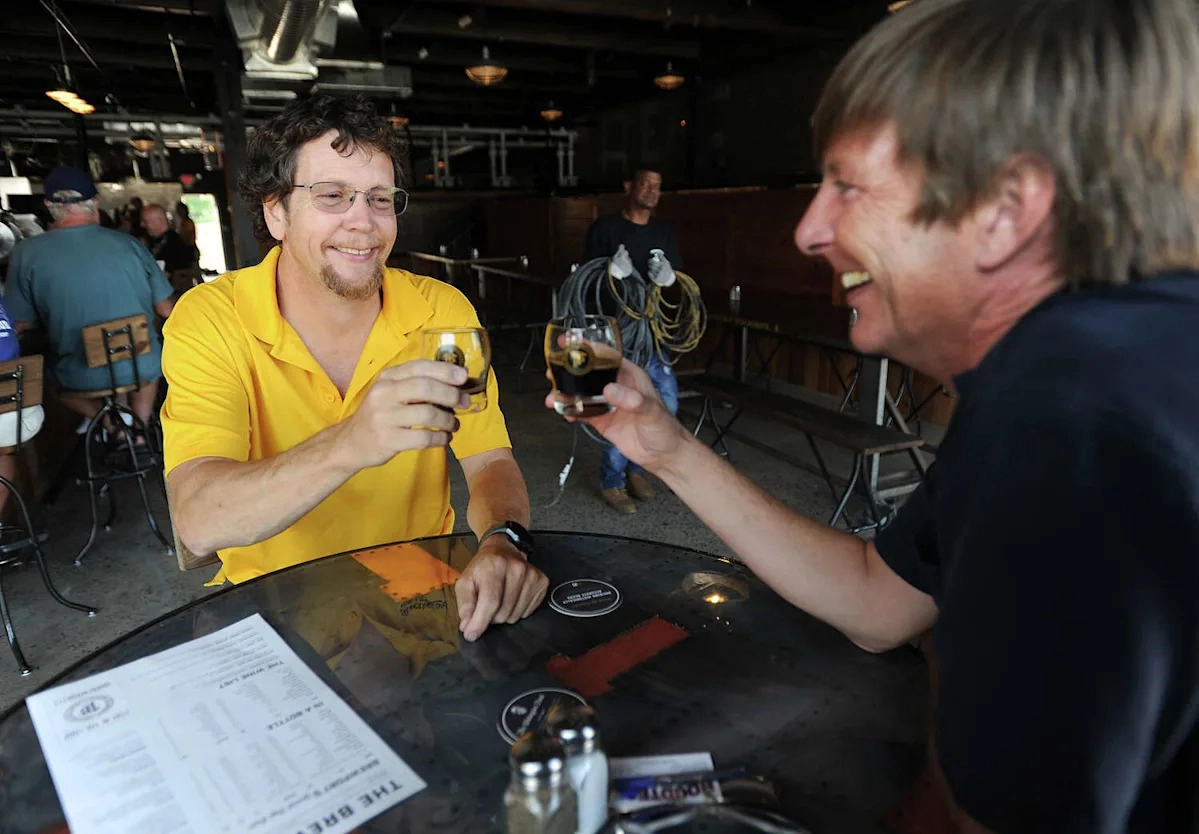
Once again, Connecticut Magazine has compiled its Top Restaurants for 2026, with updated rankings that celebrate the best dining experiences in the state. This year, a panel of food experts reviewed a variety of categories, providing insights into not just the top cuisine but also standout selections for desserts, romantic ambience, and particularly beer selections.
Top Restaurants for Beer Selection
-
Blind Rhino
- Address: 15 N. Main St., Norwalk
- Phone: 203-956-7243
-
The Ginger Man
- Address: 64 Greenwich Ave., Greenwich
- Phone: 203-861-6400
-
Brewport Brewing Co.
- Address: 225 Frontage Road, Bridgeport
- Phone: 203-612-4438
-
Dockside Brewery
- Address: 40 Bridgeport Ave., Milford
- Phone: 203-693-3900
-
World of Beer
- Address: 73 Isham Road #B-30, West Hartford
- Phone: 860-904-2124
-
Eli Cannon’s Taproom
- Address: 695 Main St., Middletown
- Phone: 860-347-3547
-
Willimantic Brewing Company
- Address: 967 Main St., Willimantic
- Phone: 860-423-6777
In addition to the beer selections, Connecticut Magazine also highlighted the 27 Top New Restaurants in Connecticut, offering food enthusiasts plenty of options to explore.
For more details, check out the full list of top restaurants and their unique offerings in the Top Restaurants for 2026 at Connecticut Magazine.
Get Ready for Flavor: The Chicken and Beer Festival Returns to Downtown Indianapolis for Its 6th Year – Tickets Available Now!

The Chicken and Beer Festival is making its return to downtown Indianapolis for the sixth consecutive year, set to take place on Saturday, August 1, from 12 p.m. to 6 p.m. at University Park, located at 325 North Meridian Street.
Founded in 2021 by EatHere CEO Bradley Houser, the festival has grown significantly, attracting thousands of attendees each year while maintaining its commitment to supporting local food and beverage entrepreneurs. Event organizers confirmed that 100% of the revenue generated goes directly to the participating businesses.
Ticket Information
The festival has introduced changes to the ticketing structure. Instead of traditional VIP and General Admission tiers, attendees can choose between free entry tickets and tasting tickets. The free entry ticket allows access to the festival grounds but doesn’t include tastings; food and drinks can be purchased directly from the vendors.
For those interested in tastings, tickets are available which include five food samples and four drink samples during a designated tasting window from 12 p.m. to 3 p.m. Following this period, vendors will continue to sell food and drinks directly to attendees.
"This shift reflects the festival’s continued focus on affordability and access—removing barriers for guests while still delivering a high-quality tasting experience," a festival spokesperson stated in a news release. Unlike many events that charge separately for entry and food, the Chicken and Beer Festival aims to create an inclusive environment for all visitors.
Free and tasting tickets can be obtained online, with tasting tickets priced at $40, although early bird tickets are currently available for $25.
What to Expect
Guests can anticipate a diverse lineup of offerings from more than 30 local chefs. The list of participating vendors will be released closer to the event date. Additionally, the popular Hot Wing Challenge will return this year, complemented by live music and entertainment throughout the day.
For those looking to join the festivities, tickets and additional information can be found on the Chicken and Beer Festival website.