Kavita Channe, the founder of Sip Channé, will be presenting elevated wine pairings.

Sip Channé: A Transformative Journey into the World of Rosé
In a sea of pink wines, one woman dared to be different. Kavita Channe, the founder of Sip Channé, wasn’t initially drawn to the trend of rosé that seemed to be taking over the United States. But everything changed when she embarked on a life-changing trip to Provence in 2016.
It was in the heart of Provence, amidst the enchanting lavender fields of Gordes and the breathtaking coastal landscapes of the French Riviera, that Kavita discovered the true beauty of rosé. She tasted what she describes as “some of the most exquisite wines of her life” and instantly fell in love with their charm and elegance.
However, upon returning to the states, Kavita was disappointed by the lackluster selection of rosés available. She longed for the essence of that transformative experience she had in Provence but couldn’t find it anywhere. And so, she made a decision – she would create her own exceptional wine under her own label, Sip Channé.
With a burning passion for rosé, Kavita embarked on a second journey to Provence, this time with a different purpose. She met with over 100 winemakers, seeking out the best of the best. The result? Sip Channé – a truly unique and captivating rosé.
The signature Channé Rosé is a blend of classic French grapes, including Grenache, Cinsault, and Mourvèdre. Kavita carefully selected these varietals to create a dry and elegant rosé, with subtle hints of fruit that can be enjoyed sip after sip. The vines are aged between 40 and 60 years old, grown across clay limestone soil, which adds depth and flavor to the wine. And the best part? There are no added sugar, no additives, and low sulfites, making it a pure and authentic experience.
But Sip Channé is not just about the wine itself. It’s about supporting talented family farmers who have dedicated their lives to making exceptional wines. By choosing Sip Channé, you are not only indulging in a delightful rosé but also supporting boutique vineyards in France. It’s a win-win situation.
We had the opportunity to chat with Kavita about what sets her rosé apart from the competition and what she enjoys pairing with her wines. Her enthusiasm and passion were contagious. She shared that she finds joy in curating a diverse culinary experience with rosé, pairing it with a variety of appetizers and entrees. From grilled octopus to fattoush salad to beautifully grilled lamb chops, the possibilities are endless.
And it doesn’t stop there. Kavita also spoke about the newly launched Channé Blanc, a wine that combines the best of White Bordeaux and Chablis. Grown on the hills just outside of St. Tropez on clay limestone soil, this blend boasts fresh aromas of floral, quince, lemon, apricot, and acacia flowers. It’s a smooth, dry, and luminous experience that pairs perfectly with seafood, fish, and sushi. But surprisingly, it doesn’t stop there. Channé Blanc has a versatility that goes beyond the sea, making it a wonderful addition to any meal.
Sip Channé is more than just a wine label. It’s a celebration of the beauty and artistry of rosé. It’s a tribute to the extraordinary wines of Provence and the passionate winemakers who bring them to life. And most importantly, it’s a chance for wine lovers around the world to experience the magic that inspired Kavita Channe and drove her to create something truly special.
So, the next time you’re in search of a remarkable rosé, turn to Sip Channé. Indulge in the charm and elegance of their signature Channé Rosé or explore the fresh and vibrant flavors of Channé Blanc. And remember, with every sip, you’re supporting a world of talent and passion, making your wine experience all the more meaningful.
Enhancing Your Dining Experience: Fun and Delicious Wine Pairings
When it comes to enjoying a great meal, the perfect wine pairing can take your dining experience to the next level. Whether you prefer meat options like veal, chicken, or pork, or if you’re more inclined towards seafood or vegetarian dishes, finding the right wine to complement your meal is all about balance and enhancing the flavors.
Now, let’s dive into the world of wine pairings. If you’re a fan of oysters and caviar, like I am, get ready for a treat. Pairing them with Channé Blanc is an absolute game-changer. The crisp and refreshing flavors of the wine perfectly complement the delicate taste of the seafood, creating a harmonious combination that will leave your taste buds dancing.
If you’re in the mood for an Asian-style menu, look no further. Imagine indulging in hamachi, tuna tartare, shishito peppers, and edamame, all alongside a beautiful pineapple chicken fried rice. The vibrant flavors of this menu find their perfect match in the versatile Channé Blanc, making it an excellent choice to elevate your dining experience.
For those who appreciate the simplicity and elegance of Mediterranean cuisine, Channé Blanc truly shines. Picture this: a succulent roasted branzino with caper butter. Its subtle flavors and delicate texture find their soulmate in the bright and citrusy notes of Channé Blanc. And if you’re in the mood for something heartier, a roasted chicken surrounded by a medley of perfectly roasted vegetables creates an enchanting synergy with the wine, resulting in an utterly delightful combination.
Now, let’s switch gears to rosé and whites. When it comes to Channé Rosé, I’ve found that Italian cuisine is a match made in heaven. From small appetizers to pastas and pizzas, the variety of flavors in Italian dishes beautifully complement the soft and fruity notes of our rosé. And don’t forget the delightful desserts that can be the perfect ending to your Italian feast.
As for Channé Blanc, its true essence shines when paired with Mediterranean dishes. The bright citrusy notes truly accentuate the flavors of these dishes, creating an extraordinary culinary experience. Just thinking about a roasted chicken with a rainbow of grilled vegetables on the side makes my mouth water. The combination of flavors and textures is simply irresistible.
At the end of the day, wine and food are meant to be enjoyed and explored. It’s all about having fun and finding different combinations that suit your palate. So grab a bottle of Channé wine, gather your loved ones, and embark on a delicious adventure of flavors and sensations. Eat, drink, and savor the joy of life!
Tapping the oldest whiskey to ever be included in the blend, the Four Roses Small Batch Limited Edition showcases its uniqueness.

Celebrating 135 Years: Four Roses’ Small Batch Limited Edition 2023
For the past 16 years, Four Roses has been known for its annual Small Batch Limited Edition releases. In celebration of its 135th anniversary, the distillery is once again launching its highly anticipated 2023 blend. This year’s edition features a particularly impressive addition, making it all the more exciting for whiskey enthusiasts.
Four Roses is renowned for its unique approach to bourbon production. With 10 different recipes, crafted from two mash bills and five yeast strains, each individual batch is labeled with a distinctive four-letter code, such as OESK. While the core Four Roses bourbon is a combination of all these recipes, the annual small batch release offers a continually evolving amalgamation.
The Four Roses 135th Anniversary 2023 Small Batch Limited Edition comes in at a robust 108 proof (54 percent ABV) and is comprised of four hand-selected bourbons by master distiller Brent Elliott. The blend consists of 40 percent 14-year-old OESK, 35 percent 12-year-old OESV, 20 percent 16-year-old OESV, and a mere five percent of the unique 25-year-old OBSV recipe – the oldest whiskey ever included in this special blend. Each bottle of the 135th Anniversary Limited Edition Small Batch is individually hand-numbered, making it a true collector’s item. With only 15,060 bottles released, it’s a highly coveted addition to any whiskey lover’s collection.
Reflecting on the creation of this blend, Elliott expressed his excitement about the celebration of Four Roses’ storied bourbon tradition. “In crafting this blend, I wanted to create an elegant bourbon worthy of the brand’s heritage,” he said. “Each of the 12, 14, and 16-year-old batches possesses unique characteristics that complement each other perfectly.” He went on to explain how he meticulously selected additional batches of varying ages and recipes to add an extra layer of complexity. Ultimately, Elliott decided on the inclusion of the 25-year-old OBSV, as it melded seamlessly with the other batches, offering an added depth and complexity to the final blend.
When it comes to tasting notes, the Four Roses Small Batch Limited Edition 2023 offers a delightful sensory experience. On the nose, delicate aromas of allspice, vanilla, and elegant oak intertwine with hints of cinnamon and clove. The palate delivers an array of flavors, with rich layers of honey and rye spice, balanced by notes of berries and pear, leading to a long, smooth finish.
This year’s release not only marks a celebration of Four Roses’ rich history but also showcases the brand’s refreshed packaging. The 2023 Limited Edition Small Batch is the first to feature updated details, including a new logo and an engraved rose cluster on the bottle’s cork.
For whiskey aficionados and collectors alike, the Four Roses 135th Anniversary 2023 Small Batch Limited Edition is undoubtedly an essential addition to their shelves. With its meticulously crafted blend and limited availability, this release exemplifies the excellence and legacy that Four Roses has cultivated over the past 135 years.
To get your hands on a bottle of this exclusive release, visit the Four Roses website at fourroses.com. Priced at $200, it’s an investment in both history and exceptional whiskey. Don’t miss out on the opportunity to experience this exquisite Small Batch Limited Edition firsthand.
Here’s the reason why your favorite beer’s price and taste could soon be affected.

The Impact of Climate Change on Craft Beer
Climate change has been a pressing concern for our planet for many years, with its effects becoming increasingly apparent over time. From more intense storms to extreme weather conditions, no one is immune to the consequences of rising global temperatures. And now, it seems that even beer lovers are feeling the impact, as climate change threatens the main ingredient in craft beer: hops.
A recent study published in the renowned science journal, Nature, has shed light on the potential effects of climate change on the availability and quality of hops. These essential ingredients are predominantly grown in specific regions with suitable environmental conditions. However, as our planet continues to warm, both the quantity and quality of hops are being significantly affected, leading to potential changes in price and taste for craft beer enthusiasts.
According to the study, researchers predict a decline of 4 to 18 percent in hops yields by 2050, accompanied by a 20 to 30-percent decline in “alpha content.” Alpha content refers to the measurement of alpha acids in hops, which determines the bitterness of the beer. With the rise in popularity of craft beer and the preference for high-quality hops, low-alpha beers have already seen a decline in recent years.
The impact can be seen in the high-quality aroma hops harvested in Germany, Czechia, and Slovenia. Researchers discovered a significant decrease in European hop production from 1971 to 1994 and again from 1995 to 2018. This decline was accompanied by a decrease in alpha content, and the growing season for hops started 13 days earlier, negatively impacting their quality. With projections of increased droughts in southern and central Europe, there are concerns that the area suitable for growing aroma hops may need to expand by 20 percent to compensate for the decrease in alpha content.
As a result, beer lovers may soon experience an increase in prices and a change in the flavors they have grown to love. Until then, it is essential to savor and enjoy your favorite craft beers while they still maintain their familiar aroma and taste. However, it is important to mentally prepare for the potential changes that lie ahead as our planet continues to warm.
In conclusion, climate change poses a significant threat to the craft beer industry, as the availability and quality of hops are being compromised. As responsible consumers, it is crucial to be aware of the environmental factors influencing the beers we enjoy and support efforts to combat climate change to preserve this cherished beverage for future generations.
Maximize Your Wine Shop Experience With Expert Tips
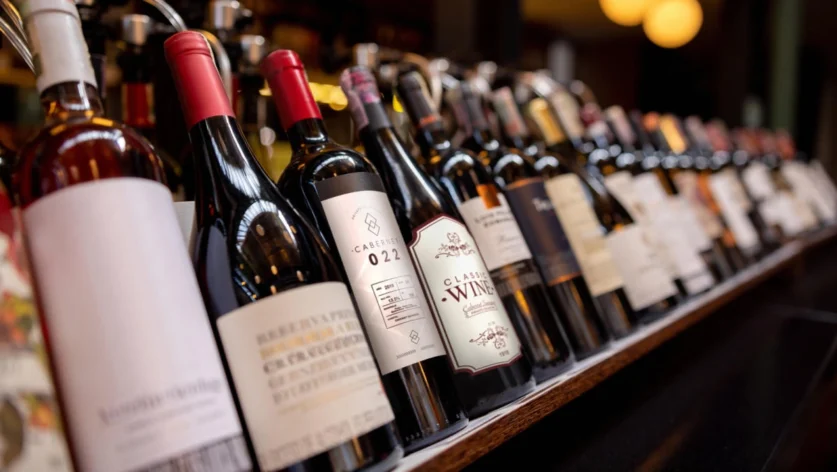
Do you find visiting a wine shop intimidating? Are you new to the wine world or feel like you lack expertise? Well, fear not! We have some expert advice to help you navigate your way through a wine shop with confidence.
We spoke to Andrea Card, a Senior Winemaker at Francis Ford Coppola Winery, who is passionate about wine pairings. In fact, their dedication to wine pairings is so strong that they recently opened a pizza and wine hotline to help you find the perfect combination.
According to Card, the key to a successful wine shop visit is to make use of the wine experts in the store. Don’t be afraid to communicate clearly and openly with them, as they are there to help you make the best decision. If you’re looking for a wine to pair with food, it’s important to come prepared. Card advises, “You should always know what cuisine you’re preparing or having and what the primary flavor profiles of the dish are.” Having a price point in mind will also help narrow down your options.
But what if you’re new to wine and don’t know much about it? Don’t worry, you probably have a general idea of what you like. Do you prefer sweet or dry? White or red? Let the wine pros know your preferences, as this information will come in handy. Card explains, “They’ll want to steer you in the direction of a bottle you’ll probably enjoy once they have a better idea of your personal tastes.” And if you’re feeling adventurous, don’t hesitate to ask them for unexpected recommendations. Card assures us that they will be happy to suggest something new and exciting.
So, next time you visit a wine shop, remember to approach it with confidence. Seek out the expertise of the wine experts, communicate your preferences, and be open to trying something different. The world of wine is vast and exciting, and with a little guidance, you’ll be able to find the perfect bottle for any occasion.
To read the original article by Tasting Table, click here: [link to original article]
The documentary film “Somm: Cup of Salvation” recounts the tale of the initial Iranian wine after 43 years.

Moläna Wine, the first Iranian wine produced in 43 years, has become the talk of the town since the release of the documentary movie Somm: Cup of Salvation, which revolves around its creation. The story told in the film is far from the typical winemaking tale. Rather, it is a harrowing and perilous journey of winemaker Vahe Keushguerian, who defies all odds in his quest to revive the Iranian wine industry after it was toppled during the Islamic Revolution in 1979.
In a world where winemaking is often associated with luxury and enjoyment, Keushguerian’s story stands out as one of immense bravery and determination. The movie follows his efforts, along with his daughter Aimee, to resurrect and modernize the wine industry in their war-torn country. Their mission to introduce Armenian wine and the unique varietal of Areni to the world is no small feat. It is a seemingly impossible task that only a few would take on.
Director Jason Wise, who was captivated by Keushguerian’s story, describes it as the most important narrative in the wine world today. While his previous films educated viewers about the significance of wine on a global scale, this film delves into the positive impact that a beautiful bottle of wine can have, even in a region marred by turmoil.
The central concept of the film revolves around the Persian region of the Middle East, which is often overlooked due to religious and political issues. Keushguerian’s passion lies in bringing attention to this forgotten region, which he believes is the birthplace of winemaking. He meticulously maps out the grape-growing regions, disregarding manmade borders, and envisions a future where the riches of the area can be shared with the world.
To achieve his dream, Keushguerian embarks on a dangerous undercover mission in Iran. Under the guise of buying Rasheh grapes for research purposes, his true aim is to create the first modern Iranian wine. He seeks out the remnants of old vineyards, hoping to find viable winemaking grapes hidden among the ruins. It is a treacherous journey, with Keushguerian constantly looking over his shoulder. However, his efforts pay off as he manages to ship a truckload of these grapes back to his winery.
The resulting Moläna Wine is nothing short of extraordinary. Master Sommelier Dustin Wilson hails it as “the most dangerous wine ever made.” With only 15,000 bottles produced, it is a limited edition that is unlikely to be replicated anytime soon. Named after the renowned Islamic scholar Rumi, the wine serves as a symbol of hope and change, reminding us that even in the face of adversity, new beginnings are possible.
In the world of wine, where surprises are rare, Moläna Wine has caused quite a stir. Director Wise and winemaker Keushguerian hope that this ambitious project will shed light on a region that is often associated with conflict and instability. It is their shared vision that through this wine, the Persian region can regain its rightful place as a major player in the winemaking industry.
In conclusion, the story of Moläna Wine and its creation is a testament to the indomitable spirit of winemaker Vahe Keushguerian. Against all odds, he has made history by producing the first Iranian wine in over four decades. The film Somm: Cup of Salvation brings his awe-inspiring journey to life, highlighting the importance of perseverance and the power of wine to bridge cultural divides. This is a story that deserves to be told and celebrated, as it reminds us of the endless possibilities that lie within a simple bottle of wine.
Title: Uncorking New Possibilities: The Wine That Will Revolutionize the Industry
Introduction:
Imagine a world where a single sip of wine has the power to transcend conventional boundaries and ignite discussions far beyond the realms of sommeliers and oenophiles. Today, we embark on a journey to witness the birth of a wine that promises to redefine not only the taste buds but also the conversations surrounding it. In the words of the visionary winemaker, Keushuerian, “I firmly believe this wine will create an unparalleled impact, an impact that extends beyond the realms of enology.”
Unveiling the Innovative Wine:
The anticipation has reached its climax as the wine industry braces itself for the unveiling of what promises to be a groundbreaking creation. In the hands of Keushuerian, this handcrafted elixir is poised to leave an indelible mark in the annals of viticulture. This visionary winemaker asserts that the impact of this wine, destined to dominate headlines, will extend far beyond its mere taste profile.
Pioneering Possibilities beyond the Norms:
Beyond the invisible borders of the wine industry, this extraordinary wine aims to provoke discussions about the endless possibilities it signifies. Keushuerian is synonymous with defying conventions, and this ambitious project encapsulates his determination to push the boundaries of the industry. The wine calls for a celebration of unyielding human spirit, innovation, and limitless exploration.
The Ripple Effect:
Great wines have always had the power to garnish attention and spark conversations. However, this transcendent creation is set to revolutionize wine culture as we know it. Keushuerian firmly believes that the debut of this elixir will act as a catalyst that disrupts the enology landscape. From wine enthusiasts to scholars, individuals from all walks of life will partake in the discourse it inspires.
Unlocking the Dialogue:
As the public immerses themselves in the experience this wine offers, discussions will go beyond the merely gustatory aspects of the drink. The exploration of possibilities arising from this wine will ripple into broader conversations about innovation, creativity, and the pursuit of excellence. The intriguing nature of this elixir will open doors to new perceptions, challenging traditional notions of wine’s purpose and potential.
Conclusion:
The stage is set, the glasses are raised, and the revolutionary wine created by Keushuerian stands poised to embrace its destiny. With every sip, this ambrosial creation promises to unlock conversations beyond oenology’s confined echo chambers. As wine enthusiasts and visionaries alike gather to witness its debut, we cannot help but join Keushuerian in his conviction that this enigmatic elixir will leave an indelible mark on the world of wine, transcending taste and paradigm, and reminding us all of the boundless potential that lies within each glass.
Swiss wine is rarely found in the US, and here’s why.

Unlocking the Hidden Gems: The Enigmatic World of Swiss Wine
Are you ready to embark on a journey to discover some of the best-kept secrets in the world of wine? If so, then Swiss wine is your ticket to a truly remarkable adventure. While Switzerland may not be your first thought when it comes to exceptional vintages, this hidden gem is quietly making waves in the wine industry.
Picture this: the enchanting terraced vineyards of Lavaux, overlooking the mesmerizing Lake Geneva, have been recognized as a UNESCO World Heritage Site. This picturesque setting houses some of the most exquisite wines the world has to offer. However, there’s a catch – Swiss wines are rarely shared beyond the borders of Switzerland.
But why the secrecy? You see, Switzerland only produces about 1 million hectoliters of wine each year, which is merely 5% of California’s annual production. To put it into perspective, that amounts to approximately 1.08 million glasses of wine in a country with a population of around 6 million. The scarcity of Swiss wine adds to its allure, but it also means that only a lucky few get to savor its exceptional flavors.
Despite the limited production, Swiss wines have been steadily gaining recognition on the world stage. In 2023, Robert Parker Wine Advocate, a globally renowned authority on wines, awarded Grain by Grain Petite Arvine 2020 a perfect score of 100 points. This sweet white wine, crafted by Domaine Marie-Thérèse Chappaz in Switzerland’s Valais region, was among the 27 Swiss wines that earned Parker’s prestigious “Extraordinary” status. This honor is reserved for vintages that surpass 95 points on Parker’s scale, marking them as truly exceptional.
So, where does that leave wine enthusiasts outside of Switzerland who long to savor these extraordinary wines? Historically, Swiss winemakers faced a frustrating predicament. Prior to the 1990s, they operated with limited oversight, resulting in a surplus of mediocre wines. In fact, some winemakers were forced to dump unsold bottles into empty swimming pools. The turning point came when Switzerland implemented AOC regulations, bringing structure to wine production. These regulations defined territories, instituted training requirements, and established production standards.
As a result, Swiss wines began to garner attention, sparking the rise of wine tourism. This budding industry offers guided tours, scenic hikes and cycling routes through vineyards, and even tasting rooms located in winemakers’ private homes. Lavaux, a UNESCO World Heritage Site, introduced a wine train that covers the picturesque route from Vevey to Chexbres, immersing visitors in the heart of the terraced vineyards.
Recently, there has been a new development in the Swiss wine scene. Importers are starting to introduce Swiss wines to their portfolios, recognizing the untapped potential of this overlooked wine region. Though limited in availability, the importers have faith in the U.S. market, assuring wine enthusiasts that these exclusive Swiss wines are worth the investment.
So, what are you waiting for? It’s time to unlock the secrets of Swiss wine and indulge in the flavors that have captivated the palates of the lucky few. As Victoria James, corporate beverage director for Gracious Hospitality, aptly puts it, “If you’re a sommelier and you’re not paying attention to Switzerland, then what the hell are you doing?” Don’t miss out on a true wine lover’s delight – venture into the enigmatic world of Swiss wine and elevate your wine experience to extraordinary heights.
Read the original article on Tasting Table.
A couple is getting ready to open a rum, cigar lounge, and clothing store in downtown Aiken, eager to rhumba.

Title: A Dynamic Duo’s Journey to Success in Downtown Aiken
Have you ever experienced the excitement of starting fresh in a new city? For Jessica and Elier Alberto, their move from Miami to Aiken late last year was not just about finding a new home; it was about embracing a new beginning full of opportunities. Their enthusiasm for their new hometown is so contagious that they are now preparing to launch not just one, but two businesses in downtown Aiken.
The first of their ventures, Tailored Gents Boutique, is set to open its doors later this month at 345 Hayne Ave. S.W. Known for its impeccable customer service and quality merchandise, this unique boutique will offer both men and women’s apparel and accessories. The idea to include women’s clothing came as a response to the overwhelming inquiries they received from customers. At Tailored Gents, you can expect to find a carefully curated collection of leisure and golf attire that strikes a perfect balance between comfort and style. From designer sunglasses to perfumes and shoes, this boutique will cater to all your fashion needs.
Their second business, Rhumba Rum & Cigar Lounge, is expected to make its grand debut in December at 321 Richland Ave. West. Keeping in line with Aiken’s charm, this lounge will provide a welcoming and sophisticated ambiance for cigar enthusiasts. To clarify any concerns, Jessica emphasized that smoking will only be permitted outdoors, ensuring a pleasant environment for everyone. Rhumba will house an indoor humidor, allowing guests to purchase the finest cigars while enjoying the atmosphere. For those seeking an elevated experience, memberships will be available, offering access to temperature-controlled lockers for cigar storage. Additionally, Rhumba will introduce a “mixology bar” where patrons can savor handcrafted cocktails and indulge in shareable Latin bites like empanadas and croquetas.
It is evident that Jessica and Elier Alberto have fallen in love with Aiken wholeheartedly. The couple’s desire to contribute to the city’s growth and be a part of its future speaks volumes about their commitment. In their quest to become successful entrepreneurs, they have also taken the opportunity to breathe new life into Aiken’s downtown area. By repurposing former establishments like the Artisan Market and the Antique Emporium, Jessica and Elier are honoring the city’s history while weaving their own story into its fabric.
As the excitement builds up, Aiken residents and visitors alike can mark their calendars and eagerly await the opening of these two hotspots. While Tailored Gents Boutique promises to redefine fashion in Aiken, Rhumba Rum & Cigar Lounge will undoubtedly become a go-to destination for those seeking a refined and delightful experience.
If you want to stay updated with the latest news about Tailored Gents Boutique and Rhumba Rum & Cigar Lounge or have any inquiries, you can contact them at 803-226-0717 and 803-226-0014, respectively.
Aiken has truly found a gem in Jessica and Elier Alberto. Their passion, determination, and love for this city are sure to leave an indelible mark on its landscape. So, let’s come together and celebrate the arrival of these exciting new businesses, for they signify not just the Albertos’ success, but also the growth and vibrancy of Aiken itself.
A closer examination of game day crime at USC’s Williams-Brice Stadium reveals incidents of smuggling beer and resisting arrest.

Football Game Day: A Roller Coaster of Emotions at The University of South Carolina
Football game day at the University of South Carolina is a truly unique experience. It is a day filled with anticipation, excitement, camaraderie, and unfortunately, a touch of chaos. While the majority of fans come to games at Williams-Brice Stadium to cheer on the Gamecocks in a family-friendly environment, there is a small minority who fail to exhibit acceptable behavior. The university’s law enforcement officers and Student Affairs staff work diligently to mitigate any instances of bad behavior, but sometimes, their efforts are put to the test.
During a recent home game against Mississippi State University, over 78,000 fans packed the stadium. With such a large crowd, it is no surprise that a few incidents occurred. University police incident reports shed light on some of the more notable occurrences that day, involving an attempted beer smuggling and a hostile woman.
One incident involved a 21-year-old man who was arrested for trespassing after being caught hiding beer in his pants. Prohibited items like alcoholic beverages are often smuggled into the stadium, and an observant officer spotted the man with suspicious bulges in his pants. Upon searching him, they discovered four Coors Light beers. The man was promptly escorted from Williams-Brice Stadium for violating their policy. However, he made the ill-advised decision to re-enter the venue, leading to his arrest, search, and subsequent transportation to the local detention center.
Another incident involved a woman who was arrested for disorderly conduct, trespassing, and resisting arrest. The chaos began when a man reported that she intentionally poured beer on him, igniting anger and frustration. The woman sought refuge in the women’s restroom, specifically the 800 section of the stadium. Officers repeatedly requested her to open the door, but she refused. Ultimately, an officer had to resort to an “arm bar takedown” technique to subdue her and remove her from the stall. Even then, the woman continued to resist, attempting to kick and bite officers. It took multiple officers to finally gain control of her and transport her to the nearest hospital for evaluation before eventually being taken into custody.
Despite these incidents, it is essential to recognize that they are isolated incidents in a sea of positive experiences. University spokesperson Jeff Stensland emphasizes that the vast majority of fans attend games to have a good time and support the Gamecocks, creating an atmosphere that is family-friendly and enjoyable. To maintain safety, the university law enforcement and their partners have a significant presence both inside and outside the stadium. This presence aims to prevent misconduct, but it cannot completely eliminate it.
The University of South Carolina’s commitment to ensuring a safe environment for all fans is evident through their swift response to incidents like these. It is important for students to understand that their actions have consequences, and they risk losing their ticketing privileges for the year if they fail to adhere to guidelines.
As football game days continue at the University of South Carolina, it is crucial to remember that the actions of a few should not overshadow the enjoyment of the many. Let us cheer on the Gamecocks, embrace the excitement of the sport, and celebrate the unity that the game day experience brings.
Title: Keeping the Passion Alive: A Closer Look at Game Day Security
Introduction:
Game day at Williams-Brice Stadium, the home of the University of South Carolina’s football team, is an experience unlike any other. With nearly 80,000 passionate fans filling the stands, the atmosphere is electric, charged with the excitement and energy that only comes with college football. As with any large gathering, security is of utmost importance to ensure the safety and well-being of all attendees. Let’s delve into the recent incidents that occurred at the stadium on September 23rd and gain a deeper understanding of the measures taken to maintain a vibrant yet secure environment.
The Missing Woman and Quick Resolution:
During the game, a woman was reported missing, which triggered a prompt response from the USC police. A sweep of the stadium, documented in an incident report, yielded no findings. Worried for her safety, her information was entered into the National Crime Information Center. Thankfully, the missing person was located unharmed shortly after the report was filed, relieving the anxiety surrounding her disappearance. The swift resolution highlights the efficiency and dedication of law enforcement authorities and the effectiveness of coordinated efforts.
Unveiling the Assault Incident:
Another incident that occurred during the Mississippi State game was the report of a rape. However, details in the incident report were scarce, indicating an ongoing investigation by the USC police. It is crucial to respect the privacy and confidentiality of those involved while ensuring a thorough examination of the matter. USC police, in collaboration with other relevant authorities, are diligently working to bring justice to the victim and prevent future incidents of such nature.
The Importance of Communication and Collaboration:
To gain a comprehensive understanding of the overall security landscape at the stadium, it is important to note that the Columbia Police Department and the Richland County Sheriff’s Department confirmed no record of any other incidents on September 23rd. This reinforces the thoroughness of the security measures in place, as well as the effectiveness of law enforcement agencies working in tandem to maintain a safe environment.
Addressing Misbehavior and Ensuring Order:
With such a large crowd gathering for football games, it is not uncommon for occasional disruptive behavior to occur. During the home game against Furman University on September 9th, a 17-year-old was removed from the stadium for aggressive and intoxicated behavior. USC police were alerted by a student engaged in an argument with her boyfriend, the 17-year-old in question. The incident report revealed that the teenager’s level of intoxication was evident, and he exhibited uncooperative and belligerent behavior, resulting in his arrest for disorderly conduct. It is worth mentioning that the utmost care was taken to handle the situation appropriately, with a juvenile petition filed in family court.
Maintaining the Vibrant Atmosphere:
Despite these isolated incidents, it is vital to acknowledge that the vast majority of football games at Williams-Brice Stadium are characterized by spirited fans and a safe, inclusive environment. USC Assistant Vice President for Law Enforcement and Safety, Chris Stensland, emphasizes that the atmosphere is one that fans have come to love and expect. The priority of the officers working at these events is not to suppress the lively atmosphere but rather to identify individuals whose behavior poses a risk to themselves and others. This proactive approach ensures that the passion and excitement continue to thrive within the boundaries of safety and security.
In Conclusion:
Game day at Williams-Brice Stadium embodies the essence of college football, uniting fans in an electrifying experience. While incidents may occur, the swift and diligent responses from law enforcement authorities demonstrate their commitment to maintaining a secure environment. With continuous communication, collaboration amongst agencies, and proactive measures, the vast majority of attendees can immerse themselves in the lively atmosphere without worrying about their safety. Let us celebrate this vibrant tradition while ensuring its longevity through responsible behavior and collective efforts.
A week-by-week analysis of Rumble Inc’s (RUM) stock.

Rumble Inc (NASDAQ: RUM) has experienced significant fluctuations in its stock price in recent weeks. Over the past seven days, RUM stock has seen a decline of -1.17%, with even larger declines of -27.67% over the past month and -38.92% over the past quarter. These numbers indicate a high level of volatility in the market.
Analysts have provided varying opinions on the stock, with one analyst rating it as a “buy,” one as a “hold,” and none as “overweight” or “sell.” The average price suggested by analysts for RUM is $10.00, which is significantly higher than the current market price. This suggests that analysts believe there is potential for the stock to rebound in the future.
RUM has a 36-month beta value of 0.82, indicating that the stock is less volatile than the overall market. This may make it an attractive option for investors seeking stability in their portfolios.
One factor that may be contributing to the decline in RUM stock is the company’s focus on free speech. While this platform has gained attention for its commitment to allowing users to freely express their opinions, it has struggled to attract content creators who often turn to Rumble as a last resort or when they are well compensated. This lack of organic growth may be impacting the company’s financial performance.
Despite the recent decline in stock price, RUM is trading at a relatively low valuation compared to its projected sales growth for 2024. This may present an opportunity for investors who believe in the company’s long-term potential.
It’s worth noting that RUM has seen a significant loss of -62.58% over the past 52 weeks and a decline of -14.79% over the past year. These numbers indicate that the company has struggled to rebound from its low point.
In terms of profitability, Rumble Inc currently has a net margin of -28.96%. This indicates that the company is operating at a loss. The total capital return value is set at -11.21%, while the invested capital returns are at -3.72%. The equity return is currently at -20.88%, and the asset returns are at -18.44%.
Rumble Inc’s capital structure shows a debt-to-equity ratio of 0.42, indicating that the company has a moderate level of debt. The long-term debt to equity ratio is 0.25, suggesting that the company has a relatively low amount of long-term debt.
When considering the company’s liquidity, the ratio stands at 22.09, indicating that Rumble Inc has a relatively high level of liquidity. This may be reassuring for investors concerned about the company’s ability to meet its short-term obligations.
In conclusion, Rumble Inc has experienced a decline in its stock price in recent weeks, with mixed opinions among analysts. The company’s focus on free speech has not resulted in significant organic growth, and it is currently trading at a significant distance from its 50-day moving average and 52-week high. However, some analysts believe that the stock presents a buying opportunity, and it is trading at a relatively low valuation compared to projected sales growth. Investors should carefully consider these factors before making any investment decisions.
We inquired bartenders about the ideal rum for blending Daiquiris.

When you’re on vacation, it’s easy to indulge in a frozen, super sweet daiquiri. But let’s pause for a minute and appreciate the classic, simple daiquiri. We’re talking about the unfrozen kind, no strawberries or bananas involved. Just three ingredients: white rum (although some bartenders will get creative with dark or flavored rum), fresh lime juice, and simple syrup. Simple, yet delicious.
Now, imagine a scenario where Papa likes his daiquiri a little stronger. Who can blame him? The simplicity of this cocktail allows all the flavors to shine. You can taste the molasses, caramel, and vanilla sweetness from the rum, the refreshing citrus flavor from the lime juice, and the perfect touch of sweetness from the sugar. It’s no wonder why the daiquiri is one of the most popular cocktails of all time.
But here’s the thing, choosing the right rum is crucial for a great daiquiri. So, we asked some of our favorite bartenders to share their go-to rum for a classic daiquiri. These experts know their stuff, so listen up!
Federico Doldi, food & beverage director at Gansevoort Meatpacking in New York City, recommends the Bacardi Reserve Ocho Rye Cask Finish. This rum not only delivers the classic aged rum profile you want in a daiquiri but also brings some smokiness to the mix, making it perfect for cold winter daiquiris.
Petr Balcarovsky, lead bartender of The Apparatus Room in Detroit, suggests the Detroit City Summer Rum. This rum adds a crisp and refreshing twist to the daiquiri, thanks to its beautiful production and composition. With notes of Jamaican funk, ripe banana, pineapple, and clove, this rum takes your daiquiri to the next level.
Benjamin Brinton, general manager at Merriman’s Waimea in Hawaii, loves using Appleton Estate Jamaican White Rum in his daiquiris. Jamaican rums always pack a ton of character and flavor, and this one is no exception. It’s light-bodied with hints of vanilla, toffee, tropical fruits, and gentle spices.
Tsuru Goto, food & beverage manager at Society Cafe in New York City, prefers using Santa Teresa 1796 for a more sophisticated and nuanced daiquiri. This complex aged rum brings fruity, sweet notes of chocolate fudge, caramelized bananas, candied nuts, and butterscotch to the cocktail.
Amber Milner, director of beverage at Diplomat Beach Resort in Hollywood, Florida, opts for an aged rum like Ron Zacapa 23. This solera-aged rum, aged between six and twenty-three years, offers complex flavors of dried fruit and baking spice, which pairs beautifully with the simple syrup and lime in a classic daiquiri.
Aleksander Simic, bartender at Hutong in Miami, believes that a great rum for a classic daiquiri is often a matter of personal taste. He suggests trying different options and finding the one that suits your palate. Experimentation is key!
So, there you have it. The experts have spoken. Whether you go for the Bacardi Reserve Ocho Rye Cask Finish, Detroit City Summer Rum, Appleton Estate Jamaican White Rum, Santa Teresa 1796, Ron Zacapa 23, or any other rum that tickles your fancy, just remember to savor the simplicity and elegance of a classic daiquiri. Cheers!
The Daiquiri, a classic and refreshing cocktail loved by many. It’s a simple drink, consisting of just three ingredients – rum, lime juice, and simple syrup. While traditionally made with light or white rum, there are actually many different rums that can be used to create a delicious daiquiri. In this blog post, we will explore some alternative rum options and hear from some experts in the industry on their preferred choice for this beloved cocktail.
First up, we have Clay Crocker, beverage director at Branja in Miami, who recommends Bacardi Superior as his go-to rum for a daiquiri. He believes that its clean and neutral flavor profile allows the lime juice and simple syrup to shine, creating a perfectly balanced cocktail. With an ABV of 43% and an average price of $25, Bacardi Superior delivers a smooth canvas for the flavors of the daiquiri to be highlighted.
Next, we have Mike Herchuck, director of operations at American Social Bar & Kitchen in Miami, who opts for Rhum Barbancourt 5 Star. This Haitian rum offers both quality and depth of flavor, making it an excellent choice for a classic daiquiri. Mike notes that the cinnamon notes from this rum come out beautifully when shaken up, adding a unique twist to the drink. Despite the purists’ preference for white rum, Mike stands by his choice unapologetically.
Moving on to Dennis Baby, head bartender at Kagi Maldives Resort & Spa in the Maldives, he recommends Privateer New England White Rum from Massachusetts as a base for a classic daiquiri. This rum is light enough to be used in a daiquiri but has bold characteristics that make it stand out against other light rums. Dennis describes the rum as complex with hints of funk, passion fruit, and vanilla, making for an intriguing flavor profile.
For those looking for a more affordable option, Kevin Beary, beverage director at Three Dots and a Dash in Chicago, suggests Flor de Caña 4 Extra Seco white rum. This rum is matured for four years before being charcoal filtered to remove its color and impurities. Known for its crisp, dry, and complex flavor profile, it pairs well with any fruit you want to include in your flavored daiquiri.
Lastly, Vincent Bolognini, head bartender at Due West in New York City, prefers J.M. Rhum Blanc 100 Proof. He appreciates the beauty of the daiquiri being a one-spirit drink and believes that using an Agricole rum with a higher proof and depth of flavor enhances the overall experience. With notes of mango, papaya, and overripe bananas, this rum truly makes the daiquiri shine.
In conclusion, while light or white rum like Bacardi Superior may be the traditional choice for a daiquiri, there are plenty of other rums that can be used to create a unique and delicious cocktail. Whether you prefer the clean and neutral flavor of Bacardi Superior, the cinnamon notes of Rhum Barbancourt 5 Star, the complex flavors of Privateer New England White Rum, the affordability of Flor de Caña 4 Extra Seco, or the nuances of J.M. Rhum Blanc 100 Proof, there is a rum out there for everyone’s taste. So next time you’re craving a daiquiri, don’t be afraid to experiment and try something new – you may just discover your new favorite combination. Cheers!