Tombstone Whiskey Aims for the Crown: America’s Next Top Hitmaker

A local rock band from Swift Current, Tombstone Whiskey, has entered the competition for the title of America’s Next Top Hitmaker, where they have the chance to win $50,000, a feature in Rolling Stone magazine, and a performance opportunity at the 2025 Global Citizen Festival in New York City.
Frontman Darrin Schwartz expressed optimism about their chances this year, reflecting on their past success in the contest. He encouraged fans to vote for the band through their Facebook page or by visiting tophitmaker.org. Schwartz mentioned, "We thought we’d try our luck again since we did so well last year. We’re hoping to do even better this year, and the stakes have been raised with the prize increased to $50,000."
In addition to the competition, the band recently released a music video for their new song "Mean World," featuring footage from their live performance at the Lyric Theatre a few months ago. The video can be viewed on YouTube at Tombstone Whiskey Official.
Tombstone Whiskey has several upcoming performances, including a Rock N’ Roll show with Reason to Bleed on June 6 at the Lyric Theatre, an appearance at Waldeck Hall for an end-of-year block party on June 26, and participating in the Boomtown Days Lawn Mower Races on July 19. Schwartz expressed gratitude towards their supporters, hoping the community would rally behind them in the competition.
For those interested in exploring their music further, Tombstone Whiskey can be found on various streaming platforms like Apple Music, Amazon Music, and Spotify.
Exciting Denver Events: Whiskey and Doughnut Fest, City Park Jazz, and More!

Upcoming Denver Events: Whiskey, Doughnuts, & Outdoor Fun
This weekend in Denver is packed with exciting events, from a sweet pairing of whiskey and doughnuts to outdoor movie nights and free concert series.
Whiskey Throwdown & Doughnut Showdown
On Saturday, May 31, the city will host the 12th annual Whiskey Throwdown & Doughnut Showdown at the RiNo Art Park, located at 1900 35th St. This event features local distilleries partnering with doughnut vendors from across the Front Range for an indulgent tasting experience. Attendees can enjoy live music, games, and even competitions such as doughnut stacking and costume contests. The event runs from 5:30 PM to 8 PM, with general admission tickets priced at $78.79, allowing for unlimited samplings. Tickets are available on Eventbrite.
Cinema in the Sky at Halcyon
For those looking to unwind on a Friday evening, Halcyon in Cherry Creek presents its Cinema in the Sky event starting May 30. Movie nights take place on the hotel’s rooftop pool deck, where attendees can enjoy films while lounging by the pool. The opening feature will be the comedic classic "Nacho Libre". Other films in the series include "Jumanji" and "Selena". Doors open at 8 PM, with the movie starting at 8:30 PM. Tickets are available for $25 at Halcyon Hotel.
City Park Jazz Returns
Starting June 1, Denver’s beloved City Park Jazz series will kick off its summer concerts. Held every Sunday evening, these free concerts will transform City Park into a vibrant picnic space, featuring a range of artists. The opening act will be Blessing Bled Chimanga, a talented marimba player from Zimbabwe, performing from 6 to 8 PM. Attendees are encouraged to bring their own food and blankets, or take advantage of food trucks available onsite. For more details, visit City Park Jazz.
New Exhibit at Wings Over the Rockies
Also opening on May 30 is the new exhibit 2theXtreme at Wings Over the Rockies, an air and space museum. This interactive exhibition focuses on how math influences sports, robotics, and games through hands-on activities designed for all ages, particularly targeting students in grades 3–8. Admission fees are $20 for adults, $15 for youth under 17, and free for children under 3. More information can be found at Wings Over the Rockies.
Prepare for a fun-filled weekend in Denver, with unique and engaging activities suitable for all ages!
Discover the World’s Best Vodka: Winners of the 2025 San Francisco World Spirits Competition

The San Francisco World Spirits Competition (SFWSC) has recognized the top vodkas in the world for 2025, featuring an array of finalists in both the standard and flavored vodka categories. Despite tequila and bourbon gaining popularity, vodka remains the largest spirits category globally, both in volume and revenue.
Vodka Finalists
-
Kalvelage Vodka VIBE (40% ABV, 750 ml, $15)
- Produced in Santa Catarina, Brazil, this vodka employs 100% Brazilian grains, offering a clean aroma with minerality and sweet grain notes. Its smoothness makes it ideal for cocktails or straight sipping.
-
High Bank Distillery Co. Vodka (40% ABV, 750 ml, $14.99)
- This Columbus, Ohio, distillery combines organic wheat and locally grown apples, resulting in a crisp vodka with a refreshing finish and notes of apple and vanilla.
-
Stalinskaya Vodka (40% ABV, 750 ml, $9)
- Originating from Romania, this triple-distilled vodka is renowned for its strength and silky texture, featuring buttery aromas and a robust palate with honeycomb and black pepper notes.
-
Sobieski Clear Vodka (40% ABV, 750 ml, $22)
- A Polish vodka made from 100% rye, it reflects traditional vodka-making practices, offering an intense flavor with spicy rye and baked bread notes.
-
Summum Select French Vodka (40% ABV, 750 ml, $23)
- Crafted in Cognac, France, this vodka is known for its light, floral notes and smooth finish, thanks to multiple filtration processes.
Flavored Vodka Finalists
-
Sobieski Grapefruit Vodka (35% ABV, 750 ml, $17)
- This vodka fuses Sobieski’s classic rye with natural grapefruit, achieving a refreshing blend of citrus flavors balanced with peppery undertones.
-
Tin City Distillery Chocolate Love Vodka (34.5% ABV, 750 ml, $32)
- Infused with real chocolate, this California-based vodka is the ultimate dessert option, featuring creamy chocolate and vanilla notes that linger delightfully.
The finalists present a diverse exploration of flavors and craftsmanship, showcasing vodka’s versatile appeal, whether consumed neat or in cocktails that enhance their unique characteristics.
Top Rums for Crafting the Perfect Classic Mai Tai: Expert Recommendations

The Mai Tai is a cocktail that has become iconic for its balanced flavor profile featuring aged rum, lime juice, orgeat, and orange curaçao. Originating in 1944 at Trader Vic’s in Oakland, California, it was created by Victor “Trader Vic” Bergeron to specifically showcase the J. Wray & Nephew 17-year Jamaican rum. According to Martin Cate, co-owner of revered tiki bars, the drink was intentionally crafted to highlight the rum’s complex flavors.
However, as the popularity of the Mai Tai grew, the availability of J. Wray & Nephew 17 diminished, leading Trader Vic to experiment with various blends to recreate its unique taste. Over time, bartenders have strayed further from the original recipe, often resulting in variations that are more fruit juice-heavy and lacking the strong rum identity of the classic version.
Experts emphasize that not just any rum can make a good Mai Tai. The foundation of the cocktail requires a heavily aged and funky Jamaican rum. Bartenders recommend rums like Hampden Estate for its ester-rich flavors or agricole rum from Martinique, although the latter can be unconventional in this classic recipe.
When crafting a Mai Tai, here are some recommended rums from industry experts:
Recommended Rums for a Classic Mai Tai
-
Denizen Merchant’s Reserve: Specifically designed to mirror the original Mai Tai flavor profile with a blend of Jamaican and Martinique rums, offering a robust experience without overwhelming the drink.
-
Appleton Estate Reserve: Known for its balanced flavor, this Jamaican rum uses a higher percentage of pot-still rum to create a richer Mai Tai base.
-
R.L. Seale 12 Year: Produced from Barbados, this rum features notes of orange peel and soft oak, providing a bold character that complements lime and orgeat.
-
Smith and Cross: This funkier Jamaican rum is recognized for its intense flavors and is excellent when mixed with lighter rums in cocktails.
-
Banks 7 Golden Age: A blend from seven countries, it’s versatile and features a noticeable pot-still rum character, ideal for the Mai Tai.
-
Rhum J.M 55: An unaged agricole that adds a modern twist through its fresh and grassy flavors when used alongside a richer Jamaican rum.
-
Appleton Estate Legend 17 Year: A recent revival, this rum seeks to replicate the original Wray & Nephew 17 and is noted for its depth in a Mai Tai.
The Mai Tai’s enduring popularity stems from its ability to adapt and highlight diverse rum profiles while still paying homage to its origins. Whether you’re a seasoned bartender or a home enthusiast, understanding the importance of rum selection is crucial to crafting the perfect Mai Tai.
Introducing Alkaline’s New Rules: A Unique Collaboration with Rum Bar Rum for a Limited Edition Bottle

New Era Productions has joined forces with Rum Bar Rum to introduce a commemorative bottle in celebration of the highly anticipated New Rules 2025 concert. Scheduled for July 5, 2025, at the Trelawny Multipurpose Stadium, this collaboration marks a significant effort to celebrate Jamaican culture.
Rum Bar Rum unveiled its limited-edition bottle, signifying the brand’s commitment to transforming the perception of rum among younger consumers and reinforcing Jamaican heritage. Tamika West, the marketing manager for Rum Bar Rum, stated, "This exclusive release embodies Jamaica’s vibrant spirit and reflects how both brands energize and strengthen the cultural landscape." The bottle will feature a unique design, catering to both Rum Bar Rum enthusiasts and Alkaline’s fans.
The limited-edition bottles will go on sale on May 30, 2025, just ahead of the Jamaica staging festivities. Limited quantities will be available, and collectors are encouraged to purchase their bottles early to avoid missing out. Each bottle is crafted to honor the rich flavors that Rum Bar Rum is known for and encapsulates the essence of the New Rules event.
Kereena Beckford, the organizer of New Rules, highlighted the innovative spirit of the collaboration, asserting that both New Era Productions and Rum Bar Rum aim to influence and elevate the entertainment industry in Jamaica. The official launch event for the New Rules Media will take place on June 4, 2024, where attendees will have the chance to purchase the commemorative bottle and enjoy various tastings.
Rum Bar Rum, recognized as the official rum sponsor of the New Rules concert, signifies the event’s importance in both the local and international entertainment landscape.
Beyond Rum Talk: Debunking Myths and Exploring Insights in the Rum World

More than rum talk
The West Indies Rum and Spirits Producers’ Association Inc (WIRSPA) held its Technical Conference 2025 (TechCon 2025) in Jamaica, addressing critical industry challenges such as climate change, sustainability, and innovation. The conference, which took place from May 19-21 at the Jamaica Pegasus hotel in New Kingston, saw participation from over 80 representatives from rum distilleries across the Caribbean and beyond.
During discussions on environmental sustainability and climate adaptation, significant investments were highlighted. For instance, Jamaica had invested US$65 million from 2024-2025, while Guyana and Trinidad made investments of US$5 million and US$15 million, respectively, in environmental improvements in prior years. These investments have reportedly led to a 70% reduction in solid waste and considerable financial savings for participating distilleries.
The conference featured sessions addressing how climate change adversely affects crop yields, production cycles, and raw material quality. Industry experts shared innovative solutions to help ensure resilience and sustainability within the sector.
Moreover, the event included dedicated sessions on molasses fermentation best practices, distillation troubleshooting, waste treatment, and health and safety standards. A notable highlight was the inaugural Blenders Forum, where master blenders from across the Caribbean showcased their premium rum blends and engaged in sensory evaluation sessions.
WIRSPA CEO Vaughn Renwick encouraged participants to embrace technological advancements and innovations from high-quality suppliers and distilleries. Clement “Jimmy” Lawrence, chairman of the Spirits Pool Association Limited and chairman-elect of WIRSPA, emphasized Jamaica’s rich history in producing distinct rums, positioning the country as a leader in the industry.
He expressed optimism about the Caribbean’s capability to produce premium spirits that can compete globally with renowned brands of whiskey and cognac. This sentiment was echoed by Christopher Gentles, General Manager of the Spirits Pool Association Limited, who underscored the importance of environmental stewardship for industry sustainability.
The event concluded with a tour of Clarendon Distilleries Ltd, showcasing modern production techniques and environmental management practices, further illustrating the industry’s commitment to sustainable practices.
The participating distilleries included iconic names like Hampden Estate (established in 1753), J Wray & Nephew Ltd (home to Appleton Estate, dating back to 1749), and National Rums of Jamaica Ltd, as well as international representatives from Trinidad, Guyana, the Dominican Republic, Barbados, and more.
Sipping Sustainably: How a Belizean Rum is Redefining Eco-Friendly Practices in the Spirits Industry

In the lush rainforest of southern Belize, Copalli Rum is pioneering a shift in the spirits industry by championing true sustainability. Utilizing three locally-sourced ingredients—organic sugarcane juice, rainwater, and non-GMO yeast—the rum is not only award-winning but also recognized for its climate-positive practices. A recent study verified by EarthOptics indicates that each bottle of Copalli removes 5.5 kg of CO₂e from the atmosphere, attributing this remarkable outcome to its commitment to regenerative farming and a zero-waste production process.
Unlike many drinks companies that emphasize offsetting their carbon footprint through purchasing credits, Copalli embraces "insetting"—investing directly in its supply chain’s health. This means improving soil quality, fostering carbon sequestration, and restoring local ecosystems, all while delivering tangible benefits to the community and environment.
The rum’s production methods enhance biodiversity and restore topsoil, providing farmers with sustainable techniques that improve yields. Each stage of production occurs locally, resulting in job creation and the bolstering of expertise within the community.
Wil Maheia, Copalli’s Chief Sustainability Officer, emphasizes their mission from the outset: creating a world-class rum while protecting the planet. The company’s negative carbon footprint is just the beginning of its journey toward greater environmental stewardship.
Dr. Lars Dyrud, CEO of Earth Optics, lauds Copalli’s achievement as unparalleled in the beverage sector, highlighting the transformative potential of their methods. For businesses keen on reducing their carbon impact, Copalli stands out as a proof point of what is achievable through committed practices.
By promoting sustainable practices and ensuring local resources are prioritized, Copalli Rum not only offers premium spirits but also serves a greater cause—demonstrating how the beverage industry can impact climate positively while benefiting its community.
For more information about Copalli Rum and its sustainability efforts, visit www.copallirum.com.
Embracing Burgundy: Ernst Loosen’s New Wine Venture in Mosel Meets Montrachet

Acclaimed German vintner Ernst Loosen, known for his work with Weingut Dr. Loosen in the Mosel Valley, has launched a new wine venture in Burgundy, named Perron de Mypont. This project is a collaboration with Burgundy native Manoël Bouchet, focusing on Pinot Noir and Chardonnay. Their objective is to create a boutique négociant business that reflects their shared philosophy of producing wines with tension, minimal oak influence, and a true sense of place.
Loosen’s fondness for Burgundy dates back to 1985 when he completed an internship in the region. Over the years, he cultivated relationships with several top producers, including renowned names like Dujac, Rousseau, and Leroy. This extensive exposure inspired him to explore a project in Burgundy, leading to the establishment of Perron de Mypont, which will debut its wines in the United States in June.
The collaboration capitalizes on Bouchet’s expertise in the Burgundy wine scene; he has been co-chairman of the Bureau Interprofessionel des Vins de Bourgogne (BIVB) and is also involved in the Institut Jules Gayot. Together, they aim to age their wines using both traditional Burgundy pièces and larger barrels, foregoing new oak and bâtonnage, favoring a style that is approachable for both connoisseurs and newer wine enthusiasts.
The historic Vieux Château de Puligny-Montrachet serves as the headquarters for their venture. Loosen acquired part of this significant property in 2019, drawn by the area’s rich heritage and the potential it holds. The château has a long history dating back to the 1500s, once associated with local aristocrats until the property was claimed in the late 14th century.
Loosen and Bouchet previously met through their mutual connection in the wine industry, leading to a strong professional bond that set the foundation for their new project. The timing of their launch comes amid challenges in the global wine market, yet both partners are undeterred by potential risks. They are excited about their approach and the unique offerings that Perron de Mypont will bring to the wine world, including a Bourgogne Blanc and Bourgogne Rouge, alongside a selection of village and premier cru wines.
For more information about their new wines, visit Perron de Mypont.
Top 10 Glass Wine Decanters to Elevate Your Wine Experience
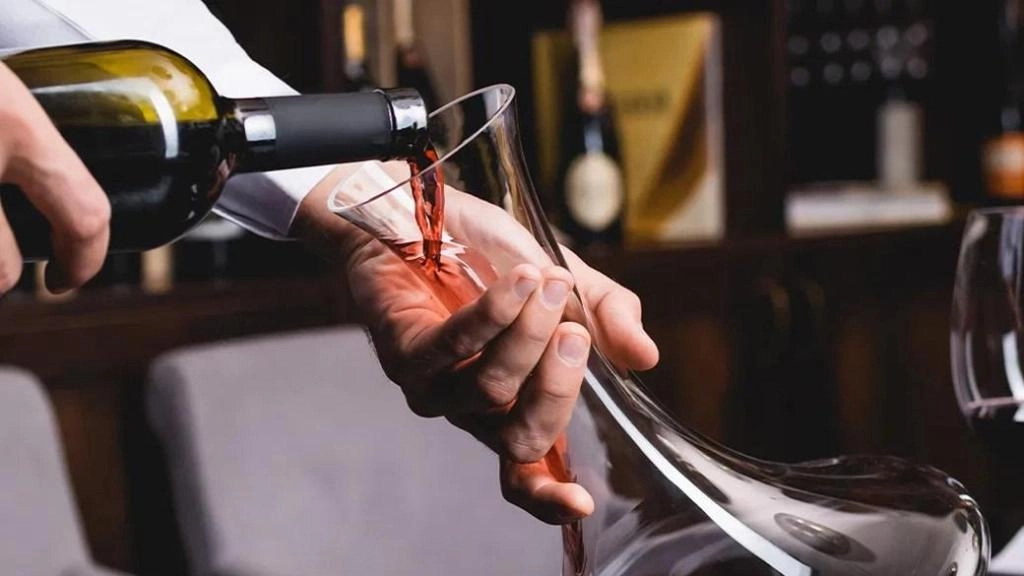
If you’re a wine lover, you understand that some wines blossom when they’re given the chance to interact with air. A glass wine decanter facilitates this process, allowing you to savor the full bouquet and nuances of your favorite wines much quicker.
A well-crafted glass decanter not only enhances the flavor and aroma of wine but also serves as an elegant centerpiece on your dining table or home bar. For those searching for a top-rated option, the Le Chateau Wine Decanter stands out for its hand-blown glass quality.
Understanding Decanting
Decanting, or aerating, involves exposing wine to air, which is typically done with a wide-bodied glass container. This increased surface area allows for better aeration compared to just leaving the wine in its bottle, where it has limited air contact. However, simply pouring wine into a decanter isn’t sufficient; the longer it sits, the better it tastes.
Types of Wine for Decanting
While all wines can theoretically be decanted, some benefit more than others. Full-bodied reds like cabernet sauvignon or petite sirah are prime candidates for this process, often requiring one to two hours of aeration. Medium-bodied reds, such as merlot, typically need 30 to 60 minutes. Conversely, lighter-bodied reds may only require 15 to 20 minutes. Some wines even have specific decanting instructions listed on their labels.
Decanter Considerations
When selecting a glass wine decanter, consider the following:
-
Size and Shape: Decanters often have a wide base, which is ideal for aerating full-bodied wines. If you predominantly drink lighter varieties, a smaller decanter may suffice.
-
Material: Decanters can be made from standard glass, borosilicate glass, or crystal. Standard glass decanters are usually thicker, while borosilicate glass is lightweight yet durable. Crystal decanters look elegant but are generally more expensive.
-
Design: Whether you prefer a simple design or more elaborate features, choose a decanter that matches your aesthetic. Popular designs, like the swan decanter, can make a striking visual impact.
-
Accessories: Some decanters come with stoppers or cleaning brushes, which can enhance the ease of use and maintenance.
Price Range
You can expect to spend between $30 and $100 on a glass wine decanter, with standard options costing around $30 and high-end models ranging up to $100.
Frequently Asked Questions
Do I need a decanter?Yes, especially if you’re fond of full-bodied reds. While swirling wine in a glass can help aerate it, having a decanter enhances the experience and adds a decorative touch.
How do I clean a decanter?Hand-wash your decanter to avoid damage. Use fragrance-free soap to prevent lingering odors and consider using a bottle brush for hard-to-reach areas.
Recommended Decanters
- Top Pick: Le Chateau Wine Decanter – Hand-blown crystal with an elegant design, ideal for optimal aeration.
- Best Value: Nutriups Wine Decanter – Stylish and affordable, with a hollow design that eases pouring and promotes aeration.
- Check Out: Brew To A Tea Wine Decanter – Offers a generous capacity and includes a stopper, perfect for storing wine.
With the right decanter, you can elevate your wine-drinking experience significantly. Enjoy the flavor enhancements that come with proper aeration, and make a stylish statement at your next gathering.
Morrisons Launches Refreshing New Cocktails for Just £1.50—Perfect for Summer BBQs!
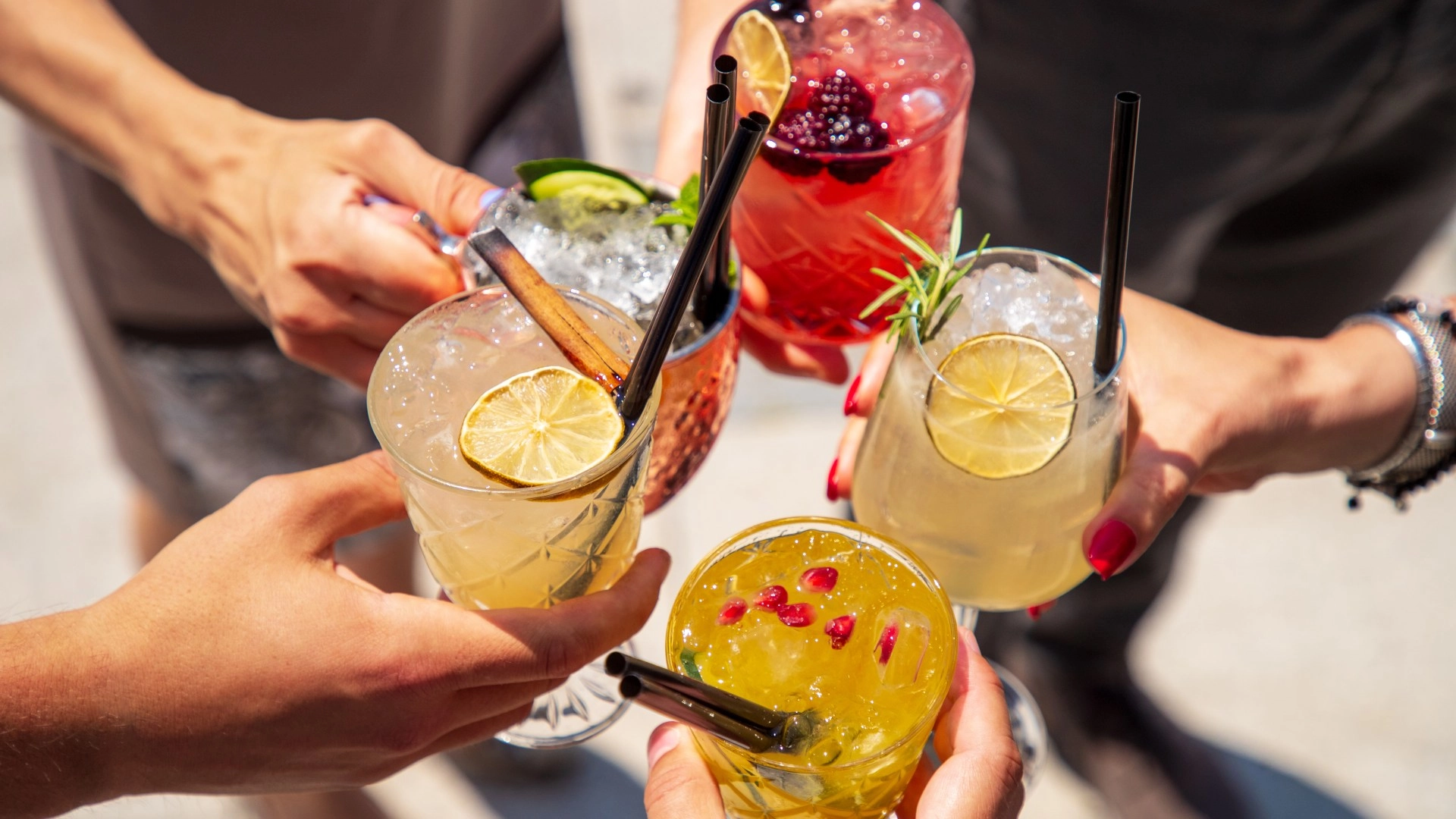
Morrisons has introduced a new line of cocktails priced at just £1.50 per drink, perfect for summer BBQs. This exciting offering comes as a result of a collaboration with The Drinks Bureau, enabling customers to enjoy premium cocktails from the comfort of their own homes.
Available in over 280 Morrisons locations across the UK, these cocktail boxes, which contain 1.5 litres each, are priced at £15. However, customers with a More Card can purchase them for just £12, equating to as little as £1.20 per serving. The boxes include a tap-style spout for easy dispensing, making them ideal for effortless summer gatherings.
Morrisons claims this is the first time premium cocktails have been offered "on tap" at a UK supermarket, a concept that has found success in bars and pubs. Initially, popular flavors such as Mojito, Passion Fruit Martini, and Cosmopolitan are included, ensuring there’s something for everyone.
In addition to the ready-to-drink cocktail boxes, Morrisons has also launched bottled cocktails, including Bliss on the Beach and Passion Fruit Martini, available at £6 each or two for £10. Other brands are also jumping in on the trend, with Aldi offering ready-to-drink cocktail cans starting at 99p and Schweppes unveiling a new line of alcoholic cocktails.
As summer approaches, Morrisons aims to provide budget-friendly alternatives for those looking to enjoy cocktails at home, without compromising on quality.