Refreshing Review: Trying Betty Booze’s New Lemonade & Passion Fruit Vodka Iced Teas!
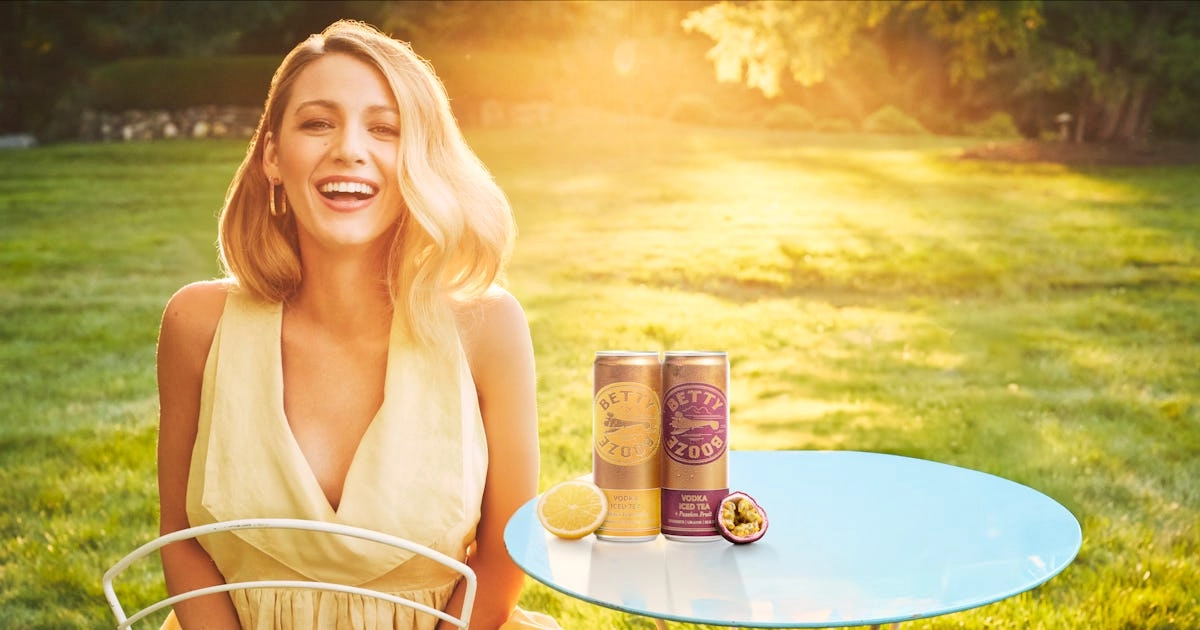
Betty Booze has recently expanded its beverage lineup with the introduction of two vodka iced teas, perfect for summer sipping. Blake Lively’s brand, previously known for its sparkling tequila and bourbon drinks, is now offering these non-carbonated drinks featuring real tea and fruit juice with clean spirits. The two flavors available are Meyer Lemonade and Passion Fruit, which can be found in stores like Total Wine & More and BevMo or on BettyBooze.com.
Lively describes the Vodka Iced Teas as “summer in a can,” made from recipes crafted in her home. As someone familiar with iced teas from a young age, I was eager to see if these drinks held up to that summer standard.
Vodka Iced Tea + Meyer Lemonade
- Initial thoughts: The first thing I noticed is that these vodka iced teas are not carbonated. While I usually enjoy bubbly drinks, this one is incredibly refreshing.
- Pros: The taste is reminiscent of homemade Arnold Palmer, and the Meyer Lemonade flavor stands out as vibrant and fresh. The alcohol is hardly detectable, making it easy to drink.
- Cons: The drink isn’t very sweet, which may disappoint those who prefer traditional Southern sweet tea. While the lemonade enriches the flavor, it may not satisfy those looking for a robust sweetness.
- Overall thoughts: This drink is ideal for poolside relaxation with friends.
- Rating: 4.5 out of 5
Vodka Iced Tea + Passion Fruit
- Initial thoughts: Similar to the Meyer Lemonade, this drink is subtly sweet and brings a delightful passion fruit flavor into play.
- Pros: The passion fruit twist feels unique, likening its taste to Arizona’s green tea and evoking nostalgic summer memories.
- Cons: Still lacking in sweetness, those wanting a pronounced passion fruit flavor might be let down.
- Overall thoughts: This flavor feels innovative, and I’m excited to share it at summer gatherings.
- Rating: 5 out of 5
These new vodka iced teas from Betty Booze not only promise a refreshing summer drink option but also hint at a growing trend in ready-to-drink cocktails that focus on natural ingredients and genuine flavor.
Sipping for a Purpose: Creative Cocktails for a Cause

More than 100 educators, parents, and community leaders gathered on June 10 at the Harbour Club for "Cocktails for a Cause," an event focused on addressing the literacy crisis in Charleston and South Carolina. With nearly two-thirds of students in the state struggling to read proficiently, the need for effective teaching methods in classrooms has become urgent. A report by the National Council on Teacher Quality indicates that teachers typically receive less than two hours of training in their preparation programs specifically for reading instruction.
The evening highlighted successful initiatives, particularly the Lowcountry Literacy Project, which trains educators in the Orton-Gillingham (OG) approach—a research-based, systematic method aligned with reading science. Featured panelists included educators and literacy leaders who shared their experiences and insights, focusing on the transformative impact of this training on student outcomes.
One poignant moment came from Christi Ascue Kershaw, who recounted her struggles in finding effective reading intervention programs for her daughter, illustrating the personal stakes involved in literacy education. Catherine Hagberg presented data showcasing the effectiveness of the OG interventions, where 97% of students at a partner school achieved their English Language Arts growth goals, with over half of those students coming from poverty-stricken backgrounds.
Lindsey Ballenger, Co-Founder and Board Chair, emphasized the importance of investing in educators to ensure that every child has the opportunity to become a confident reader, regardless of their background.
The event was moderated by Octavia Mitchell, an award-winning anchor, and also featured a trailer for an upcoming documentary that captures the essence and achievements of the Lowcountry Literacy Project. The full documentary is expected to premiere in the fall.
The Ideal Life Foundation sponsored educator tickets, prioritizing the inclusion of those closest to the grassroots literacy efforts. One of the event’s highlights was a group photo of the dedicated educators at the forefront of this movement in Charleston County.
For further information, visit the Lowcountry Literacy Project here.
Sparta’s Beer and Brat Festival: A Celebration of Flavors and Community Fun
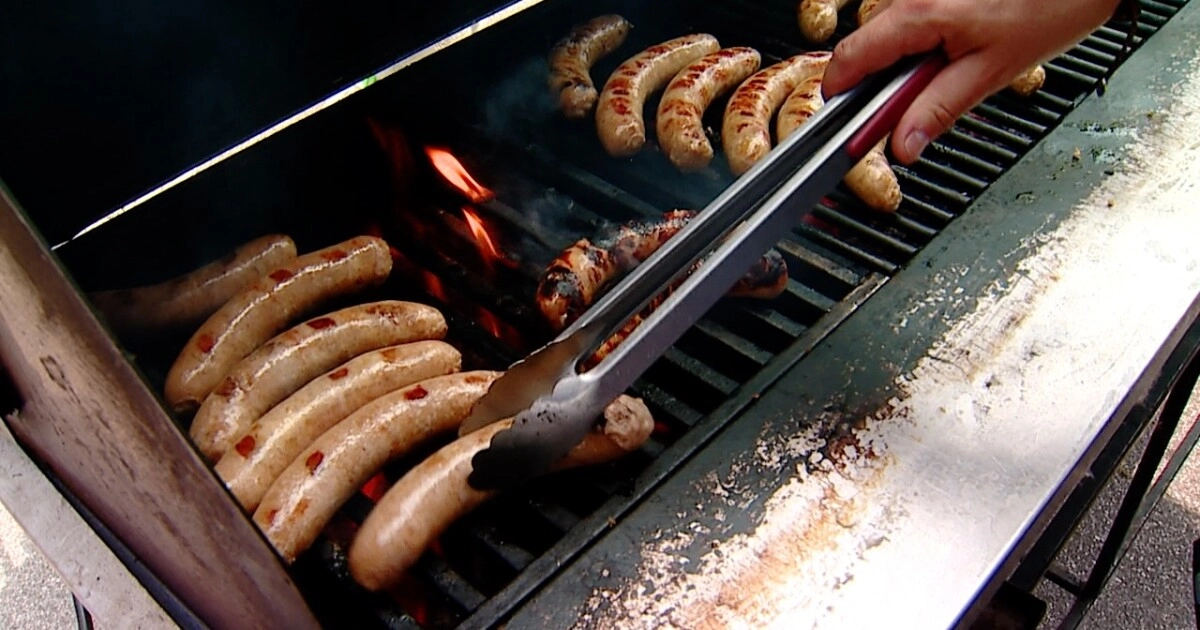
The Sparta Beer and Brat Fest is currently taking place downtown, celebrating Father’s Day weekend with an array of entertainment, food, and beverages. This festival kicked off on Friday and continues through Saturday, showcasing a selection of locally brewed beers and various specialty bratwursts. While admission is free, attendees need tickets to purchase food and drinks.
Festival-goers can enjoy live music across multiple stages, engage in activities such as axe throwing and fowling, and explore an artisan vendor market. Notably, former Detroit Pistons player Lindsay Hunter will be making an appearance and is hosting a basketball shooting contest over the festival’s two days.
Michelle Baltruczak from the Sparta Chamber of Commerce highlighted that one of the festival’s primary goals is to bring the community together and foster local pride. Additionally, the event serves as a fundraiser for future community events in Sparta. With thousands of visitors expected from the surrounding areas, the festival promises to be a vibrant gathering.
For details on hours and a complete schedule of events, visit spartachamber.org.
Top Wine-Country Resorts in California for an Unforgettable 2025 Getaway

Sometimes, a little extravagance is just what you need to rejuvenate. For those looking to indulge in luxurious travel, particularly across California’s famed wine country, the latest guide from Conde Nast Traveler highlights the “25 Best Resorts in California, from Malibu to Napa Valley.” This collection is perfect for planning a lavish getaway filled with exquisite meals, breathtaking views, and pampering experiences.
Travel journalist Maxwell Williams from the magazine notes, “The beauty of California is that there’s so much, well, beauty to behold.” For an immersive experience in the state, he emphasizes the importance of connecting with nature—whether it’s through forests, gardens, or beaches. Travelers can find a plethora of fabulous resorts that cater to these desires, no matter where they are located in California.
The selection includes both iconic destinations and hidden gems, reflecting the diverse offerings in Napa and Sonoma. Here are the top ten resorts that made the list:
- Bardessono Hotel and Spa, Yountville
- Stanly Ranch, Auberge Resorts Collection, Napa
- Meadowood Napa Valley, St. Helena
- Carneros Resort and Spa, Napa
- Dawn Ranch, Guerneville
- The Farmhouse Inn, Sonoma
- Casa Palmero at Pebble Beach, Monterey County
- Carmel Valley Ranch, Carmel Valley
- Alila Ventana Big Sur, Big Sur
- Post Ranch Inn, Big Sur
For those looking to explore the complete list of recommended resorts and further details, visit the Conde Nast Traveler here. Get ready to treat yourself to an unforgettable California getaway!
Exploring Global Flavors: New Cookbooks from Soviet Diaspora to African Wine Pairings

New cookbooks and food literature from New England are enhancing the dining experience with vibrant stories and cultural insights. They explore diverse cuisines, from African pairings to Eastern European heritage, making meals more than just sustenance.
These recent titles are particularly engaging for culinary enthusiasts keen on discovering new flavors and stories behind the dishes. Here are some highlights:
Wine Pairing for the People: The Communion of Wine, Food, and Culture from Africa and Beyond
Authors: Cha McCoy (certified sommelier) and Layla Schlack (food writer)
This upcoming book offers an extensive guide on pairing wine with various dishes, featuring menus and wines that complement foods like Jamaican jerk chicken and Mexican elote. It’s set for release in early November and promises to broaden culinary horizons. Pre-order it here.
Chesnok: Cooking from My Corner of the Diaspora
Author: Polina Chesnakova
Chesnakova’s work acts as a heartfelt tribute to her childhood in the Soviet diaspora, offering recipes like Ukrainian varenyky and honey cake. Scheduled for mid-September release, this book represents a fusion of rich traditions shared in her family’s cooking. Pre-order here.
Sex and the City Cocktails: Fall in Love with 60 Fabulous Cocktail Recipes Inspired by the Show
Author: Thea Engst
Engst captures the flair of Manhattan’s cocktail culture through a stylish collection of recipes inspired by the iconic series. It aims to transport readers to the high-society gatherings reminiscent of Carrie Bradshaw and her friends. This book is set for a November release. Pre-order here.
Umma: A Korean Mom’s Kitchen Wisdom and 100 Family Recipes
Publisher: America’s Test Kitchen
This comprehensive guide to Korean cooking features recipes passed down from the author’s mother, including comforting classics like kimchi jjigae and Korean fried chicken. It’s a celebration of family traditions in culinary form. Order it now.
Rhode Island Food Crawls: Touring the Neighborhoods One Bite & Libation at a Time
Author: Jamie Coelho
As the editor-in-chief of Rhode Island Monthly, Coelho presents a delightful guide to food crawls across the state. Readers can look forward to exploring the culinary landscape one delicious bite at a time, with a release date of July 15. Pre-order now.
Practical Pomology: A Field Guide
Author: Sean Turley
Turley’s guide is dedicated to New England’s apples, offering an insightful look at apple varieties, terminology, and identification tips, paired with beautiful illustrations. Essential reading for those interested in local fruit cultivation. Order it here.
These titles are more than just cookbooks; they are narratives that elevate the cooking experience by connecting food with personal histories and cultural legacies.
Savor the Summer: Discover STK Steakhouse’s Bold New Menu and Cocktails!

In a recent wave of protests across the United States, demonstrators have voiced their concerns about various social and political issues, including immigration and police violence. Notably, protests centered around the immigration policies have gained momentum, particularly in Los Angeles. Activists have organized gatherings to rally against these policies and support affected communities, emphasizing the importance of solidarity and unity.
The protests in Los Angeles have drawn considerable attention as activists strive to create awareness and promote change. A detailed map illustrating the areas affected by the demonstrations reveals that while the protests have spread across the city, only certain neighborhoods have experienced significant activity.
This unrest is not confined to a single region; protests have occurred nationwide, with many connecting their activism to broader concerns regarding law enforcement practices and community rights. These actions highlight a growing movement among citizens determined to challenge systemic issues and advocate for justice and equality.
Amidst these protests, various figures, including politicians and activists, have spoken out, drawing significant media coverage. The situation remains dynamic, with ongoing developments and updates related to protests, public responses, and potential political ramifications.
For the latest updates on the protests, visit the following linked resources:
Territory Faces Pressure to Revise Rum Strategy Amidst Declining Sales and Revenue Shortfalls

Local rum manufacturers are facing a significant challenge as revenues continue to fall short of projections. For fiscal year 2025, rum revenues were expected to reach $210 million, but actual receipts only totaled $181 million, leaving a $29 million deficit. This situation has prompted lawmakers and finance officials to propose new marketing strategies and product innovations to help revive the industry.
During a recent meeting of the Committee on Budget, Appropriations, and Finance, Nathan Simmons, director of the Public Finance Authority, revealed the disappointing figures associated with the rum cover over receipts. The committee noted the decreasing sales of spirits, particularly rum, in the United States.
To address this issue, Simmons stated that local rum producers, specifically Cruzan Rum and Diageo, have begun to ramp up their marketing efforts. However, he emphasized that they will not increase production without certainty that sales will follow—indicating a cautious approach to expansion.
Current market trends indicate that consumer preferences are shifting. While certain spirits like tequila are gaining popularity, flavored and ready-to-drink cocktails are surging, putting traditional rum sales on the back burner. Senators Milton Potter and Kurt Vialet discussed the importance of aligning long-term production strategies with these changing consumer trends and the necessity for targeted strategies to boost rum sales.
In the broader context, U.S. rum consumption has seen a decline; recent reports showed an approximate 8.9% decrease in rum volumes over the past year. Yet, there is a glimmer of hope. Projections suggest that the U.S. rum market, valued near $2.91 billion in 2024, could see growth driven by premium and craft rum segments extending through 2030.
Additionally, the current statutory rum cover over rate of $10.50 per proof gallon continues to hinder revenue expectations that were based on an anticipated extended rate of $13.25. Senator Vialet called on the government to engage lobbyists to urge for the rate increase, which he believes the territory is not adequately compensated for. Simmons affirmed that discussions with Delegate to Congress Stacey Plaskett are underway to aim for legislative changes regarding the cover over rate.
As local producers navigate these challenges, there is a clear consensus on the need for a long-term strategy focused on innovation and marketing to adapt to the evolving spirits market.
America’s Top Bartenders Share Their Picks for the World’s Best Rum

A distinguished Caribbean rum from St. Kitts and Nevis has recently been honored as the World’s Best Rum at the 2025 Bartender Spirits Awards. This accolade spotlights the exceptional quality and heritage behind Old Road Rum, a brand deeply rooted in the island’s historical sugar production.
Old Road Rum, crafted in a region historically known as the “Mother Colony of the West Indies,” draws on centuries of rum-making tradition. The area, once flourishing with sugarcane plantations, became renowned for its rum distillation processes after sugar production began to wane. Though the last sugar production on St. Kitts ceased in 2005, the spirit of rum lives on through Old Road Rum, which reflects both the past and a modern renaissance in rum craft.
The rum is produced under the Old Road Rum Company, established by Jack Widdowson, and is distilled in Barbados before being matured and bottled in St. Kitts. The limited edition release, launched in 2022, has quickly gained accolades for its well-rounded flavor profile, marked by its rich complexity and elegant finish. It is aged for approximately 12 years in ex-bourbon barrels, which influences its distinct character.
The tasting notes of Old Road Rum, Limited Edition, reveal a deep amber-gold hue with a complex aroma featuring hints of molasses, caramel, tropical fruits, and baking spices. The palate is described as creamy and robust, showcasing flavors like burnt sugar, vanilla, and dried fruits, complemented by an array of spices. The finish is noted for its sweetness and layered depth, leaving a lasting impression of wood and fruit.
This recognition at the International Bartender Spirits Awards, where spirits are judged on quality, innovation, and craftsmanship, emphasizes the growing reputation of artisanal rums from the Caribbean. For enthusiasts and connoisseurs alike, Old Road Rum offers a sophisticated tasting experience, whether enjoyed neat or paired with various foods.
For more details, you can visit the official Old Road Rum website.
Top Outdoor Bars and Beer Gardens to Savor This Summer in Queens

As summer approaches, the outdoor drinking scene in Queens comes alive, with plenty of bars and beer gardens making for perfect hangout spots. As the sun sets past 8 p.m. and temperatures rise, it’s an ideal time to unwind with friends while enjoying great food and drinks.
Here are some of the top outdoor venues to explore this summer in Queens:
-
Anable Sailing Basin (4-40 44th Dr., LIC): This waterfront location boasts stunning skyline views alongside a menu that includes craft drinks and freshly grilled items like burgers and skirt steak. It’s a cozy spot for casual meet-ups.
-
Focal Point Beer Co. (43-50 12th St., LIC): Known for its spacious outdoor seating, this local brewery offers a rotating selection of IPAs and non-alcoholic brews. It’s a great hangout for trivia nights or casual meet-ups, with the added perk of a nearby taco shop.
-
Bar Dalia (33-17 31st Ave., Astoria): With both sidewalk seating and a backyard area, Bar Dalia serves cocktails, wine, and small plates with an inviting atmosphere typical of Astoria’s lively streets.
-
Pig Beach (35-37 36th St., Astoria): An energetic venue that amplifies summer fun with BBQ specials, ice-cold drinks, and regular watch parties for major sporting events.
-
The Goat Bar (43-17 Queens Blvd., Sunnyside): A cozy, laid-back retreat featuring a patio perfect for sipping cocktails, enjoying small bites, and catching live performances.
-
Claret Wine Bar (4602 Skillman Ave., Sunnyside): This intimate venue transforms into an al fresco dining gem during the warm months, serving pizza, wine, and cocktails in a relaxed atmosphere with live music on Fridays.
-
Leaf Bar and Lounge (133-42 39th Ave., Flushing): Featuring a rooftop terrace, this venue highlights Taiwanese cuisine and a variety of drinks, accompanied by a daily happy hour.
-
Paradise Alley (4109 150th St., Flushing): A chill bar with a nice outdoor area, serving up pizzas and cocktails while offering entertainment options like pool and darts.
-
One Station Plaza (213-10 41st Ave., Bayside): Known for its outdoor beer garden, it’s the go-to spot for casual meals including hearty burgers and shareable plates.
-
Forest Hills Station House (106-11 71st Ave., Forest Hills): This popular neighborhood bar features plenty of outdoor seating for brunch, dinner, or a drink in a relaxed environment.
-
Queens Beer Garden (80-60 Cooper Ave., Glendale): Nestled within The Shops at Atlas Park, this beer garden is perfect for after-work drinks, offering tacos, quesadillas, and a broad drink menu.
Whether you’re in the mood for a breezy lounge atmosphere, delicious food, or spectacular views, Queens has numerous options to enjoy the season outdoors.
Raise a Glass this Father’s Day: Celebrate with the Whiskey from TV’s Most ‘Shameless’ Dad!

This Father’s Day, consider giving a unique gift—a bottle of whiskey associated with one of television’s most infamous dads. Frank Gallagher, the character portrayed by William H. Macy on the show Shameless, is not someone most would consider a model parent. However, the William H. Macy Reserve Straight Rye Whiskey from Woody Creek Distillers is a high-quality spirit that deserves recognition, despite its connection to such a flawed character.
Macy, who joined Woody Creek Distillers in 2018, has taken a hands-on approach with the brand. He’s not just a celebrity face; he actively participates in the whiskey-making process, helping to select the barrels and holding events to promote the product. His involvement stems from a personal connection; he and his wife are neighbors of the distillery founders, Patrick and Mary Scanlan.
The William H. Macy Reserve is a bottled in bond, 10-year-old straight rye whiskey that sells for $199 and can be found online, at the distillery in Basalt, Colorado, and at select retailers. Macy has a strong belief in the quality of his whiskey, stating, "I know there are other great spirits, but I am saying there are none better."
When asked if he would share the whiskey with Frank Gallagher, Macy humorously acknowledged Frank’s terrible parenting but noted that the character believed in celebrating life’s moments. This whiskey fits right into such occasions.
With its ten years aging in barrels, the rye showcases a rich profile, including flavors influenced by oak, along with fruity and spicy notes. It offers aromas of clove and cinnamon, with a palate featuring apples, dried fruit, nuts, and honey, culminating in a finish that hints at spice and mild smoke. It’s an enjoyable sipper straight or on the rocks, and it also shines in classic cocktails.
In a light-hearted admission, Macy declared that Jim Anderson, from Father Knows Best, embodies the ideal father figure, contrasting heavily with Frank Gallagher. For those who appreciate good whiskey, a bottle of William H. Macy Reserve Straight Rye offers a delightful way to celebrate Father’s Day—preferably with a shared toast.