Sip Into Summer: 6 Refreshing Cognac Cocktails to Enjoy in the Sun

Cognac is commonly viewed as a warm, winter drink, primarily featured in classic cocktails like the Vieux Carré and Brandy Alexander. However, bartenders are increasingly showcasing its versatility as a refreshing ingredient to combat summer heat. Dan Nicolaescu, a bartender at Le Coucou in New York City, highlights his "Midsummer Magic" cocktail, designed to enhance the flavors of summer produce and pair perfectly with outdoor gatherings.
As Cognac’s appeal grows, so does its market—projected to increase from $14.97 billion in 2024 to $15.79 billion in 2025. By 2029, revenue is expected to reach approximately $19.79 billion, suggesting that Cognac cocktails will likely make regular appearances on menus year-round.
Here are six cocktails that highlight the refreshing potential of Cognac during the summer months:
Fleur de Feu
- Ingredients:
- 1.5 oz peach-infused Cognac VS
- 1 oz freshly squeezed orange juice
- 0.75 oz freshly squeezed lemon juice
- 0.5 oz honey syrup
- 0.25 oz Licor 43
- 2 dashes of Angostura bitters
- 1.5 oz soda water
- Method: Shake all ingredients except the soda water with ice. Strain into a Collins glass, add soda, and garnish with mint.
Midsummer Magic
- Ingredients:
- 1.5 oz Cognac VS
- 0.75 oz Pineau des Charentes rouge
- 0.5 oz strawberry syrup
- 0.75 oz fresh lemon juice
- Half an egg white
- A spray of absinthe
- Method: Shake all but the absinthe with ice and strain into a glass. Spray with absinthe and garnish with a strawberry.
The Rémy Riviera Collins
- Ingredients:
- 1.5 oz Rémy Martin 1738 Accord Royal
- 2/3 oz lemon juice
- 2/3 oz simple syrup
- Club soda
- Method: Shake cognac, lemon juice, and syrup with ice. Strain into a highball glass and top with club soda. Garnish with a lemon wheel and cherry.
The Pear-Fect Spritz
- Ingredients:
- 1.5 oz Belle de Brillet
- 2 oz soda water
- 3 oz dry sparkling wine
- A squeeze of lemon
- Method: Combine in a wine glass filled with ice, and stir gently. Garnish with a lemon slice.
Southern Barbecue Spritz
- Ingredients:
- 1.5 oz Cognac VS
- 0.75 oz Granny Smith honey syrup
- 0.5 oz Amontillado sherry
- 0.5 oz lemon juice
- 2 oz dry sparkling wine
- 1 oz soda water
- Method: Shake all non-soda ingredients with ice and strain into a chilled glass. Top with sparkling wine and soda. Garnish with a lemon wheel and apple slice.
The Rémy Mojito
- Ingredients:
- 1.5 oz Rémy Martin 1738 Accord Royal
- 1 oz fresh lime juice
- 0.5 oz simple syrup
- 1 oz sparkling water
- Method: Shake all ingredients except soda and strain into a Collins glass filled with ice. Top with sparkling water and garnish with mint.
These creations showcase how Cognac can be adapted into refreshing summer cocktails, perfect for any gathering.
Trillium Launches Exciting New Canned Cocktails: Discover Your New Favorites!

In a notable shift within the brewing community, Massachusetts breweries have started diversifying their offerings beyond traditional beer, responding to the evolving tastes of consumers and the competitive market landscape. Trillium Brewing Company is the latest to join this trend, unveiling new ready-to-drink canned cocktails and beverages following a significant expansion of their distillery in Canton.
The brewery, which began its spirits program five years ago, is now ready to provide a variety of products, including rum, vodka, and whiskey. According to co-founder JC Tetreault, this expansion is designed to allow Trillium to offer handcrafted cocktails as well as a line of new canned beverages. Presently, customers can find a canned rum punch and margarita utilizing Trillium’s spirits, along with lemonade and pink lemonade which were recently launched.
Trillium’s VP of sales and marketing, Mike Dyer, expressed their commitment to quality, stating, “In a growing market segment full of choice, we’ve stuck to our roots and crafted an array of top-shelf beverages that Trillium fans and discerning consumers will appreciate.” The plan includes distributing these new canned products at select bars and restaurants while still producing their original beer lineup, such as the popular Fort Point Pale Ale.
In collaboration news, Bent Water Brewing has created a custom beer called Backstage Pils specifically for the Brighton music venue Roadrunner. This beer will be exclusively available at shows, with a portion of the proceeds benefiting ZUMIX, a Boston-based music nonprofit.
In a sweet twist, Honey Dew and Vitamin Sea Brewing have teamed up to create a doughnut inspired by Vitamin Sea’s Pool Water seltzer. This vibrant blue delicacy features a lemon cake base topped with vanilla-blue frosting.
For more about Trillium Brewing’s new offerings, visit their official website.
Sipping in Style: Trillium Launches New Canned Cocktails – Rum Punch and Margarita!

Trillium, a Massachusetts brewery, has made waves by expanding its offerings beyond beer. This strategic shift comes as breweries look to cater to a broader audience in an increasingly crowded marketplace. Trillium recently completed a significant expansion of its distillery in Canton and now unveils a series of ready-to-drink canned cocktails, including a rum punch and margarita, as well as teas, lemonades, and seltzers.
According to JC Tetreault, cofounder of Trillium, the goal of their spirits program, launched five years ago, was to offer an extensive range of bar essentials, including rum, vodka, and various whiskeys. This expansion allows Trillium to provide handcrafted cocktails and develop new canned beverages for its customers.
Trillium’s new products are already available in their locations and are set to be available at selected bars and restaurants. The new offerings include a canned rum punch and margarita made using Trillium spirits, along with fresh lemonade and pink lemonade.
Mike Dyer, the VP of sales and marketing at Trillium, emphasized their commitment to crafting high-quality beverages that both their loyal fans and discerning consumers would appreciate.
In related news, Bent Water Brewing has launched a new collaboration beer named Backstage Pils, available exclusively at the Roadrunner venue during select shows, with a portion of the sales benefiting ZUMIX, a Boston music nonprofit.
Also notable is a collaboration between Honey Dew and Vitamin Sea brewery, creating a special doughnut inspired by Vitamin Sea’s Pool Water seltzer, blending flavors to match the vibrant theme of summer drinks.
Jo Malone Transitions from Fragrances to Distilling: Introducing Her Own Vodka Line

Move over, perfume bottles! Jo Malone CBE, known for crafting some of the world’s most luxurious fragrances, has ventured into the spirit world with her new line, Jo Vodka. This collection is not merely a fragrant representation; it consists of real vodkas crafted to "ignite the senses."
Malone’s innovative approach combines her unique synesthesia—where one sense evokes another—into the realm of taste. She expressed her curiosity about whether her olfactory prowess could be translated into the flavor profile of spirits. This playful exploration resulted in a vodka line that invites both fragrance and spirit lovers to experience flavor in a new light.
The range, developed over a year with Master Distiller Joanne Moore, includes three distinct expressions:
-
101, The Purist – This vodka is described as the sensible choice, embodying purity and simplicity.
-
102, The Bohemian – Infused with flavors like bergamot, pomelo, bay leaf, and yuzu, this variety caters to adventurous spirits, perfect for those who embrace a free-spirited lifestyle.
-
103, The Artist – Featuring notes of rose, neroli, pink peppercorn, and sencha, this variant appeals to the creative souls who enjoy experimenting with flavors.
Joanne Moore, one of the first female gin Master Distillers, praised the collaboration’s successful fusion of their respective expertise in scent and taste. The playful interpretations of these vodkas further enhance their charm; for instance, The Purist resonates with the texture of "soft leather," while The Bohemian embodies the feel of "silk."
Jo Vodka is priced at £49.99 per bottle and has already launched in 100 World Duty-Free outlets worldwide. This launch signifies travelers’ enthusiasm for the new experience, with hopes that tasting "The Purist" might elevate their travel experience.
For more details, visit Jo Vodka.
Exploring the Best New York Vineyards at the 2025 Wine Classic: A Comprehensive Guide

Governor Kathy Hochul recently announced the winners of the 2025 New York Wine Classic, which honors excellence within the state’s wine industry. The prestigious Governor’s Cup went to Rose Hill Vineyards from Long Island for their 2019 Clarity Cabernet Sauvignon. Meanwhile, Weis Vineyards from the Finger Lakes was named Winery of the Year for the second consecutive year and the third time overall.
The Governor’s Cup represents the best of all entries, highlighting the quality of wines produced in New York. In addition to the top honors, various other awards were given for specific categories, recognizing wineries across several wine types including sparkling, white, red, pink, dessert, and specialty wines.
Notable winners included:
- Best Sparkling: Milea Family Wines Hudson Valley Vineyards Right Bank Blanc De Blancs, Hudson Valley
- Best White Wine: Weis Vineyards 2024 Grüner Veltliner, Finger Lakes
- Best Pink Wine: Weis Vineyards 2024 Dry Rosé, Finger Lakes
- Best Red Wine: Rose Hill Vineyards 2019 Clarity Cabernet Sauvignon, Long Island
- Best Dessert Wine: Billsboro Winery 2023 Après, Finger Lakes
- Best Specialty Wine: Montezuma Winery Crimson Queen Cranberry & Rhubarb, Finger Lakes
Hochul expressed her congratulations to all participating wineries, noting the impressive caliber of New York wines produced by dedicated winery owners and farmers statewide.
Now in its 39th year, the New York Wine Classic continues to showcase a diverse range of wine recipes and flavors from various American Viticultural Areas, including Lake Erie, Niagara Escarpment, Finger Lakes, Upper Hudson, Hudson River Region, Champlain Valley of New York, and Long Island.
According to Sam Filler, Executive Director of the New York Wine & Grape Foundation, the Classic celebrates not only exceptional wine but also the passion and resilience of the industry, providing a platform that highlights the creativity of winemakers and growers. This year, the competition awarded a total of 12 platinum, 261 gold, 299 silver, and 80 bronze medals, judged by a panel of experts from the wine industry.
For more information about American Viticultural Areas, you can visit the TTB website.
Unlocking Wine Freshness: Expert Storage Tips for Every Bottle
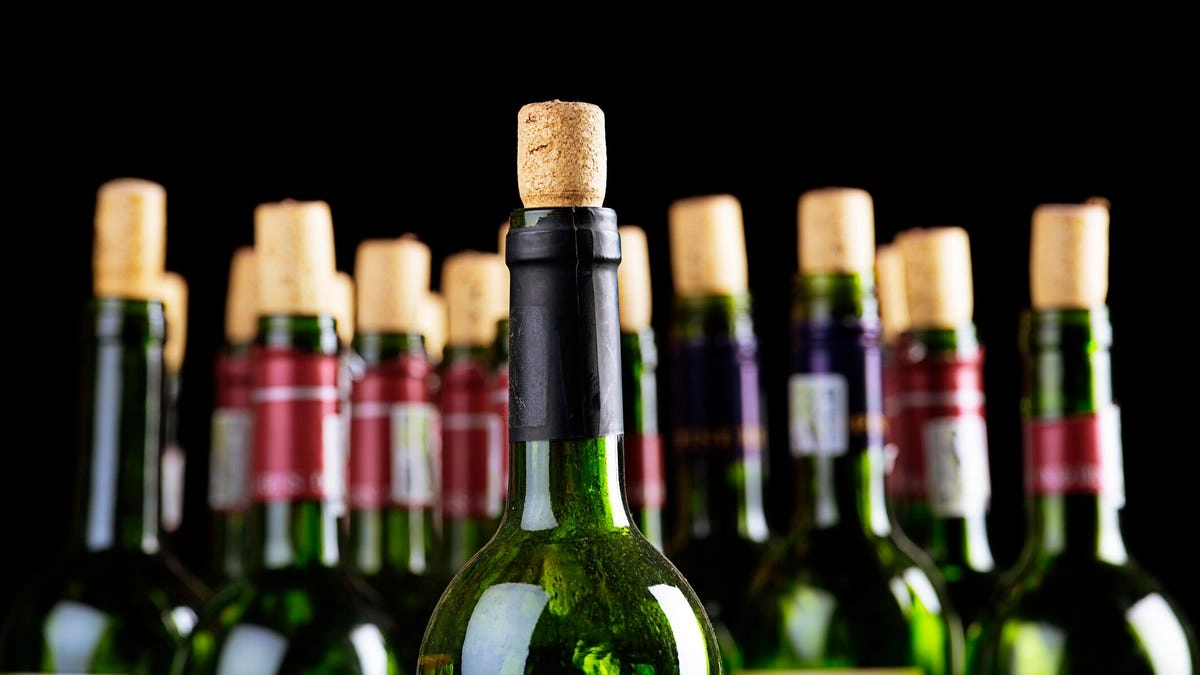
Storing an opened bottle of wine correctly can significantly extend its lifespan, allowing you to enjoy it for days, rather than hours. The quality and longevity of wine once opened depend on the type of wine and how it’s stored.
For red wines, keeping them in the fridge can help maintain freshness for 3 to 5 days. Cooler storage slows down the wine’s oxidation process. Before drinking, just take them out about 10 minutes before serving to allow them to reach the preferred temperature.
Full-bodied white wines, like oaked chardonnay, generally last about 2 to 3 days in the fridge. They tend to oxidize faster than lighter wines due to their earlier exposure to oxygen during production. Using a vacuum cap can help preserve these wines even longer.
Sparkling wines have the shortest lifespan once opened, typically lasting only 1 to 3 days. A specialized sparkling wine stopper can help retain carbonation, or you may consider investing in a more advanced preservation system that pumps carbon dioxide back into the bottle, keeping the fizz for weeks.
Light white, sweet white, and rosé wines can usually be enjoyed for up to 5 days in the fridge, although their flavors may begin to shift with oxidation. Regular corking is essential for maintaining their quality.
To ensure your wine stays as fresh as possible, consider these tips:
- Invest in a wine preserver: Devices like vacuum pumps can greatly help in keeping the air out.
- Store opened wine in the refrigerator: This slows down the oxidation process.
- Keep wine away from heat and light: This protects the wine’s aromas and taste.
When it comes to serving temperatures, the general rule is that cooler wines are more refreshing, while fuller-bodied wines benefit from slightly warmer temperatures. For example, light whites and rosés are best served at 45 to 50 degrees Fahrenheit, while full-bodied reds are better between 59 and 68 degrees Fahrenheit.
By taking these simple steps, you can enjoy your wine without the fear of wasting a drop. Whether it’s a luxurious Cabernet Sauvignon or a sparkling Prosecco, knowing how to preserve your opened bottles can enhance your wine experience.
OWSL Playoff Highlights: Union Whiskey, Bamboo, and Angee’s Path to Victory

A father has been arrested in New York in connection with the death of his 9-year-old daughter, who was found dead in a wooded pond after he had reported that she had been abducted while they were on vacation. The tragic incident has raised concerns and sparked investigations into the circumstances surrounding the child’s disappearance and death.
This case highlights the importance of child safety and protective measures, and the community is in shock as details continue to unfold.
For more details regarding this case, refer to the full article.
For additional news coverage:
Hank Hill-Approved: San Antonio Brewery Unveils ‘King of the Hill’ Inspired Beer
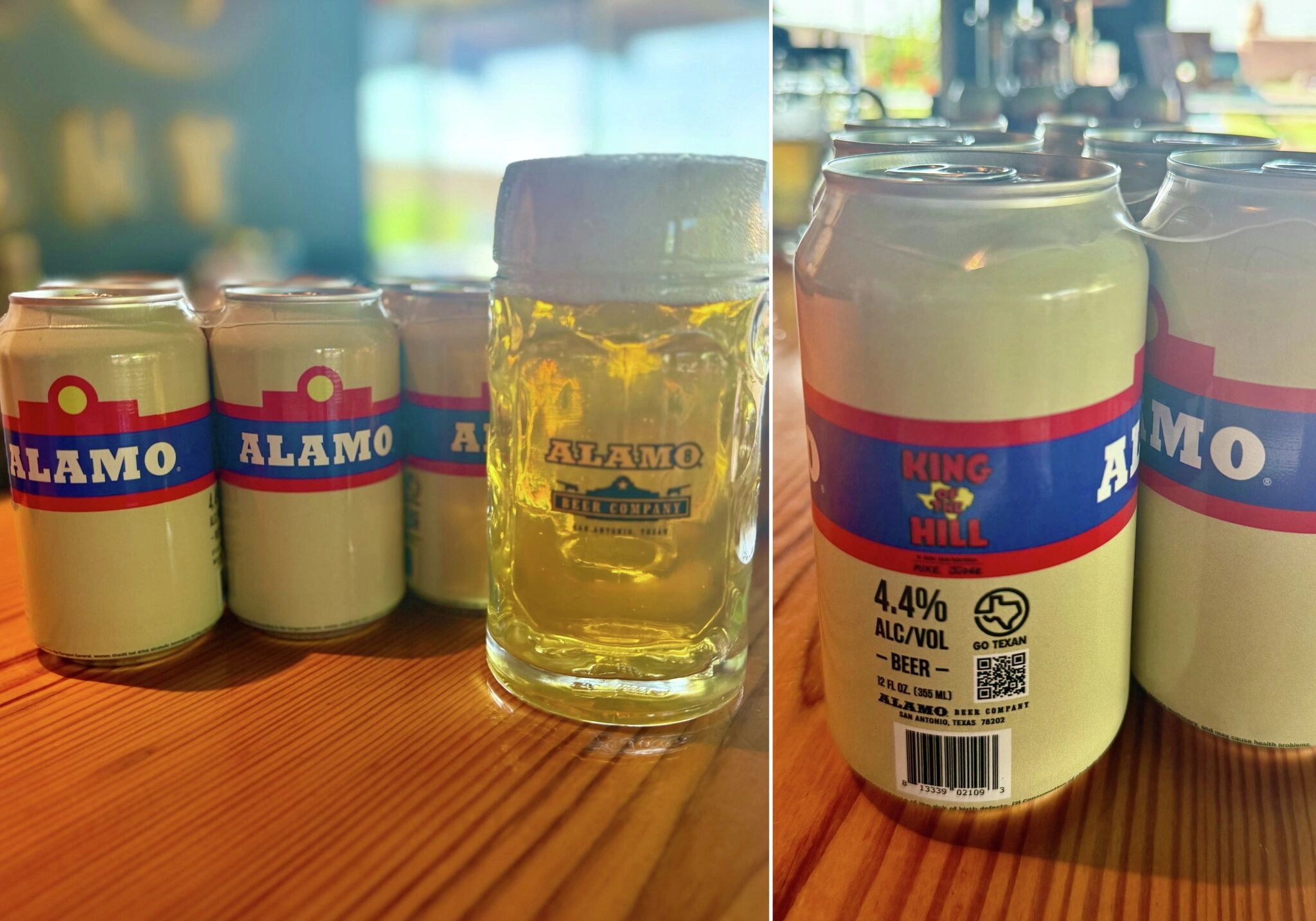
Alamo Beer Co. in San Antonio is set to release a new beer inspired by the beloved animated series King of the Hill. The brewery, whose roots date back to the 1990s, will officially launch this highly anticipated Alamo beer on July 26, with availability in H-E-B stores starting July 28. The beer’s trademark process was originally unrelated to the series, but fans have long associated the brewery with the character Hank Hill, who famously enjoys Alamo beer in the show.
Eugene Simor, the founder of Alamo Beer Co., explained that the brewery has an official licensing agreement with Disney, allowing them to use the likeness of the characters and branding from the show. The cans will feature the King of the Hill logo and unique slogans linked to the series.
Simor described the Alamo beer as a straightforward American lager with a flavor profile that includes a slight breadiness and cracker taste. With an alcohol content of 4.4% ABV, the beer aims to be an easy-drinking choice for gatherings. "It’s perfect for watching football, grilling out, or enjoying a day by the water," added Victor Montez, the brewery’s brewmaster.
The launch event will be held at the brewery on July 26, featuring food trucks, music, and the chance to purchase the beer on draft. Attendees can buy six-packs on a first-come, first-served basis, with a limit of one per person. The brewery plans to keep the Alamo beer available year-round.
Following a challenging period, which included filing for Chapter 11 bankruptcy in February, Alamo Beer Co. is on the verge of completing a sale to SJK Capital, a private equity firm. This sale is expected to pave the way for new developments within the company.
With its history intertwined with King of the Hill, Alamo Beer Co. looks forward to capitalizing on this collaboration as the series prepares for its revival, set to premiere on August 4.
Rising Craft Beer and Cider Prices: Is Trump’s Policy to Blame?
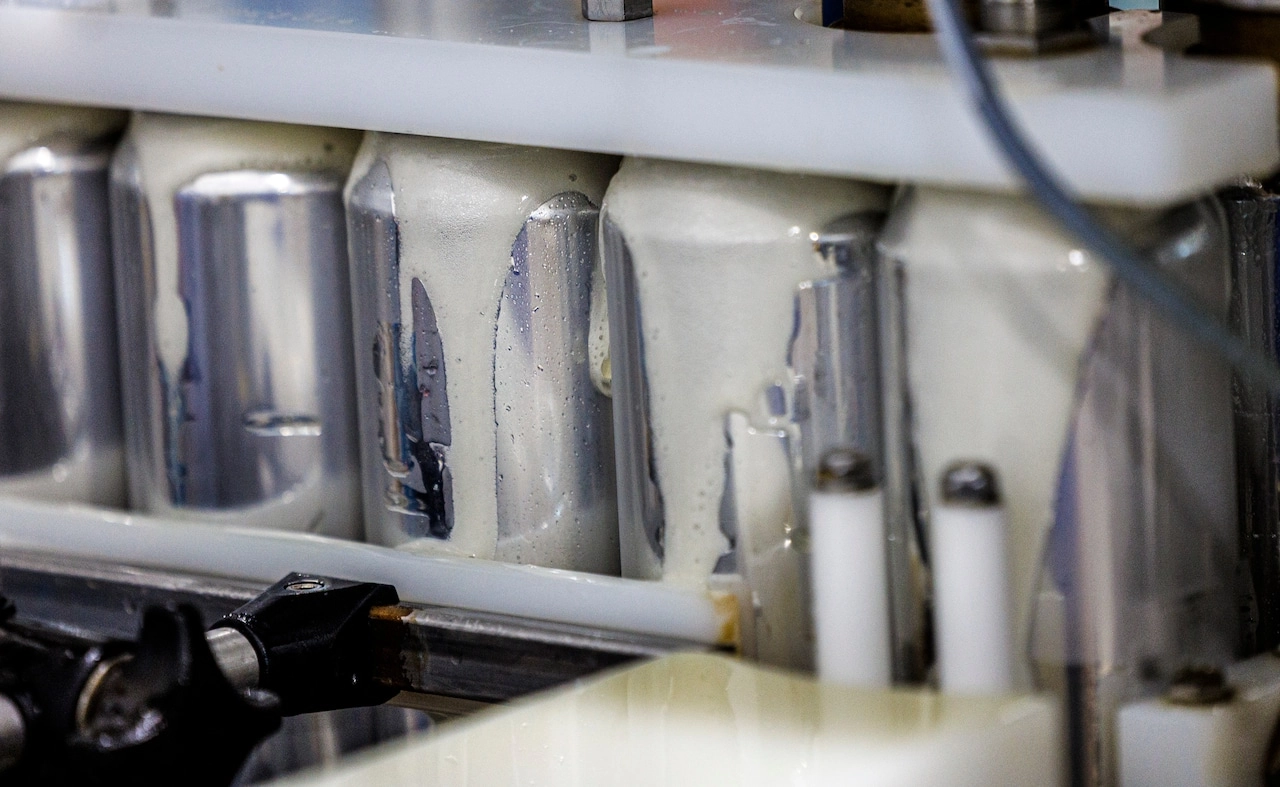
If New Yorkers are facing higher prices for craft beers and ciders, it might be due to the tariffs imposed by former President Donald Trump on imported aluminum. According to a report from the Albany Times-Union, local craft brewers are feeling the financial strain as these tariffs increase their costs significantly.
Christian Weber, co-owner of Common Roots Brewing, shared that he has experienced an 8% rise in costs, translating to an additional $10,000 for the business. The tariffs, which began with a 25% increase in March and then doubled to 50% in June, are intended to promote domestic production but have left brewers burdened until U.S. manufacturing can meet the demand.
Weber explained the challenges coming from supply chain issues, stating, “If the end goal is to increase American manufacturing, then you can’t just slap a tariff on and expect the market just to catch up.” As American manufacturers struggle to keep up with the sudden demand for materials, other costs have also surged. For example, cardboard prices have gone up by 5%, and certain food items have seen “astronomical” price increases, including coffee, which rose by as much as 25% due to its import reliance from countries such as Mexico, Colombia, and Brazil.
The impact of these tariffs extends beyond breweries. Sonya del Peral, co-owner of Nine Pin Cider, highlighted that a recent shipment of cans came with an added tax of over $1,700. With several shipments remaining this year, she noted that the additional $20,000 in costs has been shocking for a small business. Del Peral stated, “This is all about building up manufacturing, supposedly, but it’s really hurting our existing manufacturing business, which is hyperlocal.”
As local brewers and cider producers navigate these challenges, the broader effects of tariffs are increasingly evident, raising concerns about the sustainability of small businesses in New York’s craft beverage industry.
Navigating Change: The Bar Industry at the Crossroads as Tales of the Cocktail Kicks Off in New Orleans

As the annual Tales of the Cocktail conference kicks off in New Orleans, the bar industry finds itself at a crucial crossroads. This event, which began as a small walking tour of local bars in 2002, has transformed into a major multi-day gathering that attracts bartenders, servers, mixologists, and hospitality leaders from around the world. The conference generates roughly $24 million in economic impact, benefiting bars, restaurants, and local businesses, particularly during the traditionally slow summer months.
This year’s conference features an impressive lineup, with 390 events planned, including educational workshops, tastings, and networking opportunities. As the industry faces mounting challenges—ranging from technological advancements and social issues to economic downturns—the theme of this year’s event, "Evolve," emphasizes the necessity for bars to adapt. Discussions will cover topics such as AI’s role, diversity in the workforce, and the broader implications of these changes.
Neal Bodenheimer, owner of Cure and a board member of Tales, stresses the need for the industry to rethink its operation. Bars mirror the state of society, responding to changes in economics and culture. Historical examples illustrate how bars have served as integral spaces for community building—places where significant cultural movements have been born, from jazz to civil rights.
However, the industry is grappling with serious issues exacerbated by political and economic climates. Since Donald Trump’s presidency began in 2016, the hospitality sector has increasingly felt the weight of rising racism, sexism, and homophobia, which complicate the social dynamics within bars. The pandemic further disrupted operations, halting momentum towards more equitable working conditions and fostering anxiety within a workforce largely made up of women and minorities.
Yet, changes in drinking habits are also evident, with a younger generation more inclined towards THC seltzers and non-alcoholic options rather than traditional alcoholic beverages. This trend has led to significant adjustments in socializing norms and bar economics, shifting the way patrons engage with these spaces.
In addition, issues such as labor shortages due to strict immigration policies and rising costs of goods have raised alarms in the industry. Hurricane threats and a decline in regional tourism have compounded financial struggles for New Orleans bars, which have historically relied on seasonal festivals for business.
Despite these challenges, industry experts remain hopeful. Bodenheimer and Mark Schettler, a consultant, emphasize that bars serve as community hubs essential for fostering connections among individuals. They argue that while the industry undergoes transformation, it’s vital to focus on inclusivity and community engagement to strengthen the future of hospitality.
Tales of the Cocktail emerges as a platform not only for celebration but for confronting these pressing struggles within the industry, ensuring that bar spaces continue to thrive amid uncertainty.