November 2026 67
Craft Beer, Vol. 36: Why Support Beer You Can’t Drink Yet? Japanese Craft Beer and Crowdfunding

Some people contribute to a brewery before its beer is ready. Others look forward to visiting a place that has yet to be built. Craft beer crowdfunding brings these people together with businesses still taking shape.
The support raised can help make a brewery or taproom possible, but it also reflects relationships, promises, and the work needed to turn an idea into a lasting business.
1. A campaign target isn’t the same as the cost of opening
Kurikoma Yama Beer set out to build a brewery in a former tofu shop in Kurihara, Miyagi Prefecture. Its campaign ran from July to August 2024, raising ¥5,656,500 from 498 supporters against a ¥1 million target. The project estimated that equipment and renovations would cost about ¥15 million, with loans expected to cover part of the gap.[1]
A campaign’s achievement rate does not show whether a business has raised everything it needs. To understand what the support makes possible, it is important to know which costs it covers and how the rest of the project will be financed.
2. Support often begins before the campaign
In an interview with CAMPFIRE, project lead Daiki Miura said that acquaintances made up 90% of Kurikoma Yama Beer’s supporters. The most popular reward was a “name support” option that did not include beer. He also described meeting people in person, sharing the project on social media, and distributing flyers.[2]
This is one project’s experience, not a measure of the industry as a whole. Still, it shows how support can grow before a campaign goes live. People who know the brewer, have seen their work, or have heard about their plans may be willing to contribute before they have tasted the beer.
Crowdfunding can turn that trust into a first step for a new business.
3. Established breweries also ask for support
Crowdfunding can help existing businesses take their next step, too. In 2023, Yokohama Beer raised ¥8.55 million from 409 supporters to renovate its main restaurant ahead of its 25th anniversary, surpassing its ¥5 million target. The plans included a redesigned exterior and terrace, as well as a space that would bring visitors closer to the brewing equipment.[3]
For a new brewery, supporters may be drawn to the possibility of a place they have not yet visited. For an established one, they may want to improve somewhere they already enjoy. In either case, contributing gives customers a chance to take part in what comes next.
4. How much remains after fees and rewards?
The total raised is only part of the picture. Campaign fees and the cost of producing and delivering rewards also need to be considered.
CAMPFIRE’s basic plan, according to its guidance checked in October 2026, charges a combined service and payment-processing fee of 17%, or 18.7% including tax. Fees vary by plan.[4]
Here is a simplified hypothetical example:
| Item | Amount |
|---|---|
| Total contributions | ¥3,000,000 |
| Fees at 18.7% | −¥561,000 |
| Reward production costs | −¥900,000 |
| Packing and shipping | −¥300,000 |
| Remaining after these costs | ¥1,239,000 |
The remaining amount is not profit. Equipment, renovation, advertising, labor, taxes, and other business costs would still need to be covered. And as the number of supporters grows, so can the amount of production, packing, and shipping work.
A realistic target should account for both the needs of the business and the cost of fulfilling its rewards.
5. The funding model affects what you promise
CAMPFIRE offers two campaign formats. With All-or-Nothing, the campaign succeeds only if it reaches its target; otherwise, contributions are canceled and refunded. With All-in, the project can keep the money raised even if it misses the target, but it must still proceed and fulfill its rewards.[5]
If a brewery needs a particular amount to buy equipment, it should explain what can be done with the money raised and how any shortfall will be handled. Can the project make up the difference through other funding? Could it adjust its scope and still deliver what it promised?
Choosing a funding model and preparing appealing rewards are both part of deciding what the project can responsibly commit to.
6. Trust-building continues after the campaign
In a November 2023 update, Yokohama Beer explained that its planned renovation schedule had changed. It also shared information about how the funds would be used and when rewards—including a special beer—would be shipped.[6] The restaurant, UMAYA, later reopened on January 13, 2024.[7]
Progress updates help supporters follow a project from its initial proposal to the finished place. If plans change, people need to know what has changed and when they can expect further news.
The relationship does not end when fundraising closes. Clear communication after the campaign can shape whether supporters return to visit, make future purchases, or continue to feel connected to the business.
7. The work of connecting support to a business
Crowdfunding also creates work that brewers may need help with: estimating campaign costs, checking the margins on each reward, preparing photos and copy, coordinating shipping, and editing progress reports.
For example, adding a reward can affect production volumes, packaging, shipping costs, and delivery dates. Turning informal updates from the brewery into clear, useful reports can also reduce the time brewers spend on administrative tasks.
Success is about more than the amount raised. It can also be measured by the money left after expenses, whether rewards are delivered as promised, and whether supporters return after the brewery or restaurant opens. There is a long road between a single contribution and a business people choose again and again.
Before a brewery can open, it needs equipment—and people willing to believe in it before the first glass is poured. Crowdfunding can bring those things together. Its lasting value lies in whether the connection it creates continues long after the campaign ends.
Hera the Dog Vodka Should Have Been Named Hera the Cat

Hera the Dog Vodka began with years of animal-rescue work—and a misunderstanding over a cat’s name.
After trying different ways to raise money for animal organizations, including selling T-shirts at heavy-metal concerts, Julia Pennington began exploring a spirits business with her nephew, who owns a distillery. The idea took shape in 2016, and after two years of development, the vodka was ready to launch in 2018.
The name came about while Pennington was feeding a cat colony in California. A friend suggested “Hair of the Dog,” but Pennington misheard the phrase and thought her friend was talking about Hera, her cat. The confusion inspired the brand’s name.
The vodka is made from organic, non-GMO Italian red winter wheat. It is distilled seven times, filtered through coconut charcoal, and produced in small batches at an independent distillery in downtown Los Angeles. Each bottle is 40% alcohol by volume and sells for about $28.99.
Pennington’s husband, Jeff Blyseth, and his team at Axis Studios designed the dog illustration on the bottle. Pennington says the image shows a dog watching over Los Angeles as a protector of animals—a tribute to a local park where she spent considerable time rescuing abandoned animals.
The vodka has received several industry honors, including a double-gold award at the 2024 SIP Awards. But Pennington says its impact on animal welfare matters most. The company donates 6% of each bottle’s proceeds to animal-rescue groups and spay-and-neuter programs in the area where the bottle is purchased. By October 2026, it had contributed $72,000 to grassroots organizations.
The support is intended for animals of all kinds, not just dogs. At home, Pennington and Blyseth care for 13 cats and three dogs. Two cats and all three dogs are foster animals waiting for homes. They have also rehabilitated and released three opossums, which still visit nightly.
A cocktail Pennington recommends is a dirty martini made with 2 ounces of Hera The Dog Vodka, ½ ounce of extra-dry vermouth, and ½ ounce of olive juice. Chill with ice, strain into a chilled glass, and garnish with olives.
King Charles Tries a Shot of Rum—Watch His Reaction

King Charles was caught off guard after tasting a limited-edition rum created in his honour during his visit to Guyana.
The King was offered a glass of “Royal Welcome” rum on Thursday, the first day of his two-day trip to the South American country. The spirit was produced by Banks DIH to mark his state visit.
Before trying it, Charles asked nearby guests whether they drank rum and joked about “endless rum punches at the end of the day”. He smelled the drink, took a sip, raised his eyebrows and pulled a surprised face before saying: “Very good”.
President Mohamed Irfaan Ali encouraged him to finish it, but Charles seemed wary of drinking too much while on duty. “It won’t last long,” he said, taking another sip, before turning to an aide and appearing to say, “I can’t drink it.”
He then thanked his hosts and joked that somebody else would have to finish the glass. The King added that it was “a great pick-me-up”, recalling a saying attributed to his grandmother, the Queen Mother.
Banks DIH rum plant executive Gregory Garraway said the rum was more than 20 years old and had been made especially for the occasion. He described it as smooth, rich and flavourful.
Charles arrived in Guyana from the Bahamas as part of a nine-day Caribbean tour, which is due to end in Antigua and Barbuda, where he will reunite with Queen Camilla. The visit celebrates Guyana’s culture and people as the country marks 60 years of independence from Britain. It also comes amid calls from Caribbean nations for an apology and reparations for Britain’s role in the transatlantic slave trade.
New Research Makes the Case for Rethinking How We Judge Red Wine

A wine’s deep red color may create high expectations, but it doesn’t necessarily mean you’ll enjoy the taste more. A Cornell-led study found that appearance influenced what people expected from a wine far more than how much they liked it after tasting.
Published in the American Journal of Enology and Viticulture, the study asked 82 regular red-wine drinkers to assess eight unidentified wines: three Pinot Noirs and five made from hybrid grape varieties. Participants first rated each wine’s color and how much they expected to enjoy it, then tasted the wines and rated their actual enjoyment.
Some hybrid wines looked as appealing to participants as Pinot Noirs from Burgundy, Oregon, and New York’s Finger Lakes. Lighter wines, including some with yellow or brown tones, generally received lower appearance ratings and prompted lower expectations. Yet color was only a weak indicator of how much participants ultimately liked a wine.
The results may reassure growers making wines from interspecific hybrid grapes—crosses between species in the Vitis genus. Varieties such as Marquette and Maréchal Foch can produce lighter-colored wines, which some producers worry consumers will reject based on appearance alone.
Hybrid grapes may also help vineyards respond to climate change. Depending on the variety, they can offer greater cold hardiness, resistance to certain fungal diseases, or tolerance for heat and drought—useful traits as growing conditions become more difficult for traditional varieties such as Chardonnay, Cabernet Sauvignon, and Merlot.
Wine director Nicole Sullivan says lighter-colored reds can surprise restaurant guests. She finds that explaining a wine’s producer and style often helps guests move past their initial expectations. A little context, the study suggests, may be enough to encourage drinkers to judge a red by its taste rather than its shade.
Are You Using the Wrong Wine Glass? 5 Simple Tips to Make Wine Taste Better
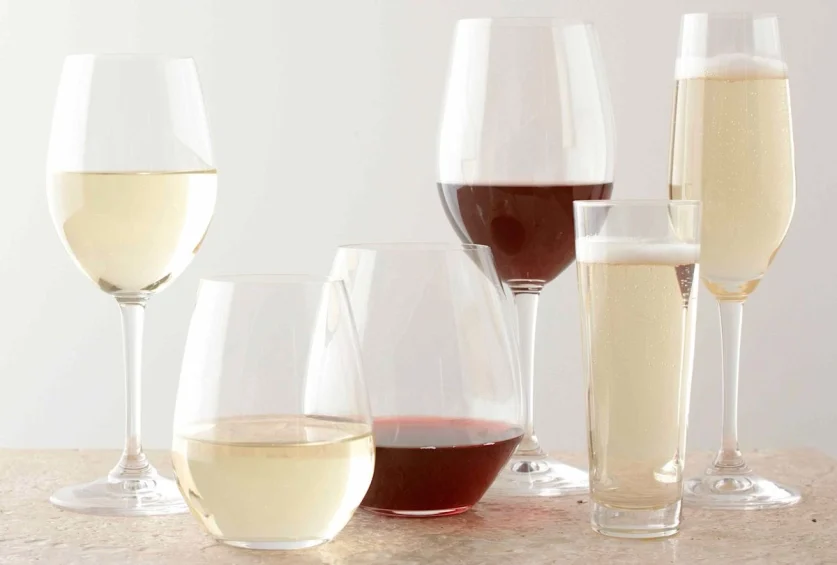
Wine glasses can influence how a wine smells and tastes. A well-chosen glass gives aromas room to gather, lets the wine meet your palate properly, and can help preserve its temperature. The goal isn’t to buy the most expensive set—it’s to choose a shape and material that suit the occasion.
Five wine-glass mistakes to avoid
1. Choosing a glass that’s too small
Wine needs room to breathe and release its aromas. Pour about 4 to 5 ounces, leaving the wine roughly one-third of the way up the bowl. That leaves space to swirl without spilling and allows aromas to collect.
2. Using stemless glasses for every occasion
Stemmed glasses help keep wine at its intended temperature by keeping your hand away from the bowl. Stemless glasses still work well for casual gatherings, outdoor events, and situations where sturdiness or storage space matters. They can also help warm wine that has been chilled too much.
3. Serving sparkling wine only in a flute
Flutes show off bubbles, but their narrow shape can mute sparkling wine’s aromas and complexity. For a more expressive pour, try a tulip-shaped sparkling-wine glass, a white-wine glass, or a coupe. Flutes remain a good choice for celebratory toasts.
4. Buying a large, specialized set
Most people don’t need a different glass for every kind of wine. A medium-sized, stemmed glass is a practical all-purpose choice. If you want to add more options, consider a larger bowl for full-bodied reds and a tulip-shaped glass for aromatic whites and sparkling wines.
5. Overlooking the glass’s material and thickness
A thin rim generally allows wine to flow more smoothly. Crystal offers clarity and elegance, though it can be delicate and may need hand washing. Regular glass is usually more affordable and durable, while plastic or acrylic is best reserved for casual outdoor occasions.
Ultimately, the right glass can help a wine show more of its character—without requiring you to spend more on the bottle.
The Beloved American Beer Brand That Went National After 150 Years
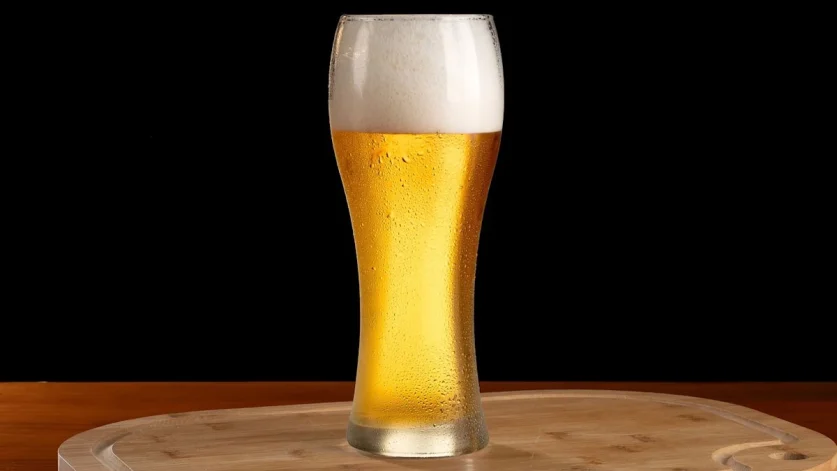
Leinenkugel’s Original has a devoted following in Wisconsin and across the upper Midwest, where the beer is often affectionately called “Leinie’s.” First brewed in 1867, the classic pilsner became available nationwide in 2017, 150 years after the Jacob Leinenkugel Brewing Company was founded.
To mark the anniversary, the brewery released a Fall Explorer pack featuring a Vienna-style lager and two German Märzen beers. The collection reflected the brand’s Bavarian roots and was made at the Chippewa Falls brewery, where founder Jacob Leinenkugel once sent beer to nearby saloons by horse-drawn wagon. Molson Coors later turned the historic site into a pilot brewery in 2025, while Leinenkugel’s Original remained on sale nationwide.
The brand’s expansion beyond the Midwest began earlier, with the success of Summer Shandy. Inspired by German radlers—beer mixed with lemonade or lemon-lime soda—the seasonal beer went national in 2010.
What Leinenkugel’s Original tastes like
The lager is a straightforward, easy-drinking beer, with mild malt sweetness, toasted-grain notes, and a clean finish. One reviewer described it as a dependable, unpretentious beer that goes down easily.
Leinenkugel’s recommends pairing it with bratwurst and sauerkraut, cheese curds, or cherry pie. Its crispness also works well with fried, salty foods, making it a natural choice for a casual meal or cookout. It can even be used in a Michelada, where its light malt flavor complements lime and hot sauce.
Sacramento Kings Partner with Aspen Vodka to Serve a Custom Game-Day Cocktail
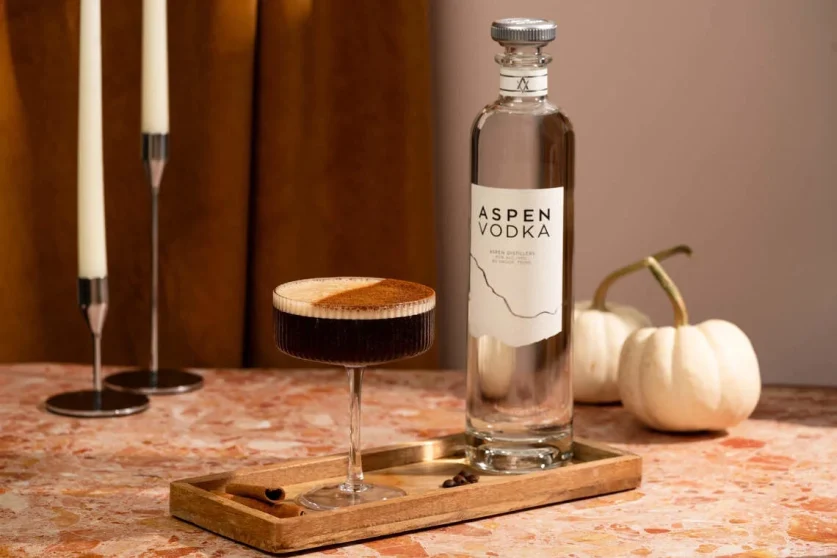
Sacramento Kings fans can order a custom espresso martini from Aspen Vodka-branded carts at Golden 1 Center during games.
Aspen Vodka became the official spirits partner of the Kings and Golden 1 Center through a multi-year partnership announced earlier this year. The companies cited their shared focus on environmental stewardship: both the vodka’s production facility and the arena are LEED Platinum-certified.
Aspen Vodka is available through the brand’s website and at local Total Wine & More stores, where it is listed for $21.99.
Fans can also make the drink at home:
Ingredients
- 2 oz Aspen Vodka
- ½ oz coffee liqueur
- 1 oz freshly brewed espresso
- ¼ oz simple syrup
- Optional: coffee beans or cinnamon, for garnish
Instructions
- Add the vodka, coffee liqueur, espresso and simple syrup to a shaker filled with ice.
- Shake until well chilled, then strain into a chilled martini glass.
- Garnish with coffee beans or cinnamon, if desired.