November 2026 12
11 Best Whiskey Cocktails to Make This Holiday Season
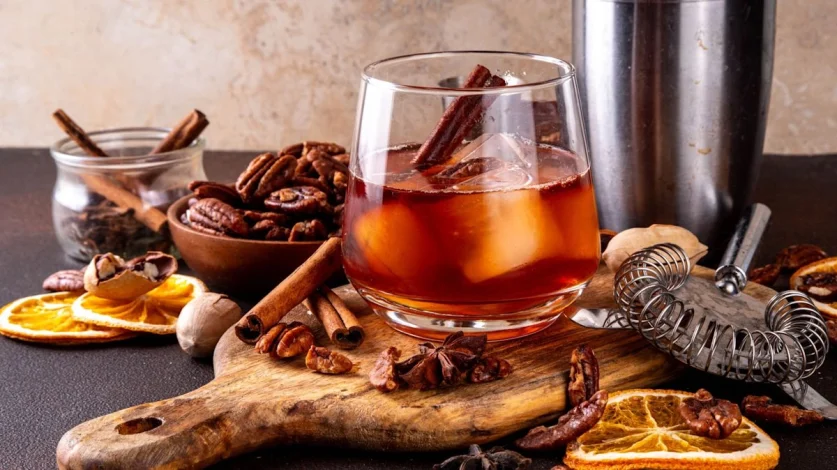
Holiday whiskey cocktails can range from rich and warming to tart and spirit-forward. These 11 ideas pair familiar whiskey drinks with seasonal flavors, offering options for everything from a casual evening at home to a festive gathering.
Hot toddy
A hot toddy combines whiskey with hot water, freshly squeezed lemon juice, and honey or another sweetener. Cinnamon, cloves, star anise, or a splash of allspice liqueur can add extra warmth. It’s a straightforward choice for guests coming in from the cold or for a cozy after-dinner drink.
Bourbon eggnog
Eggnog is a holiday staple that’s easy to spike with bourbon. For a quick version, stir a 2-ounce pour of bourbon into each 5-ounce serving of store-bought eggnog and finish with grated nutmeg. A little maple syrup adds another seasonal note.
For a homemade batch, whisk egg yolks and sugar with milk, cream, and spices, then heat until thickened. Bourbon can be mixed into the full batch or added to individual servings, making it easy to offer an alcohol-free option too.
Hot buttered whiskey
This rich winter drink starts with a mixture of unsalted butter, brown sugar, and spices such as cinnamon, nutmeg, cloves, or allspice. Stir a spoonful of the mixture into whiskey and hot water until the butter melts. A cinnamon stick makes a fitting garnish.
Bourbon adds sweetness, rye brings more spice, and Scotch can contribute smoky notes. The butter mixture can also be made ahead and refrigerated.
Cranberry whiskey sour
A cranberry whiskey sour puts a seasonal spin on the classic combination of whiskey, lemon juice, and sugar or simple syrup. Add cranberry juice or use cranberry syrup in place of plain syrup. The fruit’s tartness suits the drink’s sour profile and keeps it from becoming too sweet.
Bourbon, rye, and Irish whiskey all work well. Scotch can also be used, though a heavily peated style may overpower the other flavors. Egg white or aquafaba is optional for a foamy finish.
Maple old fashioned
In this variation on the classic old fashioned, maple syrup replaces the sugar, while orange bitters bring a bright, seasonal touch. Bourbon works particularly well, though a bourbon-and-rye blend can make the drink more balanced.
It remains a whiskey-forward cocktail, making it a good fit for guests who enjoy strong, spirit-led drinks.
Gingerbread Manhattan
A gingerbread Manhattan combines the character of a classic Manhattan with the warmth of ginger and baking spices. Bourbon is often used for its vanilla and sweet-spice notes, though recipes vary: some keep vermouth, while others use an amaro.
Gingerbread bitters or ginger syrup can supply the ginger flavor, with cinnamon and allspice adding extra depth. The result is festive without losing the cocktail’s elegant, boozy feel.
Alpine old fashioned
For a less conventional seasonal drink, an Alpine old fashioned pairs rye whiskey with pine liqueur and Génépy, an herbal liqueur associated with the Alps. The pine and green, vegetal flavors evoke a wintry mountain setting rather than the familiar sweetness of cinnamon or ginger.
Whiskey Mac
The Whiskey Mac is made with just two ingredients: whiskey and ginger wine. The usual approach is to combine equal parts, though the proportions can be adjusted to make the drink stronger or sweeter. Blended Scotch is a practical choice, but bourbon and single malt can work too.
For a warmer version, add hot water. It’s a simple option when you want to serve guests without spending the evening mixing complicated drinks.
Apple cider whiskey smash
Shake apple cider, whiskey, and lemon juice with ice, then serve over fresh ice. Lemon helps balance the cider’s sweetness. A pinch of pumpkin pie spice or a cinnamon stick can add more fall-and-winter character.
Rye brings a spicy edge, while bourbon complements the apple with added sweetness. Store-bought cider works well, though homemade cider can make the drink feel more special.
Weathered axe
The weathered axe is a less familiar cocktail that mixes whiskey with ginger syrup, lemon juice, and triple sec. Some versions also use quinquina or vermouth. The combination of ginger, orange, and lemon gives it a seasonal feel without making it overtly holiday-themed.
Bourbon is a classic choice, but Scotch, Irish whiskey, and rye can also work. Shake the ingredients and serve over ice.
Winter old fashioned
This whiskey-forward variation replaces the usual sugar with allspice dram, a sweet liqueur made with allspice berries. Bourbon is often used to reinforce the drink’s softer, sweeter notes.
It’s a restrained way to bring seasonal spice to an old fashioned—well suited to those who prefer a boozy cocktail without a showy garnish.
Navy-Strength Rum to Commemorate USS Silversides’ Return

A Muskegon distillery is releasing a limited-edition rum in honor of the USS Silversides’ return to the city after a rare trip across Lake Michigan.
Wonderland Distilling Co. and the USS Silversides Submarine Museum created SS-236 Navy Strength Rum, named for the submarine’s hull number. The rum is 55% alcohol by volume, a nod to the traditional strength of rum rations once issued to sailors. The practice had ended in the U.S. by the time the Silversides was built, though it continued elsewhere.
The rum is set to debut at noon on Nov. 21 at Wonderland’s cocktail bar in Muskegon.
The Silversides was one of the most successful U.S. submarines in World War II. It sank 23 Japanese ships, damaged several others, destroyed 16 sea mines and rescued two downed pilots. The submarine has served as a museum in Muskegon since 1987.
It recently returned from a $3.5 million historic preservation project and is expected to reopen to visitors on Nov. 7. Wonderland co-founder Allen Serio said the rum was created as a tribute to the submarine, its crew and the community preserving its legacy.
Beer Date Codes Aren’t as Simple as Expiration Dates
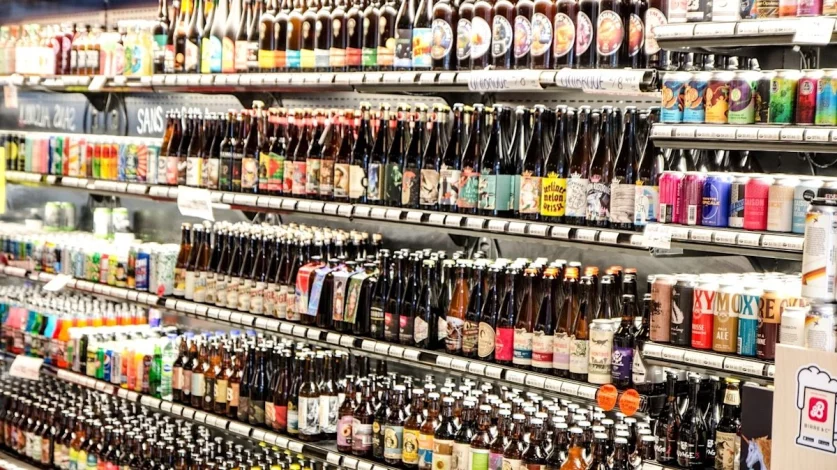
Beer date codes can be harder to interpret than ordinary expiration dates. They aren’t standardized: some breweries print a “best by” date, others use a “born on” date, and some include both.
A “best by” date estimates when a beer may begin to lose flavor; it generally isn’t the same as a safety expiration date. A “born on” date tells you when the beer was packaged. For the freshest taste, look for the most recent packaging date. It can also help if you’re aging beer, since different styles change over time in different ways.
Date formats vary
In the U.S., dates may appear as month/day/year, such as 01/12/2026 for January 12. Some breweries spell out the month in a code like JAN1226. Elsewhere, day/month/year is common, so the same numbers could mean December 1. Some producers use year/month/day instead, and a brand’s format can vary depending on where the beer was made.
Other breweries use Julian-style dates, which identify the day of the year. For example, 032 means the 32nd day, or February 1. The year may be included in several different ways, so codes such as 26032, 6032, or 03226 can all refer to February 1, 2026. Lagunitas separates the day and year in its “born on” code: 032 6 also means February 1, 2026.
Some codes need extra decoding
Certain breweries use their own systems. Weihenstephaner, for example, uses a four-digit code that combines the final digit of the day, the week number, and the last digit of the year. A code of 1106 could indicate a best-by date of March 1, 2026, if the beer was brewed within the past decade.
Guinness uses a longer code, but its first five characters can help identify the production date. A code beginning with L indicates a lot number. The next four digits give a Julian date, with the first digit representing the final digit of the year. For instance, L6059GH005 suggests production on the 59th day of 2026, or February 28.
Decoding can be further complicated when breweries change their systems. Anheuser-Busch InBev, for example, has updated its codes over time, which means online guides may not always be current. If a date is unclear, contacting the brewery is likely the most reliable way to interpret it.
STATESIDE VODKA Ushers In a New Era With “The New American Classic”
Philadelphia-based Stateside Brands has launched “The New American Classic,” a campaign giving its flagship Stateside Vodka a refreshed identity ahead of the holiday season. The campaign presents the brand through a modern Americana lens, emphasizing timeless style, confidence and everyday celebrations.
The updated branding and packaging were developed in-house, with the campaign created alongside Philadelphia agency Quaker City Mercantile. Set across the city, it spotlights settings such as neighborhood bars, tailgates, holiday gatherings and get-togethers with friends. The refreshed look also extends to a clothing collection featuring hats, T-shirts, hoodies and rugby shirts.
Founded in Philadelphia in 2015 by brothers Matt and Bryan Quigley and Clement and Zach Pappas, Stateside Vodka was created to challenge established premium American vodka brands. The company says the spirit retains its smooth character and clean finish, now at a more accessible price.
The campaign marks a new chapter for the brand after strong growth in Stateside Brands’ ready-to-drink portfolio. Its Surfside vodka-based iced teas and lemonades recorded 11.1 million case depletions in 2025. Super Lyte’s Hard Ade launch in March 2026 was described by the company as the largest spirits RTD launch of all time.
Stateside Vodka can be served neat or on the rocks, and used in cocktails such as a Vodka Martini, Moscow Mule or Espresso Martini. It is available in 36 U.S. markets, with a suggested retail price of $20 for a 750-milliliter bottle. Distribution is expanding nationwide.
The brand is also connected to Philadelphia through Stateside Live!, its role as the Official Vodka of the Philadelphia Phillies, and its partnership with the New York Yankees. Visitors can explore the Stateside Distillery and Vodka Bar & Tasting Room in the city’s Fishtown neighborhood.
More information is available at StatesideVodka.com.
Bevineau Inc. Launches Ponder Wine, a New Platform for Discovering Vineyards and Wineries

Bevineau Inc. has expanded Ponder Wine, a platform designed to help wine enthusiasts find vineyards, wineries and wine-producing regions around the world.
The platform brings vineyard and winery locations together in an interactive database, pairing geographic exploration with information to help visitors plan trips and identify less-busy times to go. Bevineau says its goal is to include properties that may be overlooked by traditional searches, including places with little online presence.
To build its growing database, the company uses publicly available information and geographic data to identify and organize viticulture-related locations. The approach was shaped in part by the discovery of a vineyard that had almost no conventional digital footprint. Research into the property revealed circumstances that affected its ability to operate like a traditional winery.
Ponder Wine’s updated interface is designed to give users a broad view of vineyard landscapes while providing details about individual locations. Bevineau says it is aiming to make the platform straightforward for both casual travelers planning a weekend away and wine enthusiasts seeking lesser-known producers and destinations.
The company plans to continue expanding Ponder Wine over the next six to 12 months, with the broader ambition of developing tools for people across the viticulture industry—not only consumers planning winery visits.
Learn more about Ponder Wine or read the original press release.
Craft Beer, Vol. 36: Why Support Beer You Can’t Drink Yet? Japanese Craft Beer and Crowdfunding
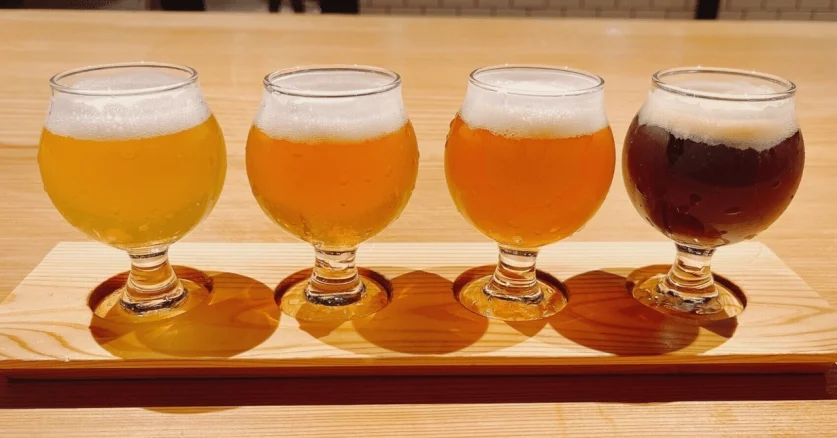
Some people contribute to a brewery before its beer is ready. Others look forward to visiting a place that has yet to be built. Craft beer crowdfunding brings these people together with businesses still taking shape.
The support raised can help make a brewery or taproom possible, but it also reflects relationships, promises, and the work needed to turn an idea into a lasting business.
1. A campaign target isn’t the same as the cost of opening
Kurikoma Yama Beer set out to build a brewery in a former tofu shop in Kurihara, Miyagi Prefecture. Its campaign ran from July to August 2024, raising ¥5,656,500 from 498 supporters against a ¥1 million target. The project estimated that equipment and renovations would cost about ¥15 million, with loans expected to cover part of the gap.[1]
A campaign’s achievement rate does not show whether a business has raised everything it needs. To understand what the support makes possible, it is important to know which costs it covers and how the rest of the project will be financed.
2. Support often begins before the campaign
In an interview with CAMPFIRE, project lead Daiki Miura said that acquaintances made up 90% of Kurikoma Yama Beer’s supporters. The most popular reward was a “name support” option that did not include beer. He also described meeting people in person, sharing the project on social media, and distributing flyers.[2]
This is one project’s experience, not a measure of the industry as a whole. Still, it shows how support can grow before a campaign goes live. People who know the brewer, have seen their work, or have heard about their plans may be willing to contribute before they have tasted the beer.
Crowdfunding can turn that trust into a first step for a new business.
3. Established breweries also ask for support
Crowdfunding can help existing businesses take their next step, too. In 2023, Yokohama Beer raised ¥8.55 million from 409 supporters to renovate its main restaurant ahead of its 25th anniversary, surpassing its ¥5 million target. The plans included a redesigned exterior and terrace, as well as a space that would bring visitors closer to the brewing equipment.[3]
For a new brewery, supporters may be drawn to the possibility of a place they have not yet visited. For an established one, they may want to improve somewhere they already enjoy. In either case, contributing gives customers a chance to take part in what comes next.
4. How much remains after fees and rewards?
The total raised is only part of the picture. Campaign fees and the cost of producing and delivering rewards also need to be considered.
CAMPFIRE’s basic plan, according to its guidance checked in October 2026, charges a combined service and payment-processing fee of 17%, or 18.7% including tax. Fees vary by plan.[4]
Here is a simplified hypothetical example:
| Item | Amount |
|---|---|
| Total contributions | ¥3,000,000 |
| Fees at 18.7% | −¥561,000 |
| Reward production costs | −¥900,000 |
| Packing and shipping | −¥300,000 |
| Remaining after these costs | ¥1,239,000 |
The remaining amount is not profit. Equipment, renovation, advertising, labor, taxes, and other business costs would still need to be covered. And as the number of supporters grows, so can the amount of production, packing, and shipping work.
A realistic target should account for both the needs of the business and the cost of fulfilling its rewards.
5. The funding model affects what you promise
CAMPFIRE offers two campaign formats. With All-or-Nothing, the campaign succeeds only if it reaches its target; otherwise, contributions are canceled and refunded. With All-in, the project can keep the money raised even if it misses the target, but it must still proceed and fulfill its rewards.[5]
If a brewery needs a particular amount to buy equipment, it should explain what can be done with the money raised and how any shortfall will be handled. Can the project make up the difference through other funding? Could it adjust its scope and still deliver what it promised?
Choosing a funding model and preparing appealing rewards are both part of deciding what the project can responsibly commit to.
6. Trust-building continues after the campaign
In a November 2023 update, Yokohama Beer explained that its planned renovation schedule had changed. It also shared information about how the funds would be used and when rewards—including a special beer—would be shipped.[6] The restaurant, UMAYA, later reopened on January 13, 2024.[7]
Progress updates help supporters follow a project from its initial proposal to the finished place. If plans change, people need to know what has changed and when they can expect further news.
The relationship does not end when fundraising closes. Clear communication after the campaign can shape whether supporters return to visit, make future purchases, or continue to feel connected to the business.
7. The work of connecting support to a business
Crowdfunding also creates work that brewers may need help with: estimating campaign costs, checking the margins on each reward, preparing photos and copy, coordinating shipping, and editing progress reports.
For example, adding a reward can affect production volumes, packaging, shipping costs, and delivery dates. Turning informal updates from the brewery into clear, useful reports can also reduce the time brewers spend on administrative tasks.
Success is about more than the amount raised. It can also be measured by the money left after expenses, whether rewards are delivered as promised, and whether supporters return after the brewery or restaurant opens. There is a long road between a single contribution and a business people choose again and again.
Before a brewery can open, it needs equipment—and people willing to believe in it before the first glass is poured. Crowdfunding can bring those things together. Its lasting value lies in whether the connection it creates continues long after the campaign ends.
Hera the Dog Vodka Should Have Been Named Hera the Cat

Hera the Dog Vodka began with years of animal-rescue work—and a misunderstanding over a cat’s name.
After trying different ways to raise money for animal organizations, including selling T-shirts at heavy-metal concerts, Julia Pennington began exploring a spirits business with her nephew, who owns a distillery. The idea took shape in 2016, and after two years of development, the vodka was ready to launch in 2018.
The name came about while Pennington was feeding a cat colony in California. A friend suggested “Hair of the Dog,” but Pennington misheard the phrase and thought her friend was talking about Hera, her cat. The confusion inspired the brand’s name.
The vodka is made from organic, non-GMO Italian red winter wheat. It is distilled seven times, filtered through coconut charcoal, and produced in small batches at an independent distillery in downtown Los Angeles. Each bottle is 40% alcohol by volume and sells for about $28.99.
Pennington’s husband, Jeff Blyseth, and his team at Axis Studios designed the dog illustration on the bottle. Pennington says the image shows a dog watching over Los Angeles as a protector of animals—a tribute to a local park where she spent considerable time rescuing abandoned animals.
The vodka has received several industry honors, including a double-gold award at the 2024 SIP Awards. But Pennington says its impact on animal welfare matters most. The company donates 6% of each bottle’s proceeds to animal-rescue groups and spay-and-neuter programs in the area where the bottle is purchased. By October 2026, it had contributed $72,000 to grassroots organizations.
The support is intended for animals of all kinds, not just dogs. At home, Pennington and Blyseth care for 13 cats and three dogs. Two cats and all three dogs are foster animals waiting for homes. They have also rehabilitated and released three opossums, which still visit nightly.
A cocktail Pennington recommends is a dirty martini made with 2 ounces of Hera The Dog Vodka, ½ ounce of extra-dry vermouth, and ½ ounce of olive juice. Chill with ice, strain into a chilled glass, and garnish with olives.
King Charles Tries a Shot of Rum—Watch His Reaction

King Charles was caught off guard after tasting a limited-edition rum created in his honour during his visit to Guyana.
The King was offered a glass of “Royal Welcome” rum on Thursday, the first day of his two-day trip to the South American country. The spirit was produced by Banks DIH to mark his state visit.
Before trying it, Charles asked nearby guests whether they drank rum and joked about “endless rum punches at the end of the day”. He smelled the drink, took a sip, raised his eyebrows and pulled a surprised face before saying: “Very good”.
President Mohamed Irfaan Ali encouraged him to finish it, but Charles seemed wary of drinking too much while on duty. “It won’t last long,” he said, taking another sip, before turning to an aide and appearing to say, “I can’t drink it.”
He then thanked his hosts and joked that somebody else would have to finish the glass. The King added that it was “a great pick-me-up”, recalling a saying attributed to his grandmother, the Queen Mother.
Banks DIH rum plant executive Gregory Garraway said the rum was more than 20 years old and had been made especially for the occasion. He described it as smooth, rich and flavourful.
Charles arrived in Guyana from the Bahamas as part of a nine-day Caribbean tour, which is due to end in Antigua and Barbuda, where he will reunite with Queen Camilla. The visit celebrates Guyana’s culture and people as the country marks 60 years of independence from Britain. It also comes amid calls from Caribbean nations for an apology and reparations for Britain’s role in the transatlantic slave trade.
New Research Makes the Case for Rethinking How We Judge Red Wine
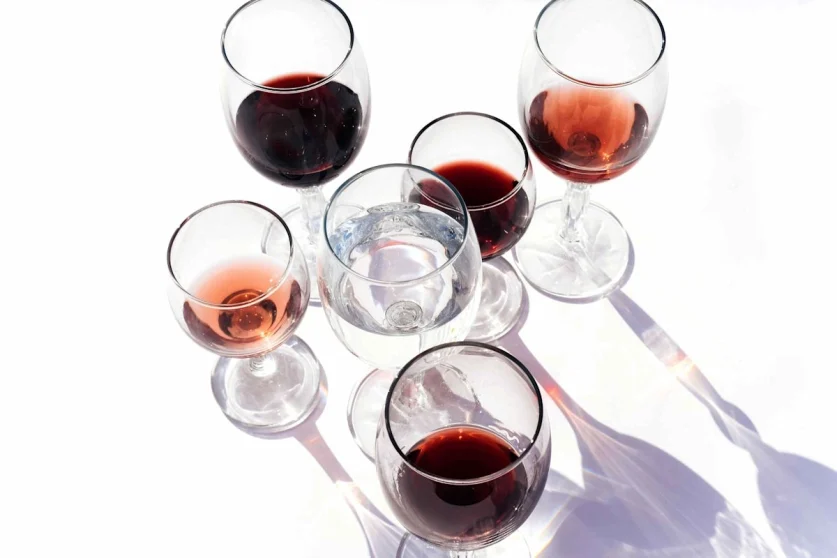
A wine’s deep red color may create high expectations, but it doesn’t necessarily mean you’ll enjoy the taste more. A Cornell-led study found that appearance influenced what people expected from a wine far more than how much they liked it after tasting.
Published in the American Journal of Enology and Viticulture, the study asked 82 regular red-wine drinkers to assess eight unidentified wines: three Pinot Noirs and five made from hybrid grape varieties. Participants first rated each wine’s color and how much they expected to enjoy it, then tasted the wines and rated their actual enjoyment.
Some hybrid wines looked as appealing to participants as Pinot Noirs from Burgundy, Oregon, and New York’s Finger Lakes. Lighter wines, including some with yellow or brown tones, generally received lower appearance ratings and prompted lower expectations. Yet color was only a weak indicator of how much participants ultimately liked a wine.
The results may reassure growers making wines from interspecific hybrid grapes—crosses between species in the Vitis genus. Varieties such as Marquette and Maréchal Foch can produce lighter-colored wines, which some producers worry consumers will reject based on appearance alone.
Hybrid grapes may also help vineyards respond to climate change. Depending on the variety, they can offer greater cold hardiness, resistance to certain fungal diseases, or tolerance for heat and drought—useful traits as growing conditions become more difficult for traditional varieties such as Chardonnay, Cabernet Sauvignon, and Merlot.
Wine director Nicole Sullivan says lighter-colored reds can surprise restaurant guests. She finds that explaining a wine’s producer and style often helps guests move past their initial expectations. A little context, the study suggests, may be enough to encourage drinkers to judge a red by its taste rather than its shade.
Are You Using the Wrong Wine Glass? 5 Simple Tips to Make Wine Taste Better
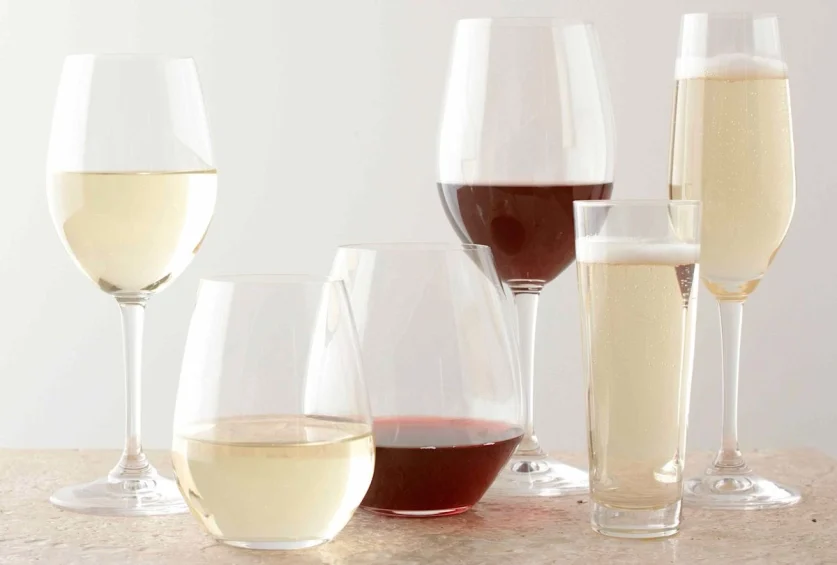
Wine glasses can influence how a wine smells and tastes. A well-chosen glass gives aromas room to gather, lets the wine meet your palate properly, and can help preserve its temperature. The goal isn’t to buy the most expensive set—it’s to choose a shape and material that suit the occasion.
Five wine-glass mistakes to avoid
1. Choosing a glass that’s too small
Wine needs room to breathe and release its aromas. Pour about 4 to 5 ounces, leaving the wine roughly one-third of the way up the bowl. That leaves space to swirl without spilling and allows aromas to collect.
2. Using stemless glasses for every occasion
Stemmed glasses help keep wine at its intended temperature by keeping your hand away from the bowl. Stemless glasses still work well for casual gatherings, outdoor events, and situations where sturdiness or storage space matters. They can also help warm wine that has been chilled too much.
3. Serving sparkling wine only in a flute
Flutes show off bubbles, but their narrow shape can mute sparkling wine’s aromas and complexity. For a more expressive pour, try a tulip-shaped sparkling-wine glass, a white-wine glass, or a coupe. Flutes remain a good choice for celebratory toasts.
4. Buying a large, specialized set
Most people don’t need a different glass for every kind of wine. A medium-sized, stemmed glass is a practical all-purpose choice. If you want to add more options, consider a larger bowl for full-bodied reds and a tulip-shaped glass for aromatic whites and sparkling wines.
5. Overlooking the glass’s material and thickness
A thin rim generally allows wine to flow more smoothly. Crystal offers clarity and elegance, though it can be delicate and may need hand washing. Regular glass is usually more affordable and durable, while plastic or acrylic is best reserved for casual outdoor occasions.
Ultimately, the right glass can help a wine show more of its character—without requiring you to spend more on the bottle.