June 2026 86
Introducing a New Cross-Cultural Whiskey: Bridging the Flavors of China and Kentucky
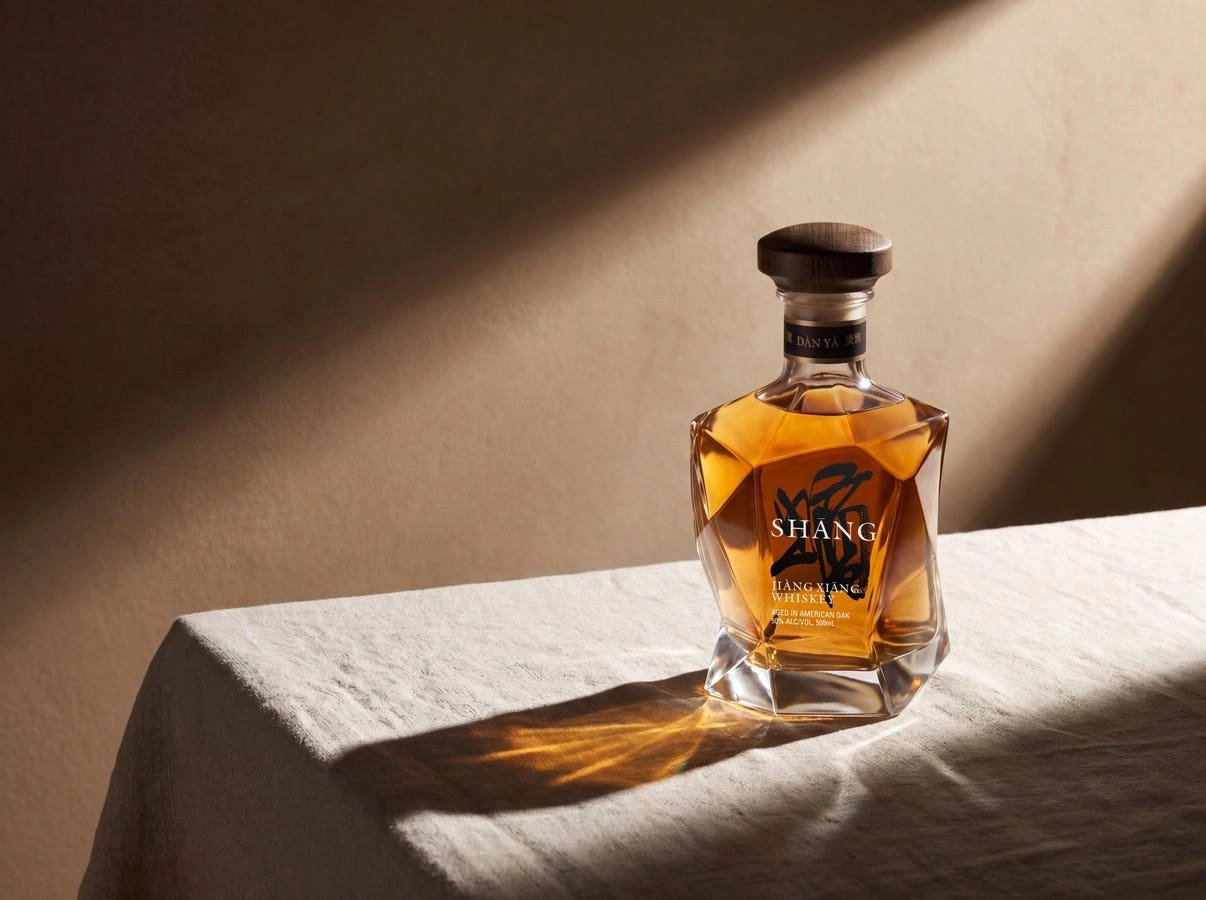
On June 15, True Essence Foods and Guizhou Guotai Liquor Group launched a joint venture named Maritine Brands, introducing a new sauce-aroma baijiu product called Shāng. Founded by food technology entrepreneur Matt Rubin, True Essence Foods focuses on innovative food methods, while Guotai specializes in baijiu, China’s national spirit, which is the world’s most consumed liquor by volume.
Rubin has traveled extensively throughout China, especially in lesser-known areas, including the Guizhou province, where Guotai’s distillery is located. There, they aim to modernize baijiu production, integrating advanced automation comparable to top U.S. food production facilities. Together, they developed Shāng, which undergoes distillation and aging in China before being redistilled to create a whiskey base that is then matured in American oak barrels in Kentucky.
The new brand will feature two products: Dàn Yǎ, aged in charred American oak for one month to a year, and Shāng East + West, a blend of jiàngxiāng whiskey and American red sorghum whiskey.
Rubin believes Shāng can appeal to younger consumers in both China and the U.S. As interest in Western spirits grows in China, younger people are looking for innovative options beyond traditional baijiu. In the American market, there is an increasing demand for unique flavors, including Asian-inspired beverages.
Nonetheless, introducing the new category, termed “jiàngxiāng whiskey,” presents challenges. With both baijiu and bourbon facing declining sales, Rubin aims to fill the gap and educate consumers about the complex flavors of baijiu. The product captures the essence of baijiu and presents it in a way palatable to a Western audience.
Shāng will be available for pre-order online at shangwhiskey.com. Dàn Yǎ is priced at $64.99 for a 500mL bottle, while Shāng East + West will retail for $45.99.
The Ultimate Guide to Pairing Cocktails with Food: From Brunch to Dessert
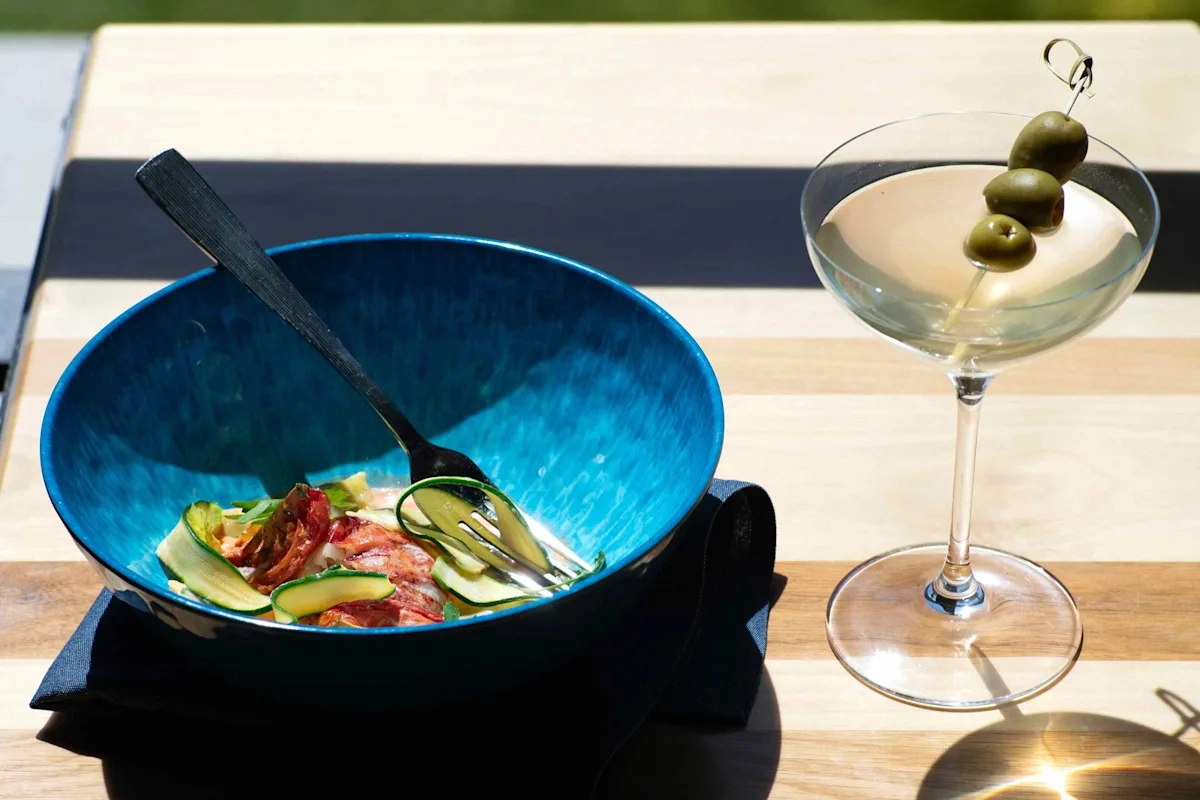
Cocktail pairing has evolved significantly, moving from a simple pre- or post-dinner format to a more integrated dining experience. Chefs and bartenders now explore combinations of food and cocktails much like they do with wine, emphasizing balance and contrast. Lynnette Marrero, an award-winning bartender and cofounder of the mixology competition Speed Rack, offers insights into the art of pairing cocktails with various cuisines.
Key Principles of Pairing
-
Contrast is Key: Marrero states that cocktails should complement dishes by creating contrasts rather than matching them directly. For example, salty foods pair well with sweet cocktails, and acidic cocktails can balance rich, fatty dishes.
-
Spirit Pairings: Choosing the right spirit is crucial. Gin, with its botanical flavors, must be paired carefully, with an eye to the specific seasonings of a dish. Citrus-forward gins, for instance, work well with a variety of foods, while bolder botanicals require more thoughtful combinations.
Unexpected Combinations
Marrero suggests some unique pairings:
- Prosciutto and melon with a Last Word cocktail (equal parts gin, lime juice, maraschino liqueur, and Chartreuse).
- Sushi is enhanced by a French 75, which includes gin or Cognac, fresh lemon juice, and sparkling wine.
- Fish and caviar pair excellently with agave-based cocktails.
- Dessert options include a rich chocolate dish with a smoky mezcal cocktail.
Breakfast and Lunch Pairings
Beyond the usual suspects like Bloody Marys, Marrero encourages creativity with cocktails at breakfast and lunch. Experimentation within traditional templates can lead to exciting combinations, such as using green juices instead of tomato juice in Marys.
Optimizing Cocktail Prep for Dinner Parties
For those hosting multicourse meals, Marrero advocates pre-batching cocktails. This approach allows for seamless entertaining. Cocktails like Martinis, Manhattans, and Negronis can be prepared in bulk and chilled, with fresh elements added right before serving.
Non-Alcoholic Options
The popularity of zero-proof cocktails is on the rise, offering complex flavor profiles comparable to alcoholic beverages. Marrero suggests using strong herbal teas to build intricate flavors in non-alcoholic cocktails.
For more detailed advice on pairing cocktails and food, as well as specific drink recommendations, explore Marrero’s expertise.
For further resources, check:
Seiveright Highlights Jamaican Rum as a Key Economic Powerhouse
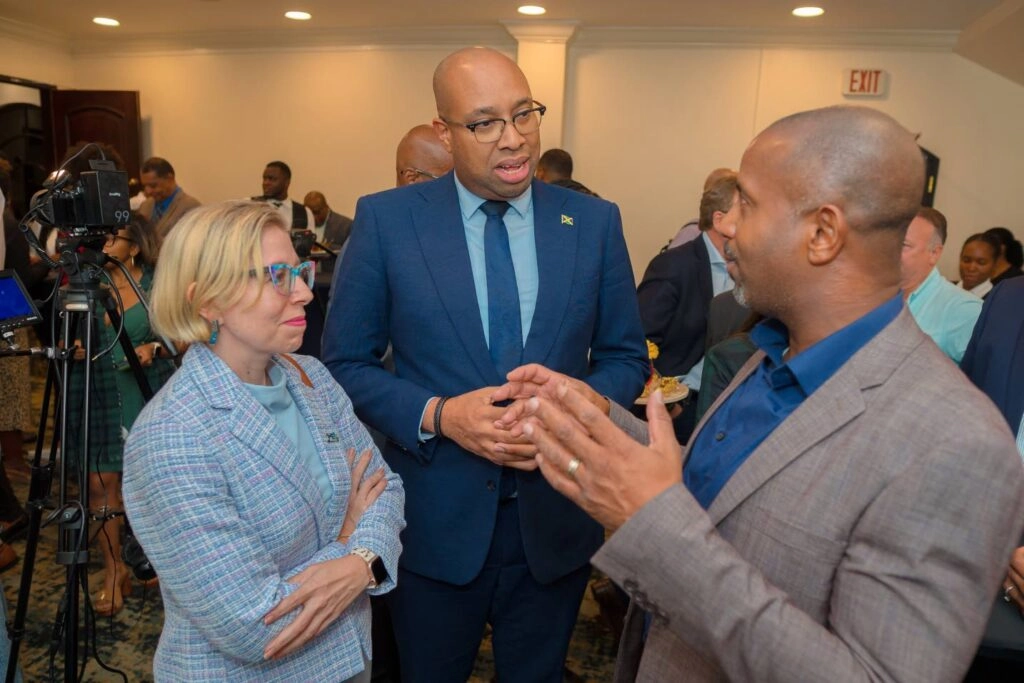
Minister of State in the Ministry of Industry, Investment and Commerce Delano Seiveright has emphasized the importance of recognizing Jamaica’s rum industry as a vital component of economic development, referring to it as a strategic pillar in areas such as growth, exports, manufacturing, and tourism.
Speaking at the West Indies Rum and Spirits Producers’ Association (WIRSPA) and Spirits Pool Association cocktail reception at the Courtleigh Hotel & Suites in New Kingston, Seiveright pointed out that Jamaican rum is not only a significant brand recognized globally but also a substantial source of foreign exchange.
“Too often, rum is perceived merely as a beverage. The government views it in a much broader context,” he stated, reflecting on the various sectors tied to the rum industry, including agriculture, manufacturing, and rural job creation. He noted that rum exports contributed approximately US$57 million in 2024, underscoring the industry’s role in the national economy.
Seiveright also highlighted the necessity of protecting Jamaica’s rum through geographical indication (GI) frameworks. This measure ensures that processes such as aging, bottling, and quality control are retained within Jamaica, thus enhancing economic development.
Addressing concerns raised by manufacturers about taxation and competitiveness during the event, Seiveright acknowledged the fiscal challenges posed by Hurricane Melissa, which caused widespread damage around Jamaica. He stressed the need to balance the country’s competitiveness with the urgency of rebuilding infrastructure.
WIRSPA Chairman Clement “Jimmy” Lawrence raised additional concerns about maintaining Caribbean competitiveness amid uncertainties in the global trade landscape. He emphasized the importance of discussions focused on trade, market access, and regulatory developments that affect Caribbean exporters.
During the evening, Dr. Joy Spence, an internationally acclaimed Master Blender, received a special award for her contributions to Jamaica and Caribbean rum. In her acceptance speech, she praised the efforts of WIRSPA in elevating Caribbean products on the global stage and highlighted the cultural significance of Jamaican rum.
In conclusion, the evening underscored the vital role of the rum industry not only as a significant economic driver but also as an integral part of Jamaica’s cultural identity.
The Price Shift: Comparing 6-Pack Beer Costs from the 1970s to the 2020s
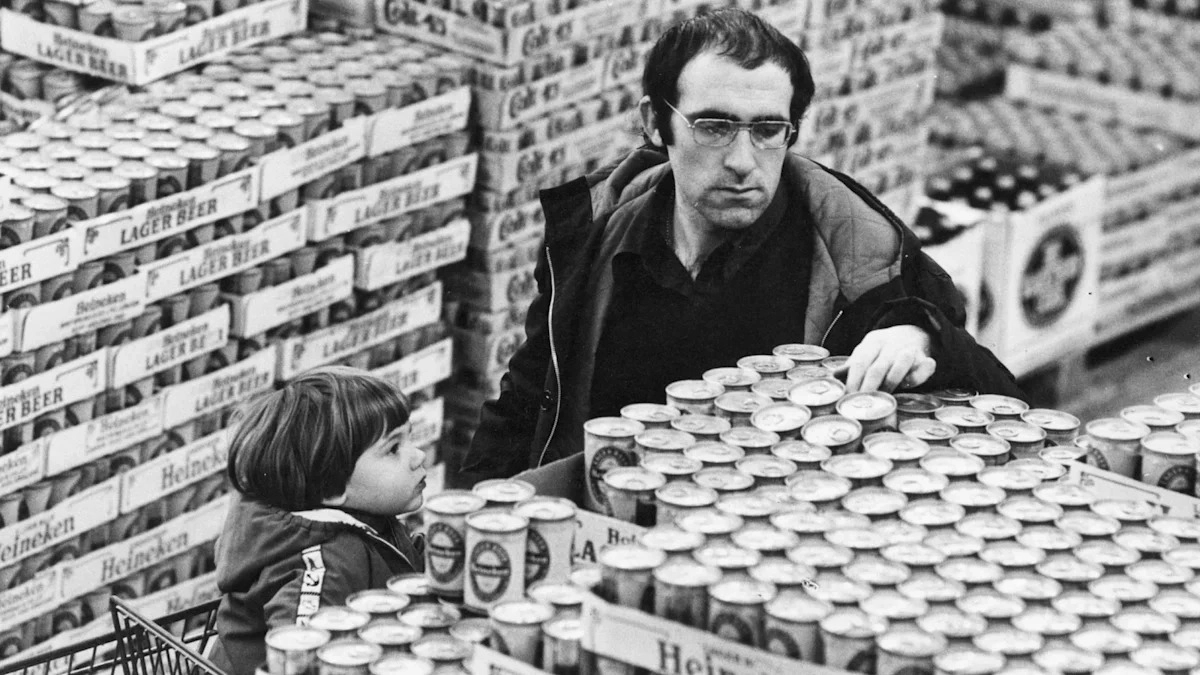
As grocery prices continue to rise dramatically, many American consumers are curious about how this trend affects their favorite beverages, specifically beer prices over the decades. The beer market has transformed significantly from the 1970s to the 2020s, shifting from a few dominant brands like Budweiser, Miller High Life, and Coors to a plethora of craft beer options.
In the 1970s, shoppers at the Albany Public Market in New York would find a six-pack of Miller High Life for $0.99 in June and Budweiser even cheaper at $0.89 in March. Fast forward to today, prices have escalated markedly. A six-pack of Miller High Life now costs around $5.99, a 600% increase (though the current cans are larger at 16 ounces instead of 12). Budweiser’s price is harder to compare directly as six-packs have largely fallen out of favor; currently, a 12-pack of Budweiser retails for about $13.99, equating to nearly $7 for six cans, representing an increase of roughly 800%.
Understanding these price changes in the context of inflation reveals a more nuanced picture. The Bureau of Labor Statistics estimates the buying power of $1 in 1970 to be approximately $8.60 today. Thus, while beer prices have indeed risen, they have done so at a slower rate than general inflation, suggesting that modern beer prices are comparable to those from the 1970s when adjusted for inflation.
The reason behind beer prices not keeping pace with inflation relates to the economics of beer production. Major beer producers have optimized their processes, allowing them to reduce costs via bulk ingredient purchases and efficient packaging. This stability in large-scale brewing keeps prices lower. In contrast, craft beers, which are produced in smaller quantities with more expensive ingredients, often command higher prices. The average six-pack of craft beer can go for around $11, indicating the premium consumers pay for these artisanal options.
Ultimately, while sticker shock may accompany the current prices at checkout, consumers still enjoy a fair deal with big-brand beers today when inflation is taken into account. The trade-off lies in the vastly expanded market options—where once there were only a few selections, now there are thousands of craft varieties to choose from, each with their own price tags.
Behind the Scenes: Who Curates Costco’s Wine Selection?
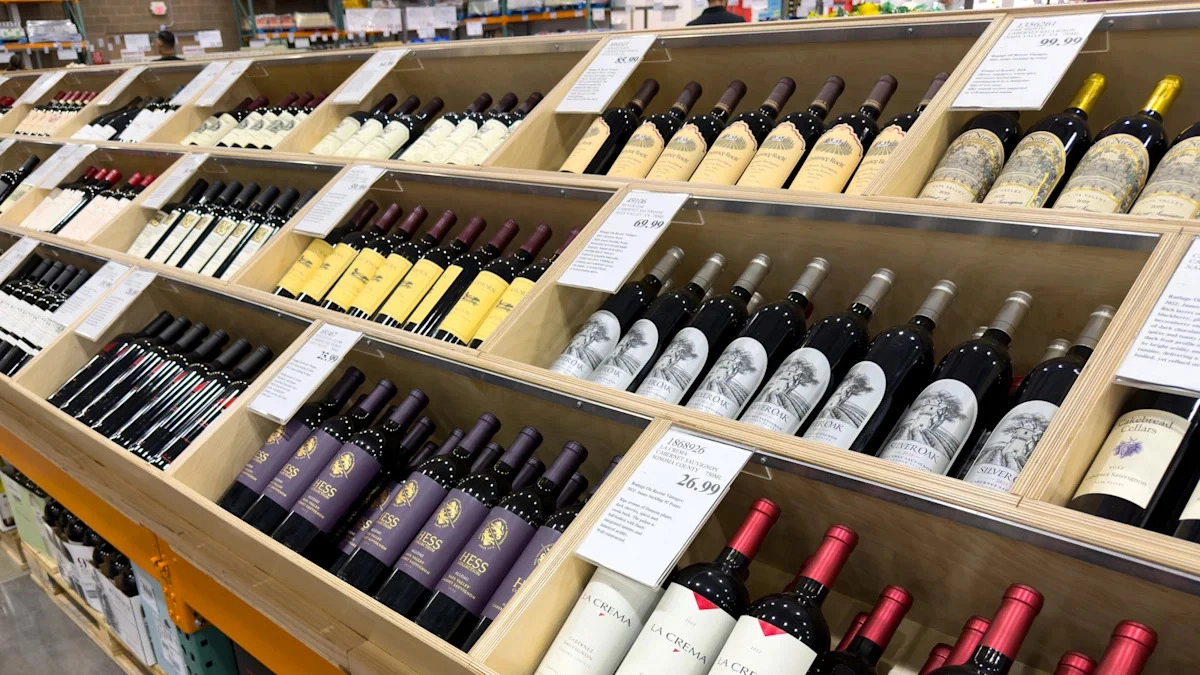
Costco’s wine selection isn’t just a random assortment; it involves a meticulous process managed by a dedicated team of beverage buyers. These buyers are responsible for curating an impressive range of wines across U.S. warehouses, focusing not only on popular brands but also on regional specialties. While typical supermarkets may offer around 30,000 items, Costco provides around 4,000 carefully chosen SKUs, emphasizing quality and value.
The beverage buyers work closely to ensure that every bottle reflects local preferences while maintaining affordability. Their goal is to offer products priced approximately 20% lower than competitors. This strategy has made Costco a notable destination for a diverse audience— from budget-conscious shoppers to wine enthusiasts.
When established brands don’t meet Costco’s quality and price criteria, the team turns to its private label, Kirkland Signature. Instead of producing wine in-house, Costco collaborates with well-regarded winemakers globally to create Kirkland wines. This partnership is mutually beneficial: wineries receive guaranteed bulk purchases, while Costco saves on marketing costs, allowing them to pass savings onto consumers.
The Kirkland Signature program not only enhances Costco’s wine portfolio but also gives flexibility in sourcing new products when market demand shifts. Whether you’re searching for budget options or rare vintage selections, Costco’s thoughtfully curated wine assortment continues to attract a wide variety of shoppers.
For further information on Costco’s beverage selections, check out the original article on Mashed.
Shaking It Up: Madonna and Absolut Celebrate Pride with Exclusive Vodka Cocktails

Madonna has announced her latest collaboration with Absolut vodka, designating the brand as the "Official Vodka Partner" for her forthcoming album, Confessions II, set to release on July 3, 2026. This partnership comes at a fitting time for Pride Month and is part of a larger campaign titled "Absolut Icon." The campaign features creative advertising images styled by photographer Ricardo Gomes, showcasing Madonna in a striking purple corset bodysuit, reminiscent of her 2006 Grammy performance.
The collaboration will introduce a series of specially crafted cocktails, including the signature “Absolut Madonna,” a spicy lemon drop martini made with Absolut Tabasco. Other cocktails such as the Absolut Hot Sauce margarita, Absolut Confessions Cosmo, and Absolut Ex-spresso Yourself will also reflect this partnership. Madonna expressed that Confessions II encapsulates the spirit of the dance floor, promoting freedom of expression and connection, values she shares with Absolut.
As Madonna promotes her album, she has launched a robust media presence, featuring surprise performances, such as one in Times Square, and collaborations with various brands like Dolce & Gabbana and makeup company Kiko Milano. Her involvement with Absolut reflects her deep-rooted connections to the LGBTQ community, especially significant since the album release follows Pride Month.
Absolut plans to run the "Absolut Icon" campaign in publications that support the queer community, echoing the brand’s longstanding commitment to individuality and equality, which aligns with Madonna’s advocacy throughout her career. Furthermore, Absolut intends to donate to GLAAD, reinforcing their support for LGBTQ rights.
This partnership marks Absolut’s first major celebrity collaboration since 2006, reflecting its history of artistic endeavors, highlighted by partnerships with notable artists like Andy Warhol and Keith Haring.
Georgian Wine: Navigating the Tensions Between Russia and the West
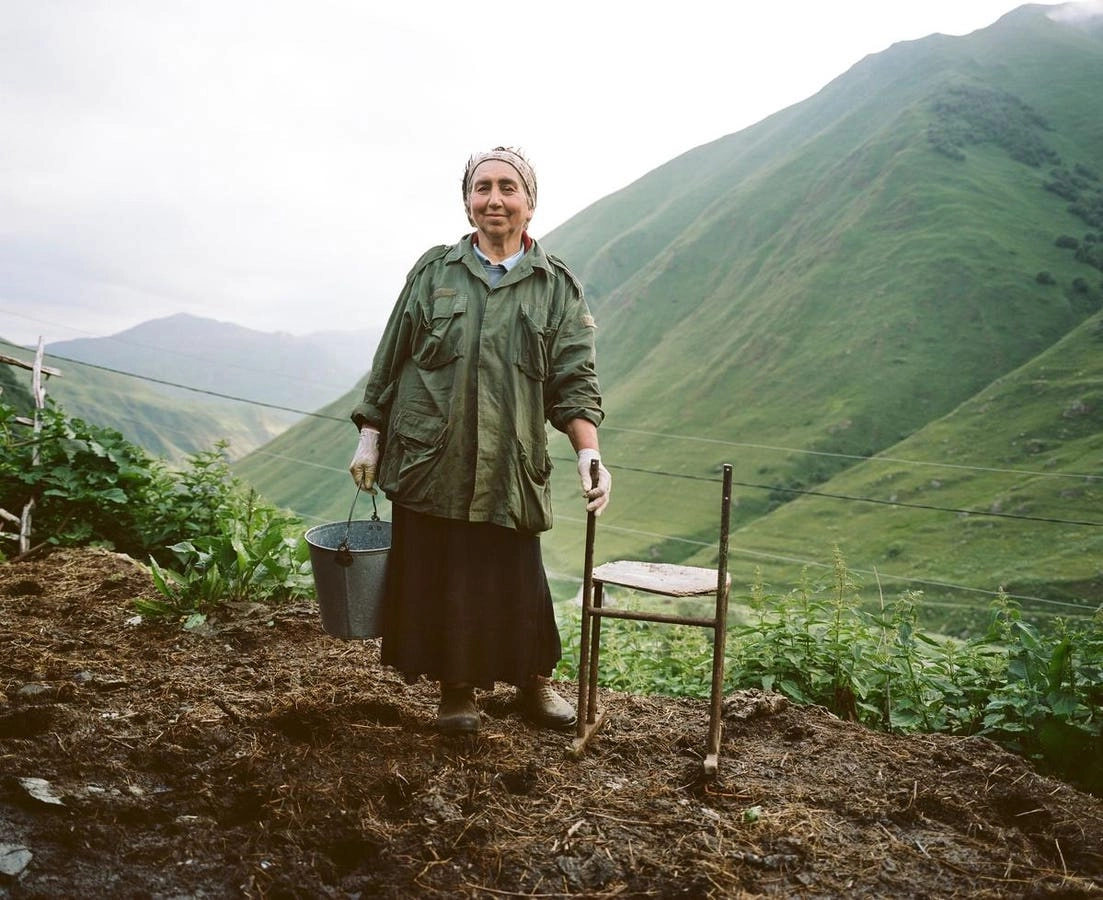
As tensions rise due to Russia’s increased excise taxes and regulatory control over Georgian wine exports, producers are faced with a challenging crossroads—turning to the American market as a possible avenue for survival.
Georgia’s wine industry is significantly dependent on Russia, which purchases between 60% to 65% of its exports. The situation was exacerbated when Russia implemented higher excise taxes on alcohol imports, leading to a notable 15.8% drop in Georgian wine exports within a few months of 2025, including a staggering 24% decline in shipments to Russia.
Historically, Russian bans on Georgian wine have occurred before, notably in 2006, when political tensions led to a complete halt in exports. This embargo resulted in a 50% drop in sales, which wasn’t fully recovered until 2013 when restrictions lifted.
Amidst these challenges, Georgian winemakers like Patrick Honnef from Château Mukhrani recognize the precarious balance they must maintain between Western alliances and Russian reliance. His estate, with a Swedish owner, fears potential repercussions if European-linked companies find themselves blacklisted by Russia, which could mean a loss of up to 90% of their sales.
Despite the turmoil, there’s a burgeoning interest in Georgian wines in the U.S. market, which grew at a promising rate of 15.5% annually from 2021 to 2024. Industry experts believe that while Georgia has a unique narrative and indigenous varieties, it must streamline its offerings to appeal to consumers overwhelmed by choice. Saperavi, a grape with potential for international appeal, stands out as a prime candidate for representation.
Producers are increasingly adapting to the U.S. market, with some, like Teliani Valley, actively pursuing distribution opportunities. Others, like Iago Bitarishvili, have never needed the Russian market and focus on regions with sophisticated wine cultures.
As the Georgian wine industry grapples with its future, winemakers like Honnef express urgency in expanding American consumer awareness. The unique qualities and flavors of Georgian wines remain largely undiscovered, and there is hope that this moment presents an opportunity for independence from Russian economic constraints. Whether these efforts will succeed before the geopolitical landscape shifts further remains uncertain.
The IWSC Reveals America’s Best Single Malt Whiskey: A Toast to Excellence
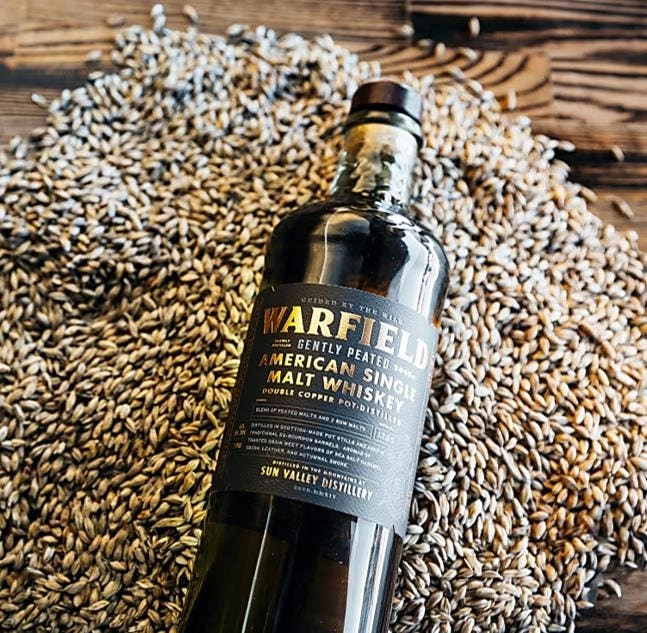
American single malt whiskey has recently gained recognition, particularly with the emergence of the Warfield Gently Peated American Single Malt Whiskey from Sun Valley Distillers in Idaho. This whiskey, aged for four years and receiving an impressive 97 points at the 2026 International Wine & Spirit Competition (IWSC), is noteworthy for its craftsmanship and unique characteristics.
The category of American single malt whiskey is still relatively young, having been formally recognized by the U.S. Treasury Department’s TTB in December 2024. Within this category, peated single malts are rare due to the difficulty in sourcing peated malt in the U.S. and the complexities involved in crafting a balanced flavor profile. Many distilleries shy away from this type of whiskey, but Sun Valley Distillers has risen to the challenge.
Warfield Gently Peated 4-Year-Old American Single Malt Whiskey (46% ABV, 750 ml) stands out because of its organic certification, with every ingredient meeting strict organic standards. Additionally, the distillery employs traditional Forsyths copper pot stills, renowned for their superior craftsmanship.
Located at an altitude of 5,840 feet, the distillery’s high elevation significantly affects the whiskey’s production process and maturation, resulting in a more intense flavor profile than typical American single malts. The climatic conditions of cold mountain nights and warm summer days promote quicker maturation, providing a depth of flavor within a shorter aging period.
The Warfield Gently Peated expression features a thoughtfully controlled amount of peated malt, creating a whiskey that showcases a gentle smokiness rather than an overpowering peat presence. The result is a harmonious bridge whiskey that appeals to bourbon drinkers looking to explore smoke, Speyside enthusiasts curious about American variants, and fans of Islay whiskies seeking a milder option.
Tasting notes reveal a balance of malt, fruit, and subtle smoke, with flavors of honey, butterscotch, oak, and a hint of dried leather. The finish is smooth and inviting, with lingering sweetness and a gentle smoky character, showcasing the meticulous craftsmanship behind its production.
The Warfield Gently Peated whiskey not only raises the bar for American single malts but also demonstrates that geographic and traditional influences can create something distinctively American that still respects and pays homage to its Scottish roots. With its high-rated score from the IWSC, it exemplifies the growing maturity and quality of American whiskey, proving that it needs no longer be compared unfavorably to established Scottish counterparts.
For more information, visit the Warfield Distillery and ICWS official guidelines at IWSC.
32 Whiskey Cocktails for Every Palate: From Classic Sazeracs to Refreshing Sours
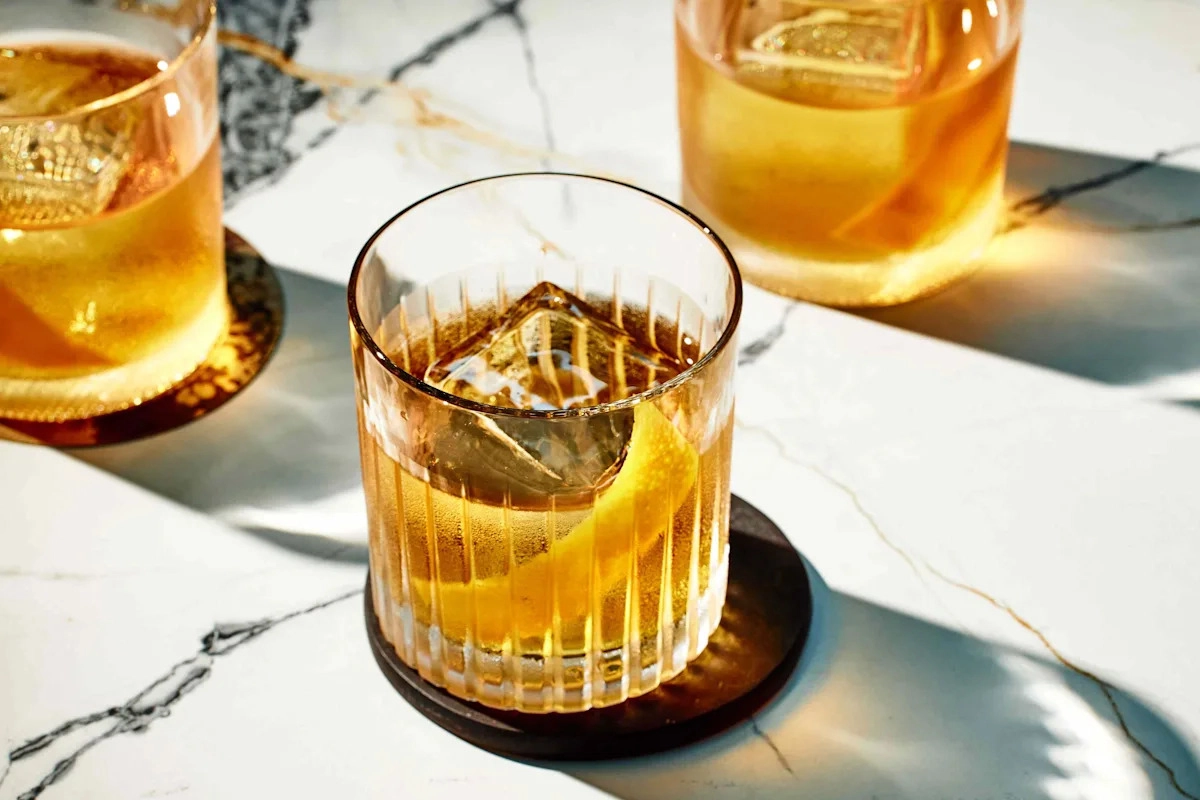
Whether you’re a fan of classic whiskey cocktails or eager to try new mixes, there’s a drink for everyone. From timeless favorites to innovative blends, whiskey can shine in numerous cocktail variations.
One of the quintessential whiskey cocktails is the Old Fashioned. This drink dates back to the early 19th century and typically consists of whiskey, sugar, and bitters, often garnished with an orange twist and a cherry for a touch of elegance.
Another classic is the Manhattan which features rye whiskey, sweet vermouth, and Angostura bitters. This sophisticated cocktail is best enjoyed stirred, not shaken, and is often served with a cherry on top.
For those who enjoy a refreshing drink, the Mint Julep is a must-try. This Southern staple combines bourbon with fresh mint and sugar, served over crushed ice for an invigorating sip.
If you’re looking to experiment, the Irish Coffee combines strong coffee with Irish whiskey, sugar, and a topping of whipped cream, making it a deliciously warm treat.
For a modern twist, consider the Paper Plane, made with equal parts bourbon, Aperol, Amaro Nonino, and lemon juice, delivering a beautifully balanced flavor.
Lastly, don’t overlook the Penicillin, a smoky blend of Scotch, lemon juice, honey-ginger syrup, and a float of peated Scotch that adds depth and warmth.
Each of these recipes highlights the spirit’s versatility, inviting drinkers to explore and enjoy whiskey in various delightful ways. For a comprehensive list of whiskey cocktail recipes, visit Food & Wine.
Cheers to 9 Years: Ology Brewing Celebrates a Milestone Weekend of Beer and Spirits!
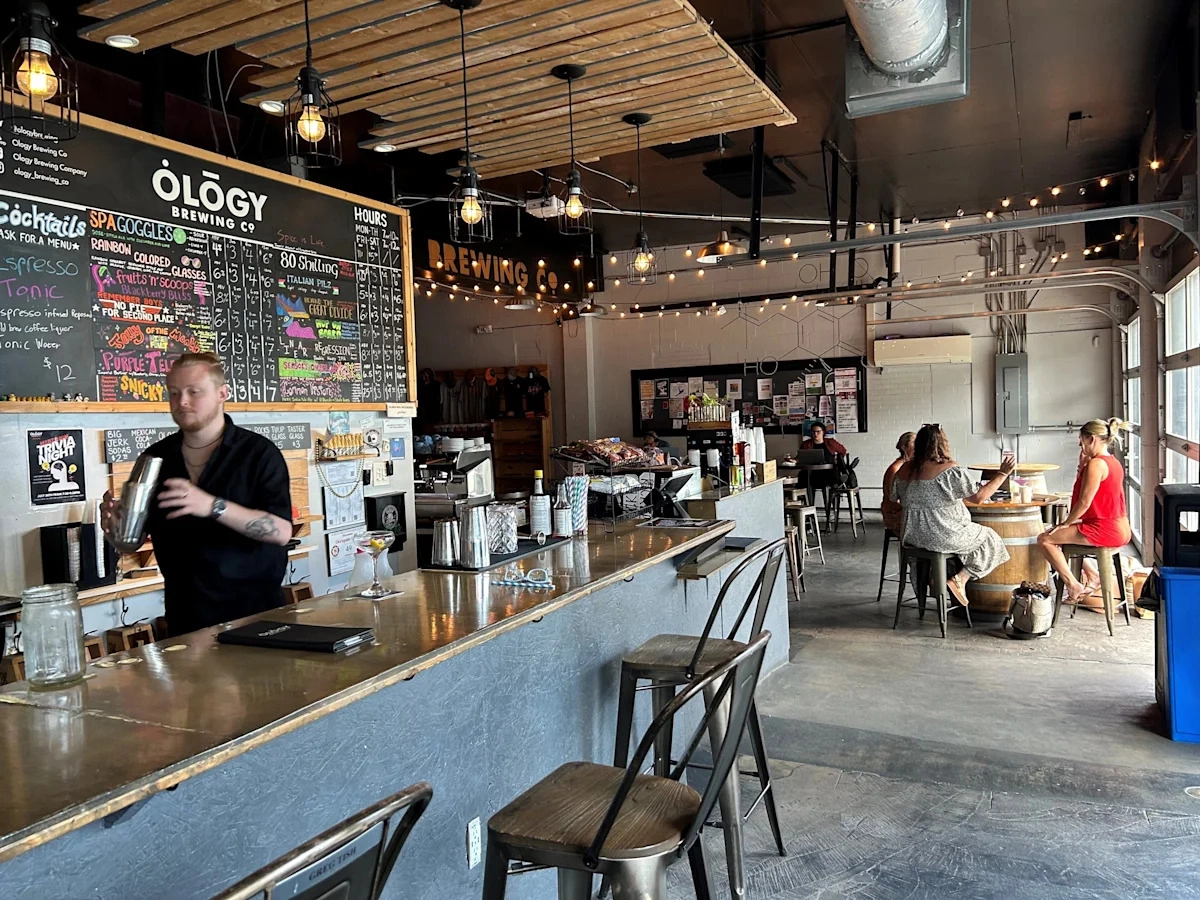
The Tallahassee craft brewery, Ology Brewing Company, is celebrating its 9th anniversary this weekend, marking a significant milestone since its inception in Midtown in 2017. Ology has become a pivotal player in Tallahassee’s craft beer scene, leading to the establishment of the Tallahassee Beer Society, an idea inspired by the brewery’s success and propelled by community support.
When Ology opened its doors nearly a decade ago, it was the fifth brewery in Tallahassee, enticing craft beer enthusiasts to explore local offerings. The initiative ultimately transformed the city into a hub for craft beer, encouraging even more visitors to indulge in the burgeoning microbrew culture.
To commemorate this landmark occasion, Ology has planned four special beer releases, including:
- Aquatank: A collaborative 8% Hazy Oat Milk Double IPA featuring hops from various respected breweries.
- Knights of the Round: A robust 14% Barrel-Aged Imperial Stout infused with hazelnuts, coconut, marshmallow, and coffee.
- Knight Cap: A creamy liqueur mirroring the flavors of Knights of the Round.
- 9 Year Rye: A special rye whiskey aged in barrels for nine years, celebrated for its rich flavors.
Co-founder Nick Walker reflected on the brewery’s journey, expressing gratitude for the community’s continual support and for the dedicated team that has helped Ology evolve over the years. He noted the excitement surrounding their anniversary as a time for appreciation and celebration.
Local fans are encouraged to visit Ology’s taprooms this weekend to raise a glass in honor of nine fantastic years and to take advantage of special membership perks, including complimentary shots for members.
For more details, see Ology Brewing Company here.