July 2023 79
“Sundays: How the founder of a whiskey brand focused on women’s needs spends her day.”

Unconventional Morning Rituals: A Day in the Life of Kate Rosante
Meet Kate Rosante, a successful businesswoman, cocktail connoisseur, and co-founder of the bourbon brand Boss Molly. But there is more to Kate than just her professional achievements. In this blog post, we take a unique look into her daily routine and unconventional morning rituals at her summer house in Amagansett.
Morning Meditation:
Kate starts her day around 7:30 or 8 a.m. But before she even gets out of bed, she takes a moment for herself. Inspired by her husband Adam, who practices meditation, Kate spends ten minutes practicing breathwork and setting her intentions for the day. This small act of mindfulness helps her find serenity and focus in the chaos of everyday life.
Kitchen Ballet:
Once she’s up and about, Kate heads to the kitchen, where a surprising transformation takes place. Instead of the usual morning routine, she follows her passion for ballet. With the kitchen counter acting as her makeshift barre, Kate gracefully moves through her routine, ensuring she gets her daily dose of physical activity. The portable rubberized floor underneath her ensures she doesn’t slip and provides the perfect surface for her artistic movements. And to refuel after her dance session, she whips up a nutritious kale, peanut butter, whey protein, and apple smoothie. Who said the kitchen is just for cooking?
Fruit First:
If the weather permits, Kate and Adam take their ’66 Mustang convertible for a spin. Taking advantage of their surroundings in Amagansett, they make their way to Amber Waves Farm to indulge in nature’s bounty. Whether picking fresh raspberries straight off the bushes or choosing already-picked blueberries, strawberries, and rhubarb, Kate knows that starting her day with fresh fruit is a healthy and invigorating way to fuel her mind and body.
Out on the Water:
Next comes the real adventure. Kate and Adam own a 20-foot Grady-White bowrider aptly named “Seabird.” They acquired the boat during the pandemic, seeking solace and excitement on the open water. Exploring different areas via boat and saving precious time that would otherwise be wasted in traffic has become a cherished pastime for the couple. Kate’s newfound appreciation for birds has also blossomed during these ventures, as she observes and learns about different gull species.
Fish of the Day:
After their boating excursion, Kate and Adam make their way to Duryea’s Montauk for a well-deserved lunch. This seafood shack, known for its simplicity and old-school charm, satisfies the couple’s cravings for fresh seafood delicacies. With a paper menu in hand, they select their favorites and eagerly await their order. Littleneck clams and the grilled fish of the day are usual go-to choices, perfectly paired with Duryea’s renowned shoestring French fries.
Jumping In:
To top off their day at sea, Kate and Adam head to the Navy Beach pier. Mooring their boat, they take a leap of faith and jump off the dock into the cool waters. While it might be a bit nerve-wracking, the exhilarating sensation and refreshing feel of the water make it all worth it. This simple act of spontaneity and adventure perfectly encapsulates the spirit of their Amagansett summer days.
Conclusion:
Kate Rosante’s daily routine might not fit the traditional mold, but it reflects her unique personality and spirit. From morning meditation to kitchen ballet, from fruit-picking to boating adventures, Kate finds joy and fulfillment in embracing the unconventional. Her story reminds us that life is about more than just following the norm and that there is beauty in embracing our passions and creating our own extraordinary routines. So why not take a page out of Kate’s book and add a little flair and sparkle to your daily routine? After all, life is meant to be lived to the fullest.
White Sands beach in Amagansett is a hidden gem on the east end of Long Island. The beach doesn’t have an official name, but it is located near the White Sands Hotel. It’s a perfect spot for a day of relaxation and adventure.
My partner Adam and I love spending time at the beach. While he goes surfing in the ocean, I prefer to sit on the sand and dive into a good book. Currently, I am halfway through “Fairy Tale” by Stephen King and also reading “Sag Harbor” by Colson Whitehead. Both books transport me to different worlds and add to the serenity of the beach.
After a fun-filled day at the beach, we head back home to unwind. I usually take a nap or continue reading in the hammock while Adam takes care of some household chores. Around 5 or 5:30, I feel the need for an outdoor shower to wash off the salt and sand from the beach.
Instead of cooking dinner at home, we often decide to pick up some delicious food from Dive Bar Pizza in Napeague. Located between Montauk and Amagansett, this place offers mouthwatering pizzas that satisfy our cravings. However, if we’re in the mood for a steak, we stop by Tony’s Meat Market or Gosman’s Market to grab some quality cuts. We bring along our portable grill and head back to the beach to enjoy a beach dinner.
Adam takes charge of the grilling while I set up a bonfire. We invite friends we’ve made during our time at the beach to join us for dinner. As the sun starts to set, we all gather around the bonfire, enjoying our meal and each other’s company. The beauty of the sunset is always mesmerizing. Living in the city, I rarely get to appreciate such natural wonders, but each sunset at White Sands is unique and magical.
After bidding goodbye to the sun, we head back home around 8:30. Our evening entertainment includes watching TV shows and movies. We recently finished watching “Succession” and “Jury Duty,” which provided us with many laughs. Now, we’ve moved on to movies. We have a selection of films that we love to rewatch during this season, such as “Jaws,” “Point Break,” and “Stepford Wives” (the original version). To enhance our movie experience, I create themed cocktails to accompany each film. For example, for “Jaws,” I make a New York whiskey sour with a splash of red wine. In “Stepford Wives,” inspired by the characters’ love for Scotch, I concoct my own version of a dry Manhattan by infusing whisky with chamomile tea and adding dry vermouth.
Finally, it’s time for bed. Adam and I climb into bed, and our two cats join us. We’re all in agreement that we can’t sleep with the light on, so we make sure to turn it off before settling in. It’s a peaceful end to a perfect day at White Sands beach.
If you want to see more of our beach adventures and other aspects of our life, you can follow me on Instagram @katerosante.
Advertisement
The internet is horrified after Kristen Bell and Dax Shepard allow their kids to consume non-alcoholic beer.

Unveiling a Surprising Parenting Choice: Kristen Bell’s Kids and Non-Alcoholic Beer
In a recent appearance on The Kelly Clarkson Show, actress Kristen Bell made an unexpected revelation about her children’s drink preferences. The star, who shares two daughters, Lincoln (10) and Delta (8), with husband Dax Shepard, shared that her girls are big fans of…non-alcoholic beer. While some may find this unconventional choice perplexing, Bell stands by her decision.
Bell recalled instances where her daughter Lincoln would inquire about non-alcoholic beer while dining out. She expressed her initial hesitation, suggesting that perhaps it should be reserved for home consumption. However, she quickly added, “You can judge me if you want, I’m not doing anything wrong. Like that’s your problem.”
This isn’t the first time the actress has disclosed her children’s interest in N/A brews. During the pandemic, Bell caught her daughters casually sipping O’Doul’s during a Zoom school session. Despite her nonchalant approach, the revelation has triggered a strong reaction from the internet.
Critics expressed concern over the early introduction of non-alcoholic beer to young children. One Twitter user wrote, “I know it’s non-alcoholic beer, but those kids are only 8 and 10 years old! They will be drinking the real thing before they turn 13.” Another user admitted, “I *am* judging her.. they’re not my daughters. but…I cringe to think Kristen Bell is giving her daughters non-alcoholic beer.”
On a lighter note, some social media users opted for a more humorous take on the situation. One person jokingly imagined a child opening their lunchbox to reveal an O’Doul’s, while another quipped, “How are they supposed to get hammered on non-alcoholic beer?”
However, let’s consider an important distinction between non-alcoholic beer and alcohol-free beer. The former typically contains 0.5 percent ABV (alcohol by volume), whereas the latter proudly boasts a true zero percent. Experts from the Czech Republic caution against giving drinks with even extremely low ABV to children, as it can be potentially harmful. Petr Popov, head of the Clinic of Addiction Studies at the General Hospital in Prague, emphasized the similarity between a small child’s absorption rate and that of an adult consuming a regular beer.
It’s vital to remember that parenting choices can be subjective and may vary based on cultural perspectives and individual circumstances. As society reacts to Kristen Bell’s disclosure, it’s crucial to engage in a constructive dialogue that considers both sides of the argument.
In the end, what matters most is the well-being and safety of the children. While the discussion around non-alcoholic beer for youngsters may continue, it’s essential to respect Bell’s autonomy as a parent and acknowledge that differing opinions exist.
Get ready for IPA Day by diving into the popular beer style with a primer.

“Hoppy” IPA Day! A Celebration of the Popular Beer Style
IPA Day, a day dedicated to celebrating India Pale Ale, has become an annual event since its inception in 2011. Over the years, the popularity of IPA has grown exponentially, making it feel like every day is IPA Day with the abundance of IPAs found on store shelves. From well-known brands like Voodoo Ranger IPA from New Belgium to the offerings of local breweries, IPAs have taken over the beer scene.
The roots of IPA can be traced back to England in the early 19th century. Originally known as India Pale Ale, the style emerged as a result of the demand for strong stock or burton ales that were being shipped to the colonies in India via Africa. Various factors such as the abundance of hops, water chemistry, the length of the journey, and the presence of wild yeast in the barrels contributed to the creation of a sparkling and refreshing product that the English abroad enjoyed immensely. The term “India pale ale” was later coined around 1829 as a marketing tool, fueled by the colonists’ love for the beer, which eventually created a market for it back in England.
Since its early days, IPA has undergone significant evolution. Advancements in technology, the introduction of new hop varieties, and changes in customer preferences have transformed IPAs into what we know today. The main attraction of IPAs lies in the hops, with each hop cone containing lupulin glands that contribute to the distinct flavor and aroma. Hop cones are typically sourced from countries such as Germany, the United States, Poland, Australia, China, Slovenia, Czech Republic, England, and New Zealand. Each country’s hops have their own unique flavor characteristics, ranging from floral qualities in English hops to pine and citrus flavors in American hops. However, the past decade has seen a shift as countries develop and breed hops specifically suited for popular beer styles like IPAs. For example, Germany’s new hops boast flavors of pineapple and citrus.
Interestingly, even the location in which hops are grown can affect their flavor profile. Cascade, a popular hop in the United States, exhibits a more subtle taste when grown in New Zealand. Hops not only contribute to the flavor of IPAs but also impart bitterness, balance out the maltiness, and possess antimicrobial properties that protect the beer from spoiling. IPAs can range from non-alcoholic to over 13% ABV, with a wide variety of colors and flavors, as long as the dominant flavor comes from the hops. Double IPAs (higher than 7.5% ABV) and Hazy/New England style IPAs (typically deep yellow/orange in color with a fruity, less bitter flavor) are among the most popular IPA variations worldwide. Furthermore, a new IPA style called Cold IPA has emerged, utilizing lager yeast fermented at warmer temperatures and a larger proportion of corn/rice in the recipe to create a dry and drinkable beer.
With so many different kinds of IPAs available globally, it’s challenging to determine the best ones. Therefore, I recommend visiting your local brewery and trying out various IPAs to discover your personal favorites. IPA Day serves as the perfect occasion to delve into this immensely popular beer genre, so raise a glass and cheers to the hoppy goodness!
Ahead of Mars space mission, NASA collects Rum rocks.

Ancient Rocks from the Isle of Rum: A Stepping Stone to Mars
In a groundbreaking collaboration, NASA scientists have set their sights on the Isle of Rum, a small island off the west coast of Scotland. Their mission? To collect ancient rocks that hold the key to unlocking the mysteries of Mars. The scientists believe that these rocks share striking similarities with the rocks found on the Red Planet, making them the perfect testing ground for future space missions.
The Isle of Rum has been chosen as the sole UK site for sampling, with its igneous rocks closely resembling those found in the Séítah Formation within the Jezero crater on Mars. These rocks, characterized by the mineral olivine, bear remarkable resemblance in terms of both mineralogy and chemistry. But what truly captivates scientists is the similar amount of weathering present in both sets of rocks. This is particularly perplexing considering the stark differences in the environments of present-day Mars and the Isle of Rum.
Dr. Lydia Hallis, a geologist and planetary scientist from the University of Glasgow, is leading the mission on the Isle of Rum. Dr. Hallis explains that billions of years ago, Mars was a significantly wetter and warmer planet, with a thicker atmosphere that could have even produced rain – though not quite as much as Scotland experiences. Over time, Mars’ atmosphere thinned, resulting in a significantly drier and colder surface. This halted the process of weathering within the Séítah Formation and effectively preserved the rocks at the Jezero Crater.
The rocks on the Isle of Rum are geologically younger than those collected by NASA’s Perseverance Rover on Mars. However, due to their exposure to the elements in Scotland, these rocks have undergone a comparable amount of weathering to what was experienced during Mars’ early wet and warm climate. Scientists believe that studying the Rum rocks will provide valuable insights into the best methods of testing and analyzing the Martian rocks once they are brought back to Earth.
NASA’s Perseverance Rover is currently collecting rocks from a crater on Mars, with the planned return to Earth set for 2033. These Martian rocks have the potential to reveal crucial clues about the planet’s evolution, including the possibility of past life. The joint NASA and European Space Agency’s Mars Sample Return Campaign marks a significant milestone in space exploration, as it will be the first time samples from another world are brought back to Earth.
Lesley Watt, the reserve manager for NatureScot’s Rum National Nature Reserve (NNR), expresses the island’s excitement to be playing a small part in this historic endeavor. Rum has long been renowned for its unique geology, boasting extinct volcanoes and dramatic mountains. Little did they know that the rocks on their island would hold interplanetary significance as well. Watt hopes that this involvement in the Nasa/ESA mission will add yet another layer of interest for visitors to this special place.
In a race against time and in anticipation of the Martian rocks’ return, the scientists on the Isle of Rum diligently gather their samples. With their findings, they pave the way for future exploration, unraveling the intricate secrets of Mars, one rock at a time. And perhaps, in the not too distant future, humanity will look to the skies in awe, knowing that their understanding of the cosmos was shaped in part by the remarkable rocks collected from a tiny island off the coast of Scotland.
What occurs when you limit yourself to only one glass of wine per day?

Is Anyone Actually Following the Guidelines?
In a recent study, researchers set out to investigate whether people were actually adhering to the dietary guidelines set by the U.S. Department of Agriculture and U.S. Department of Health and Human Services. Specifically, they looked at the recommendation for alcohol consumption, which states that women should drink one glass of wine or less per day, while men should limit their intake to two glasses or less.
The findings of the study were quite surprising. It turns out that a majority of adults surveyed were not following these guidelines. In fact, only about 30% of women reported drinking one glass of wine or less, while just under 40% of men claimed to stick to the recommended limit of two glasses or less.
So why are so many people disregarding these guidelines? One possible explanation is that they simply may not be aware of them. The study revealed that only about half of the participants were even aware of the recommendations regarding alcohol consumption. This lack of knowledge could be due to a variety of factors, including a lack of education or awareness campaigns surrounding the guidelines.
Another reason for non-compliance could be the societal norms and expectations surrounding alcohol consumption. Many people view drinking alcohol as a means of socializing and unwinding after a long day. It can be difficult to resist the temptation to have more than the recommended amount when surrounded by friends or in a social setting where drinking is encouraged.
Additionally, personal preferences and individual differences may also play a role in people’s decision to ignore the guidelines. Some individuals may simply enjoy the taste of alcohol and may not see any harm in having an extra glass or two. Others may believe that the guidelines are overly cautious and choose to ignore them altogether.
It’s important to note, however, that excessive alcohol consumption can have serious health consequences. The guidelines are in place for a reason, as excessive drinking has been linked to a number of health problems, including liver disease, certain types of cancer, and impaired cognitive function.
So, while it may be tempting to indulge in that extra glass of wine or beer, it’s worth considering the potential risks and long-term effects on your health. Educating yourself about the guidelines and making informed choices can help promote a healthier lifestyle.
In conclusion, the study showed that a significant number of people are not following the recommended alcohol consumption guidelines set by the government. This highlights the need for increased awareness and education surrounding these guidelines, as well as a reevaluation of societal norms and attitudes towards alcohol. Ultimately, it’s up to each individual to weigh the risks and benefits and make responsible choices when it comes to alcohol consumption.
After losing its top-selling beer spot to Modelo in May, Anheuser-Busch will be laying off employees.

Title: Anheuser-Busch Implements Changes Amidst Growing Competition
Date: July 27, 2023
Time: 11:16 AM
Source: CNN
Anheuser-Busch, the renowned beer maker, recently announced its plan to restructure its US corporate staff, resulting in a reduction of positions. This strategic move aims to simplify the organizational structure and eliminate unnecessary layers within the company.
To ensure transparent communication, an Anheuser-Busch spokesperson clarified that these changes would not affect frontline staff, including brewery and warehouse employees, drivers, and field sales personnel. The job cuts will be limited to corporate positions, making up less than 2% of the entire US employee population, which stands at more than 19,000 individuals.
Brendan Whitworth, the CEO of Anheuser-Busch, acknowledged the challenges faced by the organization in making such difficult decisions. However, he emphasized the importance of these measures in securing the company’s long-term success. It is crucial for any business to adapt and position itself effectively in a constantly evolving market.
The decision to restructure comes at a crucial time for Anheuser-Busch, as its flagship beer, Bud Light, has recently been overtaken by Mexican lager Modelo Especial as America’s top-selling beer. This shift in consumer preference has prompted Anheuser-Busch to analyze its strategies and make necessary adjustments.
One of the challenges Bud Light faced was the Dylan Mulvaney controversy, which had a significant impact on the beer’s brand image. Anti-trans backlash ensued after a transgender influencer shared a photo on Instagram of a custom Bud Light can she had received. Anheuser-Busch’s response to the incident drew criticism from LGBTQ+ advocates, further complicating the situation.
It is clear that Anheuser-Busch’s decision to restructure its corporate staff is just one part of its efforts to adapt to changing market dynamics. By streamlining its organization, the company aims to become more agile and responsive to consumer demands. It is essential for businesses to stay ahead of the competition, especially in an industry that constantly evolves.
While change can be challenging, it is often necessary to ensure continued growth and success. Anheuser-Busch’s decision to implement these changes demonstrates its commitment to remaining a leading player in the beer industry. As consumers continue to evolve, it is essential for companies to evolve as well, and Anheuser-Busch is taking proactive steps to achieve just that.
In conclusion, Anheuser-Busch’s recent announcement regarding its corporate staff restructuring signifies its dedication to adapting to the evolving beer market. These changes seek to create a more efficient and agile organization, positioning the company for long-term success. By acknowledging the challenges faced and taking proactive measures, Anheuser-Busch aims to reclaim its position as a dominant force in the beer industry.
First published on July 27, 2023 / 11:16 AM
The-CNN-Wire ™ © 2023 Cable News Network, Inc., a Warner Bros. Discovery Company. All rights reserved.
Myanmar’s Gen Z guerrillas are known for their affinity for rum and coke as well as automatic rifles.

Revolution’s End: A Glimpse into the Lives of the Albino Tigers
On a scorching afternoon in March, I found myself deep in the heart of Myanmar, surrounded by the Albino Tiger Battalion, a group of young recruits fighting against the oppressive junta regime. While their dummy rifles made of wood and bamboo rested against their legs, they sat on a fallen tree in the shade of a rubber plantation, studying the rules of war. Only days away from completing their basic military training, their notebooks were filled with diagrams of attack formations and rules of engagement.
The instructor’s voice broke the silence, calling out to the group: “To win the revolution, we have to be good soldiers, you agree?” In unison, they replied with a resounding “Yes! Yes!” But the instructor went on to explain that bravery was not about destruction, but rather about sacrifice and perseverance in the face of adversity. It wasn’t about killing or destroying; it was about doing what needed to be done under immensely difficult circumstances.
The Albino Tigers, comprised of 99 young soldiers mostly in their late teens and early twenties, understood the challenges that lay ahead. As part of the People’s Defence Force (PDF), a resistance army formed by the National Unity Government (NUG), they were fighting a guerrilla war against the junta. Their ultimate goal was to oust the military generals who had been ruling Myanmar for the better part of the past six decades and establish a federal democracy that granted equal rights to all, including women and ethnic minorities who had long been oppressed.
Despite limited access to weapons and resources, the resistance had notched several victories and claimed control over half the country, with support from local communities and ethnic minority militias. However, the PDF’s lack of foreign aid meant that they relied heavily on the generosity of these already impoverished communities for their survival. Feeling that their struggle was fading into obscurity, the resistance leaders extended an invitation for me to spend five days with the Albino Tigers, making me the first Western journalist to witness the front lines of this battle near a crucial motorway connecting Myanmar, India, and Thailand.
Throughout my journey, guided by Captain Thu Saw, leader of one of the Albino Tiger companies, I traversed treacherous mountains contested by both the junta and ethnic militias. Yet, within the territory controlled by the Karen minority group, I found a surprising sense of peace at Thu Saw’s camp. The oppressive heat of the afternoon gave way to a serene atmosphere as crickets chirped in the background. Tiger-striped dogs lazily lounged around, while cream-colored cows grazed in the distance.
As our group settled in, soldiers tended to their daily tasks, which included cooking meals over an open fire and engaging in leisure activities like reading novels or watching Korean dramas on their phones. It was a stark contrast to the violent reality just beyond the camp’s borders. Slumbering remnants of war were scattered throughout the area, with trees uprooted by mortar shells and bomb remnants serving as constant reminders of the conflict.
But amidst the tranquility, there was a clear sense of purpose and determination. The Albino Tigers knew that their fight was far from over. They were aware that winning the revolution would not only require physical strength but also a vision for the future. Captain Thu Saw voiced his concern, asking, “What will the country look like once we’ve won, and armed groups roam freely?”
As I reflected on his question, I realized the immense challenges that lay ahead for Myanmar. A victory against the junta would mark the end of one battle but also the beginning of a new struggle – the struggle to rebuild a nation ravaged by violence, to heal the wounds inflicted on its people, and to establish a society that upheld the values of democracy, equality, and justice.
My time with the Albino Tigers provided a unique glimpse into the lives of those who were fighting for change, not only for themselves but for the entire nation. Their bravery and determination to sacrifice for a better future were awe-inspiring. I left Myanmar with a deep respect for these young soldiers and a fervent hope that their efforts would not be in vain.
As I bid farewell to Captain Thu Saw and his comrades, I couldn’t help but feel a sense of optimism. The road ahead may be long and fraught with challenges, but the resilience of the Albino Tigers and the support of the people gave me confidence that Myanmar would one day rise from the ashes and fulfill its potential as a democratic and inclusive nation.
The fight for freedom continued, and the Albino Tigers embodied the spirit of a nation yearning for change. It was a privilege to bear witness to their struggle, and I vowed to share their story with the world, ensuring that their voices would be heard.
“The End of the World”: A Glimpse into Myanmar’s Youth Resistance
In 1988, Myanmar experienced an uprising against a brutal military dictatorship. The anthem of this resistance movement was a powerful song titled “End of the World.” Although it was censored for many years, the words resonated deeply with those who fought for democracy. The spirit of resilience and strength shone through as they proclaimed, “Do not waver… Let us stand strong in the revolution and resist… The blood in the streets has not dried.”
Fast forward to the present day, the atmosphere seems almost carefree, filled with laughter and jokes shared by Thu Saw and his group of soldiers. Little do they know that danger lurks just around the corner. Abruptly, Thu Saw jumps up, alert to a distant crackling sound – the junta’s mortar. They have only 30 seconds to seek shelter. The tension mounts as everyone prepares for the worst. But luck is on their side as the skies open up and rain begins to pour. Thunder rumbles overhead, providing a momentary respite from the looming threat. “A good omen,” Thu Saw chuckles, but the relief is short-lived.
The youth of Myanmar, particularly students, have a rich history of leading revolutionary movements. This generation, however, is different. They grew up in a country that had suffered under military rule for decades. Yet in 2011, a glimmer of hope appeared as Aung San Suu Kyi, a democracy activist, led the country towards a decade-long experiment in hybrid democracy. Promoting non-violent resistance as a means of social change, Suu Kyi and other leaders inspired a belief that a better future was within reach.
Generation Z, unlike previous generations, grew up in an era of mobile phones and the internet. The world seemed more connected, providing a platform for expressing their hopes and dreams. Universities flourished, and exiles returned with new ideas and resources. There was a sense of cautious optimism in the air, even amidst the imperfections of the political landscape.
However, their dreams were shattered when a coup took place in 2021. This devastating turn of events initiated the downfall of the young people’s aspirations for a better life. Despite facing immense danger, the youth, especially women, became the driving force behind the protests against the military regime. The army responded with brutal force, committing acts of unspeakable violence and terror. The dreams of a generation were crushed, and the flames of resistance were ignited.
Forced to flee to the border areas controlled by ethnic-minority militias, many young people joined the People’s Defense Force (PDF). Witnessing the deaths of their comrades on the streets, these brave souls were propelled into action. They had tasted freedom, and they were not willing to surrender it without a fight. Thu Saw struggled to temper their battlefield ambitions, believing that winning could only be achieved through political negotiations, not armed conflict.
Thu Saw, once a labor activist, initially hesitated to join the resistance. The idea of becoming a soldier and taking lives weighed heavily on his conscience. It was the sight of a protester, shot right beside him, that changed his perspective. In that moment, he felt he had no choice but to defend his people. Eventually, he made his way to the PDF’s main training camp, disguised as a soldier, and was struck by the sheer number of young people standing united against tyranny.
“When I arrived, I was amazed. It was so crowded – so many young people. In the forest, I had got used to keeping my voice down. Here… they were even playing guitar and singing.”
The story of Thu Saw and his fellow resistance fighters is one of bravery, sacrifice, and an unwavering belief in the pursuit of freedom. The struggles they face are immense, but their determination remains unyielding. As the battle rages on, the world watches in awe, inspired by the strength of Myanmar’s youth.
They may be facing the end of their world as they know it, but they refuse to let their dreams perish. In their hearts burns the flame of resistance, fueled by the desire to reclaim the freedom they have tasted, no matter the cost.
A snack vendor’s perspective on the resistance in Myanmar
As a snack vendor, my days were spent in the peaceful tranquility of the forest, selling my delectable treats to the occasional passerby. It was a simple and quiet life, one where I had grown accustomed to the hushed tones and solitary nature of my work. However, everything changed when I stumbled upon a group of young people gathered in a clearing in the forest.
I was astounded by the sight before me. The clearing was bustling with activity – there were so many young faces, filled with determination and hope. It was a stark contrast to the calmness of the forest I had grown used to. Among them was a man named Ko Moustache, a lieutenant with a distinctive facial hair who would later become a close companion.
Ko Moustache and I joined forces with the Albino Tigers, a group of brave individuals who were marching towards the river valley. The journey was treacherous, with long days and nights of walking and scarce food rations. Rice, fish paste, and the occasional mushrooms found in the forest were all we had to sustain ourselves.
At the age of 25, Ko Moustache was one of the older recruits, and soon he was given the responsibility of leading a platoon of 14 commandos. It was during one of their missions, however, that tragedy struck. Ko Moustache misjudged an attack on an army post and was shot and injured. In his moment of panic, he abandoned everything – his phone, his car, and even the love letters from his girlfriend – and fled down the mountain.
The nearby villagers and the army offered support in their own ironic ways. The resistance received new mobile phones from the villagers, while the army mockingly sent them old hunting guns with a note expressing gratitude for the “valuable supplies” left behind. It was clear that the junta did not see the resistance as a significant threat.
Ko Moustache had once worked as a barista in a coffee shop, dreaming of buying a house and starting a family. The coup shattered those dreams, throwing his life into disarray. The idea of leaving Myanmar and joining his sister in England was tempting, but he felt a strong sense of duty and an obligation to fight for a brighter future.
Despite moments of depression and feelings of being “lost,” Ko Moustache found solace in his comrades, who had become his second family. The bond among the Albino Tigers was strong, and they provided support for one another in the face of adversity. Even Ko Moustache’s girlfriend was an Albino Tiger, and they found comfort in each other’s company during quieter moments.
The war had also provided an unexpected opportunity for women to challenge societal expectations. Female soldiers were not just confined to supporting roles; they took on active combat positions, such as snipers. Ma Yu, a sniper in her 20s, shared that some women had never worn trousers before joining the resistance, only traditional sarongs.
Not all members of the Albino Tigers had initially wanted to become fighters. Some had joined the People’s Defense Forces (PDF) out of a need for personal safety. But once they were part of the resistance, there was no turning back. A soldier named “Comrade Federal,” illustrated this sentiment through a cartoon he gave me. The cartoon depicted demonstrators in a city holding a flag symbolizing “Gen Z” and the three-finger salute. A ladder connected the city to the mountains where the PDF soldiers stood, but the ladder was broken, implying that there was no way to return to their urban lives.
The feeling of being trapped was palpable, particularly for Comrade Federal. As a former student-union leader at a prestigious university, he had felt compelled to seek refuge with the PDF, giving up his studies. All he truly desired was to return home and care for his widowed mother, but circumstances had forced him into a different path.
Thu Saw, the leader of the Albino Tigers, was well aware of the pressures and doubts his soldiers faced. He had already lost three of his comrades in battle and knew that his jokes could only provide temporary respite. Despite the grueling nature of their mission, Saw assured his troops that if they wanted to return to their families, he would allow it. He understood their youth and their reluctance to take lives.
These stories of resilience in the face of oppression are a testament to the strength of the human spirit. The snack vendor, the lieutenant with a distinctive mustache, the female sniper, and the student-union leader turned freedom fighter all share a common thread – a deep longing for a brighter future, free from fear and darkness. They have chosen to stand against injustice, despite the risks and sacrifices they face.
Their stories serve as a reminder that there is power in unity and that even in the darkest of times, hope can prevail. They fight not only for themselves but for their parents, grandparents, and future generations, determined to create a world where fear and darkness are mere memories. And as they lean on each other for support, they find strength in the bonds forged on the battlefield. Together, they are an unyielding force, unwavering in their commitment to a better tomorrow.
Title: A Glimpse into the Lives of Myanmar’s Youth Guerrillas, Fueled by an Unpredictable Future
Subtitle: Examining the Complex Reality of the PDF’s Rise and the Challenges Ahead
Introduction
In a world filled with stories of conflict and strife, Myanmar’s Gen Z guerrillas have emerged as a force to be reckoned with. Led by Thu Saw and his Albino Tigers, these young fighters have taken up arms against the junta, fueled by a desire for change and a determination to protect their fellow citizens. But as they march towards victory, questions about the future and the potential consequences of their actions gradually seep into their minds.
The Ambiguity of Progress
One morning, amidst the sounds of scraping and rasping, I encountered a moment of reflection. Thu Saw, still asleep with his rifle in hand, represented the heart and soul of the movement. But what lies ahead for a country filled with armed groups once the revolution is won? Will they turn into rogue bands, causing chaos and further violence? Thu Saw, like many others, pondered the uncertain fate of their nation.
The Dynamics of Survival
As I cautiously moved past the sleeping guerrilla, I stumbled upon an unexpected scene. A family tirelessly peeled the skin off a pile of sugarcane, offering buckets of sweet, foamy juice as a gesture of gratitude to the soldiers. Their acts of kindness were reciprocated with weapons, as Thu Saw explained. Villagers, thankful for protection, brought food and supplies to sustain the Albino Tigers. With each contribution, Thu Saw saved money to purchase more weapons, transforming a small force armed with two guns into a formidable faction of 27 members.
Innovation Amidst Desperation
Resourcefulness and adaptability appear to be the watchwords of these guerrillas. Limited by their means, they pool resources to acquire more firearms on the black market. However, their arsenal extends beyond conventional weaponry. With the help of Gen Z’s ingenuity, drones are modified to drop bombs, while mortars and grenade launchers are constructed, resulting in significant casualties for the junta. But this fight is not without consequences, as the resistance knows that an open battle would lead to unimaginable bloodshed for both fighters and civilians.
The Cost of Victorious Struggle
The resistance’s plan to ignite a countrywide uprising before fatigue sets in reflects both its determination and understanding of the challenges. However, the reality of claiming victory brings its own set of monumental tasks. Even if they triumph over the junta, they will have to face the daunting task of rebuilding a nation devastated by both tyranny and war. It is a future fraught with uncertainty, layered with the complexities of healing a fractured society.
Living in the Present
The soldiers of the PDF, confronted with the specter of death each day, exhibit unwavering dedication to their cause. It is in their courage and conviction that the hope for a better future lies. Yet, a wise statement by Ko Moustache, one of the resistance fighters, reverberates in the minds of all who fight for change. Living day by day, he has come to realize that speculating about the future serves no purpose. The future will unfold as it is meant to, with its own set of triumphs and challenges.
Conclusion
The story of Myanmar’s Gen Z guerrillas is one that highlights the complexities and uncertainties of revolution. As they march towards victory, they must grapple with the potential consequences of their actions while acknowledging the immense task of rebuilding a devastated nation. The resistance’s determination and resourcefulness offer a glimmer of hope in the face of darkness, reminding us that change can come from the most unexpected places. Let their story be a reminder of the resilience of human spirit, and the power of an uncertain future to shape our present.
Five behind-the-scenes takeaways from Pangaea on how to develop the next audacious wine.
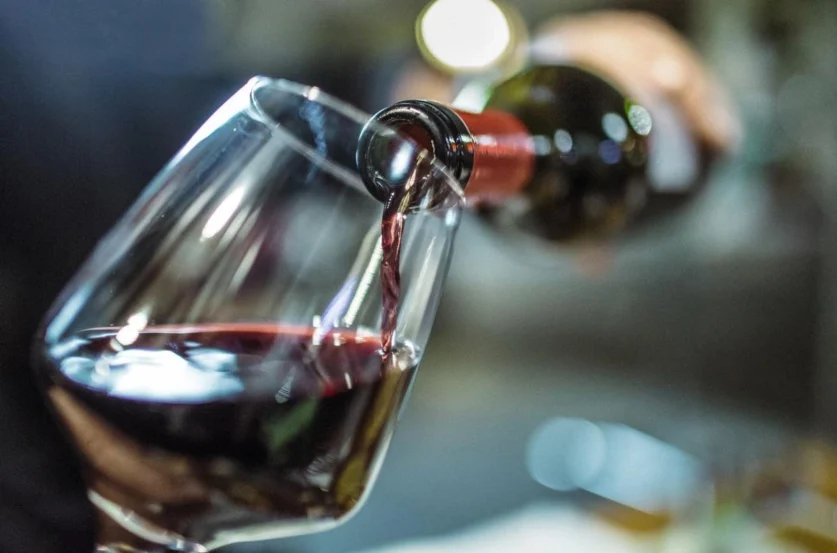
Breaking Free: The Journey of Pangaea Estates
Stagnation and frustration can manifest in various ways in our lives, especially in our work. For Travis Braithwaite of Cape Town, South Africa, it meant embarking on a daring venture that would challenge the norms of the wine industry. Pangaea Estates, a revolutionary wine label, would source its components from five different countries on four continents, and be made by none other than Michel Rolland, an influential consulting winemaker. Travis Braithwaite’s desire to break free from the constraints of the industry parallels the challenges and opportunities faced in a globalized world.
Drawing inspiration from the manufacturing industry, Braithwaite noticed that the best cars, leather, chips, and software all come from different countries. He questioned why the concept of using components from different regions had not been applied to the production of wine. With this in mind, Pangaea was born. The wine would bring together Cabernet Sauvignon from Napa, Merlot from Bordeaux’s Right Bank, Petit Verdot from Dehesa del Carrizal in Spain, Cabernet Franc from Helderberg in South Africa, and Malbec from Valle de Uco in Argentina. These diverse components challenged the traditional model of winemaking.
One cannot help but consider the environmental impact of such a geographically diverse wine. Braithwaite acknowledges that shipping the juice, as an unfinished product, to Napa for blending and bottling has the biggest environmental footprint. However, the use of stainless steel containers, which are reused multiple times, mitigates some of the impact. Despite this, Braithwaite encountered numerous challenges in the decade-long process of creating Pangaea.
The journey began in 2010 when Braithwaite first started considering the concept. The name “Pangaea” came to him early on but was initially set aside as he explored other ideas. However, a friend pointed out that Pangaea perfectly encapsulated the concept, leading Braithwaite to embrace it as the name and brand. Braithwaite also took the time to travel to wine regions with deep viticultural histories and a shared ethos with the traditional Bordeaux lineage. He observed that the language of winemaking transcends linguistic barriers, as winemakers all over the world strive for similar goals.
To bring his vision to life, Braithwaite knew he needed the expertise of Michel Rolland. After cold-calling Rolland’s laboratory and a year of strategic planning, Braithwaite finally met with Rolland in Argentina. Their meeting resulted in an agreement, with Rolland becoming a 25% owner in the business. The first blending session took place in South Africa soon after, bringing together all the component samples.
Pangaea Estates embodies the spirit of breaking free from the confines of tradition. It challenges the wine industry to embrace the opportunities of globalization. Travis Braithwaite’s audacious concept and relentless pursuit of excellence have paved the way for a new era in winemaking. As we savor a glass of Pangaea, let it remind us that breaking free can lead to remarkable achievements.
The blending session at South Africa with Michel Rolland was a whirlwind of activity. Braithwaite, the founder of Pangaea, wasted no time in arranging for samples from five different regions to be sent for the session. He was also smart enough to have a film crew present to document the whole process.
Michel Rolland, known for his fast-paced approach, wasted no time in getting down to business. He meticulously smelled, tasted, and took notes on each sample. He was impressed by the strength and boldness of each variety, but knew they needed to work together harmoniously.
After Rolland’s initial review, the group started experimenting with blends from the 2015 vintage. They tried four different blends, discussing the elements of each and revisiting the ratios. Finally, they arrived at the perfect blend – the fifth and final wine.
The entire process took about an hour and a half, but Braithwaite and his team were crystal clear on their target consumer. They knew their wine would appeal to collectors, creatives, wine enthusiasts, and anyone who gravitates towards innovative concepts. This understanding of their audience directed their business model, including price point and distribution strategies.
Their efforts paid off, as the inaugural release (2015 vintage) of Pangaea’s wine quickly sold out. They allocated a small percentage to the US, Asia, and Europe. They also kept some library stock for themselves and other opportunities that may arise.
While the success of Pangaea is evident, there are two areas of the story that continue to intrigue me. Firstly, the environmental impact of the wine industry and how Pangaea addresses it. Secondly, the wine industry’s perspective on global sourcing of component parts, similar to what other industries do. These topics are often controversial and provoke pushback. However, Pangaea’s ability to tackle these challenges head-on is commendable.
Regardless of how audacious the concept of Pangaea may seem at first, the team’s determination and willingness to iterate make it clear that they will continue pushing through the obstacles. I, for one, will be keen to follow the progress of Pangaea and see how they navigate these complex issues.
Pepsi’s challenge to rum and Coke is remarkable.

Pepsi Takes on Rum and Coke, Declaring Pepsi the Superior Mixer
Pepsi is boldly challenging one of the most popular bar calls by asserting that rum is better enjoyed with Pepsi than Coke. The beverage giant has launched a new promotion called Rum and Pepsi, as part of its ongoing “Better with Pepsi” campaign. This campaign aims to position Pepsi not only as a go-to accompaniment for food, but also as a challenger brand in the beverage industry.
In a surprising twist, Pepsi’s research showed that 56% of consumers actually prefer Pepsi over Coke when it comes to mixing dark or spiced rum. Todd Kaplan, Pepsi’s Chief Marketing Officer, explained that people found their rum to be more flavorful and enjoyable when mixed with Pepsi. This revelation challenges the traditional way of ordering a rum and Coke, highlighting the possibility that everyone has been ordering it wrong all along.
To promote the Rum and Pepsi campaign, Pepsi has partnered with creative agency Alma to develop an advertising campaign that will primarily run in print and out-of-home ads in major cities like Atlanta, Los Angeles, Miami, New Orleans, and New York City. The campaign will also utilize social media platforms and search ads to reach a wider audience. The ads will feature slogans such as “Is your rum OK?” and “Finally, the cola your rum has been asking for.”
In addition to advertising, Pepsi is enticing consumers to try their rum and Pepsi combination by offering up to $5 off on Pepsi purchases when bought with rum through the online alcohol merchant Drizly. Customers can also enjoy free delivery by using the code #BetterWithPepsi until August 17.
Pepsi’s “Better With” campaign has been highly successful in the past, focusing on various popular food items such as burgers, pizza, and hot dogs. Kaplan explained that their goal is to increase the association between Pepsi and food during mealtime. By driving situational salience, which measures how often people naturally connect Pepsi with their meals, Pepsi aims to create a cultural shift where consumers elevate their beverage choices and demand a higher standard.
As the Rum and Pepsi campaign unfolds, it is expected to spark discussions and challenge long-held beliefs about mixing rum with Coke. Whether or not consumers will accept Pepsi as the superior mixer remains to be seen. However, Pepsi’s determination to challenge the status quo and align itself with food and beverage combinations is likely to continue in the future.
(Jon Springer covers sports marketing and beverage marketing. He formerly covered the food retail industry for Winsight and Supermarket News and is a former sports and features writer for The Cecil Whig, a daily newspaper in Elkton, Maryland.)
Kristen Bell allows her daughters to consume non-alcoholic beer, stating, ‘Feel free to pass judgement if you desire.’

Title: A Unique Parenting Approach: Kristen Bell’s Daughters Opt for Non-Alcoholic Beer
Introduction:
In a recent appearance on “The Kelly Clarkson Show,” actress Kristen Bell shared a surprising revelation about her daughters’ beverage choices. Bell, who is married to recovering addict Dax Shepard, revealed that her children have developed a taste for non-alcoholic beer. This blog post explores their unique parenting approach and considers the potential implications of exposing children to non-alcoholic beer at an early age.
Unconventional Tastes:
According to Bell, her youngest daughter, Delta, developed an interest in non-alcoholic beer as a baby. During evening walks, Shepard would have Delta on his chest and enjoy a non-alcoholic beer as they admired the sunset. Delta would occasionally paw at the bottle and even suck on its rim. As Delta grew older, non-alcoholic beer became associated with something special and reminiscent of her daddy.
Ordering Beer at Restaurants:
Bell fondly recalls instances where her daughters requested non-alcoholic beer at restaurants. She acknowledges the potential controversy surrounding this choice but defends her decision, stating that she is not doing anything wrong. Bell maintains that her children’s interest in non-alcoholic beer is innocent and related to their father’s journey of sobriety.
Public Reactions and Perspective:
In 2020, Bell shared a story about Lincoln and Delta sipping on O’Doul’s during their Zoom school sessions. She admitted to briefly worrying about judgment from other parents and teachers before reminding herself that it ultimately doesn’t matter. With a hint of humor, Bell described non-alcoholic beer as “essentially a bubbly juice.” She asserts that there is nothing inherently wrong with it and emphasizes the importance of discussing sobriety with her children.
The Potential Risks:
While Bell and Shepard maintain their open and honest approach with their children, it is essential to consider the potential risks involved in their unconventional parenting decision. Research indicates that early exposure to alcohol, even non-alcoholic beverages, can be a risk factor for adolescent drinking. The National Institute on Alcohol Abuse and Alcoholism warns against children consuming non-alcoholic liquor due to the potential for them to develop a preference for alcohol flavors, increasing the likelihood of alcohol experimentation at a younger age.
Differing Effects on Adult and Child Bodies:
Non-alcoholic beer typically contains up to 0.5% alcohol, which can have varying effects on different individuals. Laura Kwako, chief of the Treatment, Health Services, and Recovery branch of the National Institute on Alcohol Abuse and Alcoholism, explains that an 8-year-old consuming a non-alcoholic beer would experience effects equivalent to roughly one-third of a standard beer for adults. This small amount could potentially produce a subtle rewarding sensation, establishing positive expectations in the child’s mind.
Maintaining Open Communication:
Bell and Shepard’s commitment to open communication with their children extends beyond discussing their father’s recovery. They advocate for creating a safe space where their children feel comfortable asking any questions. While their parenting approach may not align with traditional practices, they prioritize fostering a strong bond with their kids.
Conclusion:
Kristen Bell’s unconventional approach to parenting, including allowing her daughters to occasionally enjoy non-alcoholic beer, sparks interesting discussions about the possible implications and risks involved. While some critics may raise concerns, Bell remains unapologetic, emphasizing that she is not doing anything wrong. Ultimately, parents must evaluate their own unique circumstances and decide what is best for their children’s development and well-being. If parents want to involve their kids in celebrations involving alcoholic beverages, alternatives like sparkling cider or alcohol-free mocktails can provide a delicious substitution.