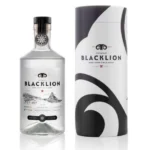
A classic Daiquiri is a short cocktail made with just three ingredients: white rum, lime juice and sugar. Its simplicity means small changes in sweetness or acidity can noticeably alter the drink. The goal is to balance the lime’s brightness with rum’s gentle sweetness and aroma.
Start with a basic recipe
A standard starting point is:
- 60 ml white rum
- 20 ml fresh lime juice
- Just under 2 teaspoons of fine sugar
- Ice
Add the sugar, rum and lime juice to a shaker and stir until the sugar dissolves. Add plenty of ice and shake until the shaker is thoroughly chilled. Strain into a pre-chilled cocktail glass.
Freshly squeezed lime offers the clearest aroma, but bottled juice can also work. Since its acidity varies by product, taste it before using the full amount. If you do not have a shaker, a sturdy, tightly sealed container can be used—provided it is not carbonated and will not leak.
Adjust the balance gradually
If the Daiquiri tastes too sour, add about ¼ teaspoon more sugar next time. Make small changes so the sweetness does not overwhelm the drink.
If it is too sweet, use less sugar in the next glass. You can also add 2–3 ml more lime juice, though too much extra lime can dilute the rum’s aroma.
If the rum seems muted, try reducing the lime and sugar a little before adding more rum. If the alcohol feels too strong, reduce the rum to around 50 ml and lower the lime and sugar proportionally.
Limes vary, so a ratio that worked one day may not work the next. Tasting a drop of juice first can help you judge whether it is especially sharp or mellow.
Using sugar syrup
Sugar syrup, made by dissolving sugar in an equal amount of water, is easier to mix into the drink. Start with 5–10 ml and adjust to the lime’s acidity. Syrup and granulated sugar do not taste equally sweet at the same volume, so taste as you go rather than swapping them mechanically.
Temperature and technique matter
A well-chilled Daiquiri tastes more balanced. Shake with plenty of ice until the shaker feels cold; this chills the drink and adds enough water to bring the flavors together. Shaking for too long with too little ice can leave the cocktail diluted and lukewarm.
Chill the glass beforehand in the freezer or with ice water, then empty it before pouring. Because a Daiquiri is served without ice, its temperature at the moment it is finished matters. The lime’s aroma is delicate when freshly poured, while the rum’s sweetness opens up slightly as the drink warms. Enjoy it soon after making it.
Small details that help
Roll the lime gently under your palm before squeezing to loosen the pulp. Avoid crushing the peel too hard, as this can release bitter or green flavors. Once you have enough juice, there is no need to squeeze out every last drop.
Fine sugar dissolves more easily. Make sure it has dissolved before adding ice; otherwise, the drink may taste sour at first and overly sweet at the end. Chilling the ingredients in advance can also help the cocktail cool quickly without excessive dilution.
It can be useful to jot down the proportions and your impressions each time you make a Daiquiri. After a few attempts, your preferred balance of sweetness and acidity will become easier to reproduce—even when the limes change.
Find your preferred ratio
Use 60 ml rum, 20 ml lime and sugar as a starting point. Add a little sugar if the drink is too sour; reduce the sugar next time or add 2–3 ml of lime if it is too sweet. If the rum’s aroma is hidden, slightly reduce the other ingredients.
There is no need to make drastic changes. Adjust one element at a time, taste, and keep track of what works. A Daiquiri’s three simple ingredients make the balance easy to notice—and rewarding to refine.
You might also like:

10 high-quality whiskey glasses that are perfect for your finest top-shelf pours.

Driver in Staten Island Crash that Injured Two Cops Found Drunk with Heroin and Rum in Car: NYPD Rep...

Discover the delectable offerings of Power Trip 2023, where one can devour birria, dumplings, whiske...