September 2026 85
Sapporo Shifts Beer Production from Canada to the US Amid Tariff Challenges
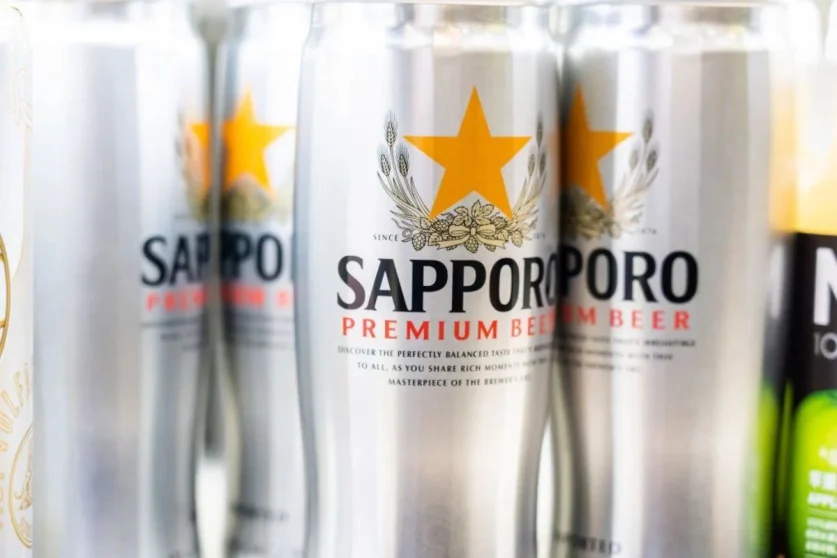
Japanese brewer Sapporo has announced plans to relocate some of its beer production from Canada to the United States in response to the recent implementation of a 50% tariff on beer imported from Canada. This significant cost increase has prompted Sapporo to consider localizing its production.
Rieko Shofu, the chief strategy officer at Sapporo, stated that the tariffs are beyond the company’s control, leading them to reinforce local production efforts. The brewery aims to shift the production of its non-alcoholic beer—currently manufactured in Canada for the U.S. market—to the U.S. by the first half of 2027.
The U.S. is a crucial market for Sapporo, and this change could directly impact operations at its Canadian subsidiary, Sleeman Breweries. To offset the rising costs, Sapporo is exploring options to enhance its production capabilities on the U.S. West Coast, which may involve building new facilities, purchasing existing breweries, or collaborating with third-party manufacturers.
Sapporo has been expanding its presence in the U.S. for several years and has become the best-selling Asian beer brand in the country. As the company aims for further international growth, with plans to invest up to ¥400 billion ($2.6 billion) by 2030, a significant portion of this capital is allocated for international markets due to stagnating sales in Japan.
Additionally, the company announced a partnership with Danish brewer Carlsberg in July to enhance its reach in Southeast Asia.
This strategy shift by Sapporo is indicative of a broader trend, as many companies reassess their production locations amid increasing tariffs and trade barriers worldwide.
For further insights on the implications of tariffs, you can check the following links:
Skrewball Unveils New Peanut Butter & Strawberry Jelly Flavored Whiskey: A Sweet Twist on a Classic!
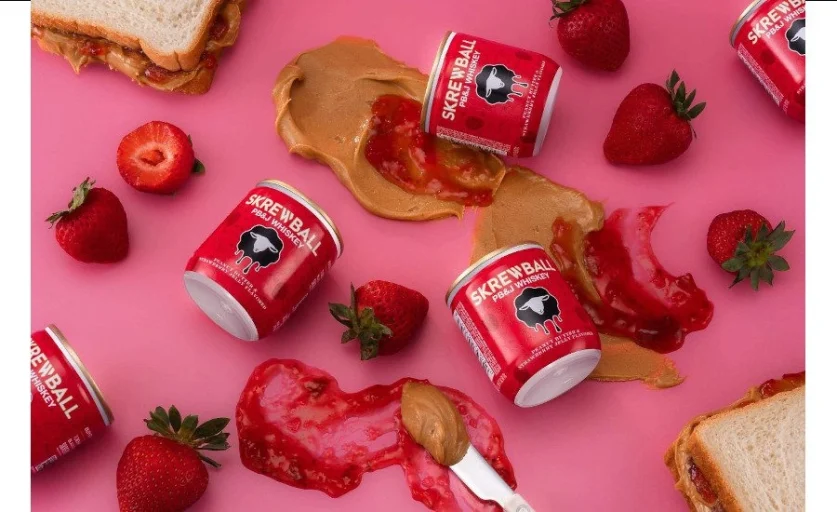
Skrewball Whiskey has officially launched Skrewball Peanut Butter & Strawberry Jelly Flavored Whiskey, marking its first flavor innovation since it established the peanut butter whiskey category in 2018. This new offering combines Skrewball’s signature peanut butter taste with the sweetness of strawberry jelly, reminiscent of a classic sandwich.
Starting this September, consumers in the United States can find this unique whiskey available in 100-ml cans and 50-ml bottles, perfect for various social occasions like tailgates and concerts. The co-founders of Skrewball, Steve and Brittany Yeng, emphasized their aim to deliver bold flavors in convenient packaging, urging customers to enjoy the memorable pairing with friends.
Richard Black, Managing Director of North American Distillers, highlighted that this launch represents Skrewball’s continued exploration of unexpected whiskey flavors. The new release retails at a suggested price of $3.99 for 100-ml cans which contain two servings, and $1.99 for each 50-ml bottle. Both formats feature a 70 proof (35% ABV).
As Skrewball looks to the future, consumers can anticipate additional exciting innovations later in the fall. The brand continues to encourage its followers to "Skrew the Usual" and embrace the unexpected in their beverage choices.
For more details, visit Skrewball Whiskey.
Uncork Your Perfect Pairing: Finding Your Ideal Wine Based on Birth Date and Personality Traits

According to numerology, your birth date can reveal a wine that mirrors your personality, whether you gravitate towards a bold red or a crisp white. Each day of the month corresponds to a different wine style, reflecting the influence of celestial bodies at the time of your birth. Here’s a breakdown of which wine complements your birthday:
Wine Pairings Based on Birthdays
-
1st, 10th, 19th, 28th – Energetic Drinkers: Orange WineThis complex wine, made from white grapes fermented with their skins, showcases flavors such as dried apricot and hazelnut. Known for its unique amber hue, it appeals to bold spirits.
-
2nd, 11th, 20th, 29th – Cosmic Connection: Biodynamic WineFor those born under the Moon’s rule, biodynamic wines, produced with minimal intervention and aligned with lunar phases, suit your evolving moods.
-
3rd, 12th, 21st, 30th – Forward Thinkers: ShirazOptimistic and adventurous individuals enjoy Shiraz, an Australian wine known for its rich and spicy flavor profile, perfect for sharing among friends.
-
4th, 13th, 22nd, 31st – Originality in a Bottle: LambruscoReflecting your vibrant personality, this lightly sparkling Italian red wine combines the refreshing quality of rosé with the fruitiness of red wine, creating a delightful experience.
-
5th, 14th, 23rd – Social Butterflies: Sauvignon BlancAs a sociable individual, you’ll find Sauvignon Blanc, known for its bright citrus notes and versatility in food pairing, to be a crowd favorite.
-
6th, 15th, 24th – Celebration in Every Sip: Sparkling RoséThose born under Venus’s influence adore sparkling rosé, a festive wine with vibrant notes of raspberry and citrus, perfect for social gatherings.
-
7th, 16th, 25th – Sweet and Dreamy: RieslingWith a magical essence, Riesling offers a wide range of sweetness and intense aromas, embodying the dreamy qualities of those born on this date.
-
8th, 17th, 26th – Timeless Tradition: BordeauxThe structured and age-worthy Bordeaux wine, a blend of Cabernet Sauvignon and Merlot, resonates with those who appreciate the beauty of time and maturity.
-
9th, 18th, 27th – Bold and Unique: MalbecMars-born individuals will appreciate Malbec’s adventurous character, evolving from French origins to the heights of Argentina, making it exceptional in flavor and value.
Discovering your ideal wine based on your birth date not only adds a personal touch to your selection but could also lead to delightful exploration of flavors that match your unique personality.
Old Monk is Not Rum? FSSAI’s Bold Claim Leaves Rum Enthusiasts in Disbelief
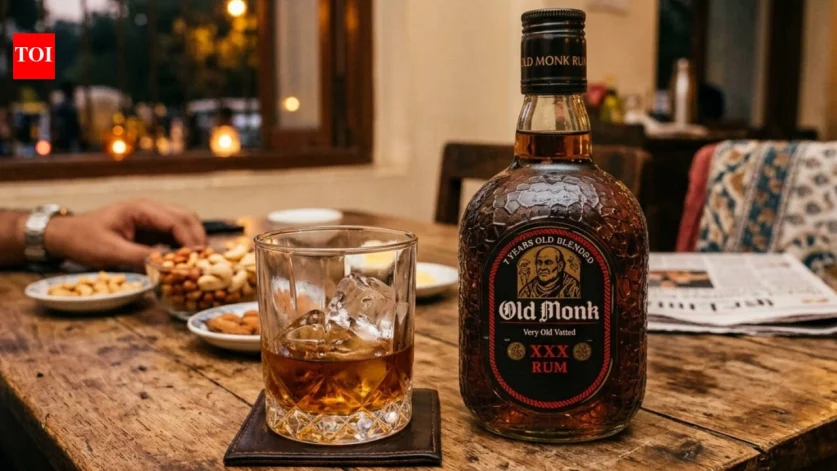
For many Indians, Old Monk is more than just a whiskey; it embodies nostalgia, evoking memories of winter evenings, college days, and cherished conversations. Its iconic status came under scrutiny when the Food Safety and Standards Authority of India (FSSAI) informed the Bombay High Court that Old Monk cannot be labeled as "rum" due to its specific formulation and labeling. The FSSAI argues that the drink is primarily made from neutral spirit with rum flavoring added, disqualifying it from being marketed simply as rum.
This revelation has stirred a wave of disbelief and humor on social media, with many expressing their emotional ties to the brand. Remarks like “Old Monk is not rum! Hum rahe na hum,” reflect the heartache felt by loyal consumers. The drink, enjoyed over years, carries significance for many, tying it to specific moments in their lives.
In its legal stance, FSSAI contends that the nature of Old Monk goes beyond a simple labeling issue. It suggests that the term "7 years old blended" on its packaging is misleading since the product contains a substantial amount of unmatured neutral spirit rather than the aged rum it’s associated with. Under regulations, any age claims for blended spirits should pertain to the youngest component.
The manufacturer, Mohan Rocky Springwater Pvt Ltd, has acknowledged the issues raised and has proposed changes to the label, including clearer indications of "added flavor" and removing the misleading age statement. However, the Bombay High Court has yet to resolve the matter, with the next hearing scheduled for September 11.
As the regulatory debate continues, many Old Monk fans are left to ponder the identity of the beloved drink they’ve known for decades. The question lingers: can a drink that has defined social experiences genuinely remain "rum" in the eyes of its loyal patrons?
EU Beer Production Declines as Demand for Alcohol-Free Options Grows
EU beer production experienced a decline in 2025, reaching a total of 34.4 billion liters. This decrease is notable as the shift toward alcohol-free beer continues to expand within the market. Germany has maintained its position as the largest beer producer in the European Union, followed closely by Spain, which also saw an increase in its beer production.
Of the 34.4 billion liters produced in the EU, 32.3 billion liters were beers with an alcohol content greater than 0.5% ABV, while the alcohol-free segment constituted approximately 2.1 billion liters, representing just over 6% of total production. This aligns with trends from previous years, showing a stagnation in conventional beer production, which contrasts sharply with the growth in the alcohol-free sector.
While Germany leads in production of alcohol-free beer, with output doubling over the past decade, Spain holds the highest consumption rates. In fact, one in four alcohol-free beers consumed in the EU is enjoyed in Spain, where sales of alcohol-free beer increased by 4.6% to 3.3 million hectoliters last year. Notably, this category now makes up about 14% of all beer consumed in Spain, highlighting its mainstream acceptance.
Interestingly, alcohol-free beer does not appear to be completely replacing regular beer. Research indicates that about 90% of those who drink alcohol-free beer also consume traditional beer. This evolution in consumer preferences reflects not only a growing acceptance of alcohol-free alternatives but also an improvement in the quality and marketing of these products, making them more appealing to the mainstream demographic.
Overall, the continued penetration of alcohol-free beer into the market signifies a shift in consumer trends, with younger drinkers leading this transition. As breweries adapt to declining sales of alcoholic beverages, the emphasis on quality and variety in the alcohol-free segment is likely to expand further.
The Hidden Costs of Alcohol-Free Beer: Why It’s More Expensive at Checkout
Researchers observing trends in alcohol-related liver cancer deaths noticed a decline in these fatalities prior to the COVID-19 pandemic. However, this downward trend experienced a significant reversal during the pandemic years.
This shift prompted concerns among health experts, who are working to analyze how socio-economic factors linked to the pandemic, including increased alcohol consumption due to stress and isolation, may have contributed to this troubling development. The data highlights the need for ongoing public health initiatives addressing alcohol use and its consequences, especially in the wake of global crises that can impact mental health and lifestyle choices.
For more information, refer to Alcohol-related liver cancer deaths were falling. Then the trend reversed during the COVID-19 pandemic.
FSSAI Declares Old Monk Not Rum, Maharashtra Ban Remains in Effect
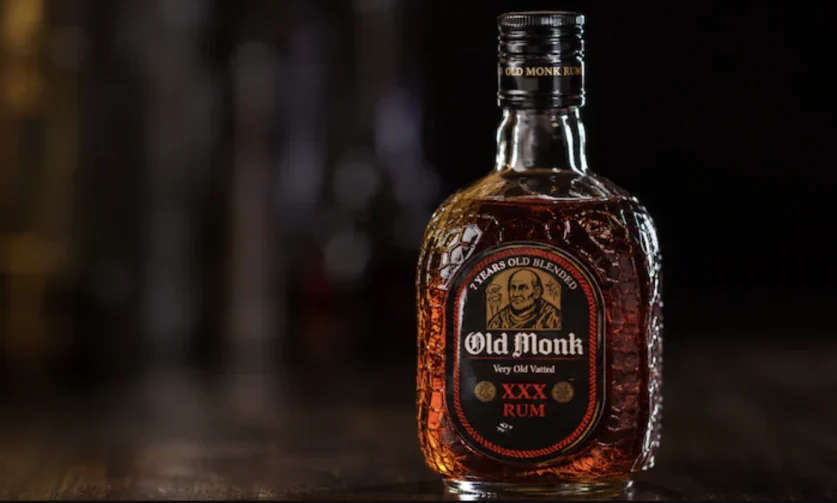
A controversy has arisen around Old Monk, a well-known Indian rum, after the Food Safety and Standards Authority of India (FSSAI) informed the Bombay High Court that it cannot be marketed as “rum” due to not adhering to the regulatory definition. Instead, the FSSAI suggests it be relabeled as a “rum-flavoured spirit.” This dispute has ignited a broader discussion regarding the beverages consumed by Indians for decades.
The FSSAI’s argument isn’t simply a matter of terminology; it states that Old Monk utilizes neutral spirit mixed with artificial flavoring and coloring—elements that disqualify it from being classified as true rum. According to their claims, if Old Monk derives its character from rum flavoring added to a neutral alcohol base, it fails to qualify as rum under existing laws.
The Bombay High Court is expected to revisit this issue on September 11.
This situation reveals the complexities surrounding India’s large Indian-made foreign liquor (IMFL) market. Typically, whisky around the world is produced from fermented grains and rum from sugarcane. However, many Indian spirits capitalize on extra neutral alcohol (ENA) or grain neutral spirit (GNS) as their primary base, predominantly sourced from molasses—a sugar production by-product. These neutral spirits are then flavored and colored to simulate different types of liquors.
The reliance on neutral spirits stems from historical and economic factors. India’s alcohol industry emerged focusing on molasses rather than food grains, which helped create a practical foundation for mass-market drinks. In contrast, premium brands such as single malts often employ traditional production methods.
This dispute transcends mere flavor; it raises significant questions about the necessity of consumer awareness regarding the production processes of alcoholic beverages. The FSSAI’s intensified oversight has led several brands to reevaluate their labeling and product descriptions. For consumers, this matter is about more than just semantics; it is about clear communication regarding the contents and crafting of their preferred drinks.
Old Monk’s deep-rooted presence within Indian culture complicates these regulatory discussions. Launched several decades ago, the brand has gained a devoted following without extensive marketing efforts, engendering strong emotional responses among its loyal consumers. The current debate is perceived not just as a technical issue, but a challenge to the nostalgic connections many have with this iconic drink.
Ultimately, this controversy could compel India’s alcohol industry to enhance transparency regarding product ingredients while regulators and producers collaborate to establish how traditional Indian IMFL products should be defined and marketed.
For further reading, see the India Today article.
Carpe Wine: Embracing the Finer Sips Beyond the Stein
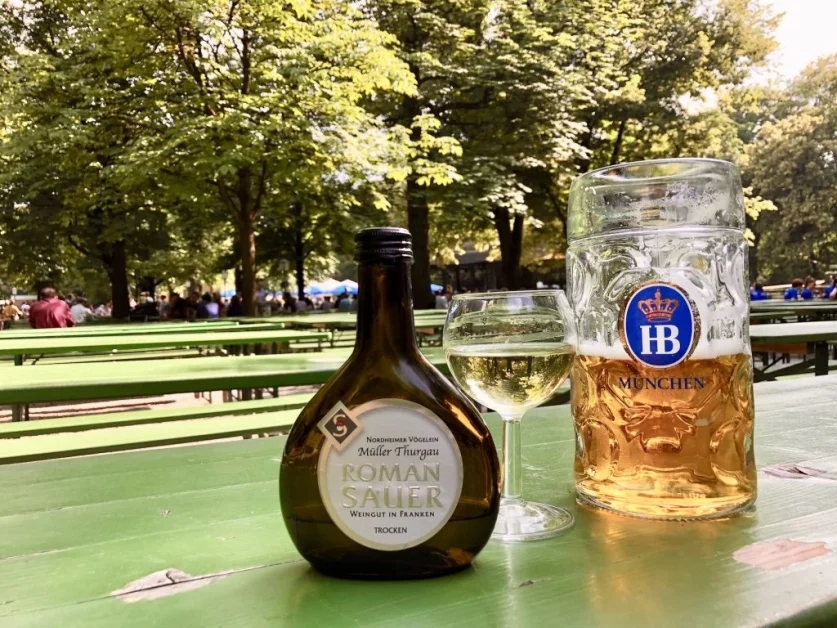
This weekend marks the start of Oktoberfest celebrations across the valley, which are primarily known for featuring German beer. However, it’s also a great opportunity to explore another of Germany’s renowned products: wine. Unfortunately, the festivals in Beaver Creek, Vail, and Gypsum won’t include German wines this year, but wine enthusiasts can still find some domestic options if beer isn’t appealing.
Germany is famous for much more than beer, especially its riesling, which constitutes nearly 25% of all wine produced in the country. While riesling often dominates, Germany also grows a significant number of red grape varieties, making the wine industry dynamic as climate changes influence viticulture.
Historically, Germany faced challenges regarding its wine quality in the 1980s due to exports of subpar, overly sweet bulk wines, like Liebfraumilch and Blue Nun. Fortunately, there has been a substantial transformation since then. With 13 officially recognized wine regions, German wines include an array of styles, from sparkling to sweet.
Riesling is at the forefront of German wines, thriving in the country’s cool climate and offering a range of flavor profiles from apple and lemon to wet slate. While most understand riesling as a sweet wine, the trend is shifting towards drier versions, gaining popularity among winemakers.
In addition to riesling, German vineyards produce other excellent white wines such as Müller-Thurgau and pinot varieties. Notably, Germany ranks as the third-largest producer of pinot noir worldwide, or spätburgunder, which has increasingly flourished due to improved farming practices and warmer climates.
Interestingly, not all rieslings are sweet. The sweetness level depends largely on whether fermentation is allowed to complete, thereby consuming all natural sugars. Labels indicating "Trocken" usually denote drier wines, which carry higher alcohol content, while those bearing lower ABV percentages tend to be sweeter.
For anyone looking to venture beyond the festivals, local spots like Ein Prosit, Alpen Rose, and Pepi’s supply a selection of German wines for sampling. When shopping at home, retailers such as Beaver Liquors offer a variety, particularly dry rieslings.
As you revel in the Oktoberfest atmosphere, consider elevating your experience with a glass of German wine. Happy sipping!
Get Savvy: Essential Wine Lingo for Aspiring Collectors with Dr. Lori
Building a wine collection involves more than just acquiring bottles; it requires understanding the language of wine. Collectors today are driven by a fascination with rare vintages, esteemed vineyards, and unique characteristics that elevate certain bottles to high value.
The landscape of wine collecting has evolved, nearly rivaling the art world in its allure. International wine auctions see bids that soar to astonishing heights, showcasing the cultural significance and investment potential of fine wines. As you embark on your own collection, it’s crucial to familiarize yourself with the terminology associated with wine.
Key Considerations for Collecting Wine
-
Labels: The wine label can reveal vital information, including alcohol content and whether it is estate bottled, a mark of quality indicating the wine was bottled on the premises where the grapes were grown.
-
Regions: Wines hail from diverse locations around the globe. For example, French wines typically name the region on the label, while American wines focus on the vineyard or winery.
-
Corks: Besides labels, corks can also offer insights into authenticity.
Learning the Lingo
Understanding wine terminology is essential for any collector. Here are some key terms:
- Tannin: Acid found in grape skins, stems, and seeds.
- Body: Refers to the weight or fullness of the wine, often related to its alcohol content.
- Depth: The complexity of flavors within a wine.
- Clarity: The visual appeal of the wine.
- Acidity: A crucial element for the structure of the wine.
- Nose: The wine’s aroma.
Evaluation Process
When evaluating wine, use a systematic approach: observe its appearance, inhale its aroma, and taste it. Developing an understanding of what you enjoy may take time but is fundamental to building a satisfying collection. Ultimately, the process of exploring and enjoying wine can be just as fulfilling as the collection itself.
For those looking to expand their knowledge or appraising abilities in collectibles, Dr. Lori Verderame advises learning the nuances of what makes a wine exceptional. With practice, you can discern good bottles that enhance both your collection and your palate.
FSSAI Informs Bombay HC: Old Monk Cannot Be Labeled as Rum
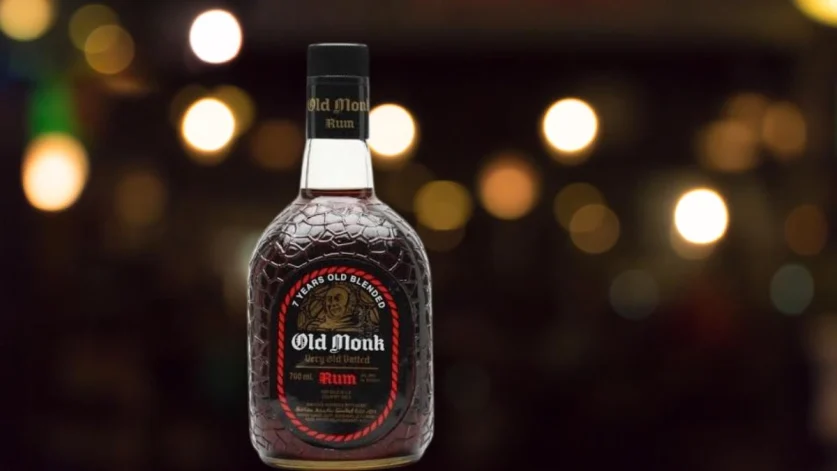
The Food Safety and Standards Authority of India (FSSAI) recently informed the Bombay High Court that Old Monk, a popular rum brand, cannot be classified as rum due to its composition, which includes neutral spirit and rum flavoring. FSSAI’s counsel stated that the product should not be marketed as rum but could instead be labeled as a “rum-flavored spirit.”
This decision follows complaints about the accuracy of Old Monk’s labeling, particularly concerning a claim that the beverage is "7 years old blended." FSSAI posits that the bulk of Old Monk consists of neutral, unmatured spirit, with only a slight percentage of matured rum included. The Bombay High Court raised concerns about whether the "7 years old blended" description could mislead consumers regarding the aging process of the entire product.
Mohan Meakin, the manufacturer of Old Monk, has submitted revised labels for review after agreeing to eliminate the "7 years old blended" claim and enhance the visibility of added flavor information. FSSAI has requested more time to evaluate these new labels, with the next court hearing scheduled for September 11.
The controversy also leads to broader implications as FSSAI has issued sales prohibitions on various products from several manufacturers, including Mohan Rocky Springwater and United Spirits. Notably impacted brands include Old Monk rum variants, McDowell’s No.1 Rum, and several whiskies.
For additional insights about this ruling, visit FSSAI clarification.