September 2026 85
Sweet Indulgence: Top Wine and Candy Pairings at Trader Joe’s, Recommended by a Sommelier
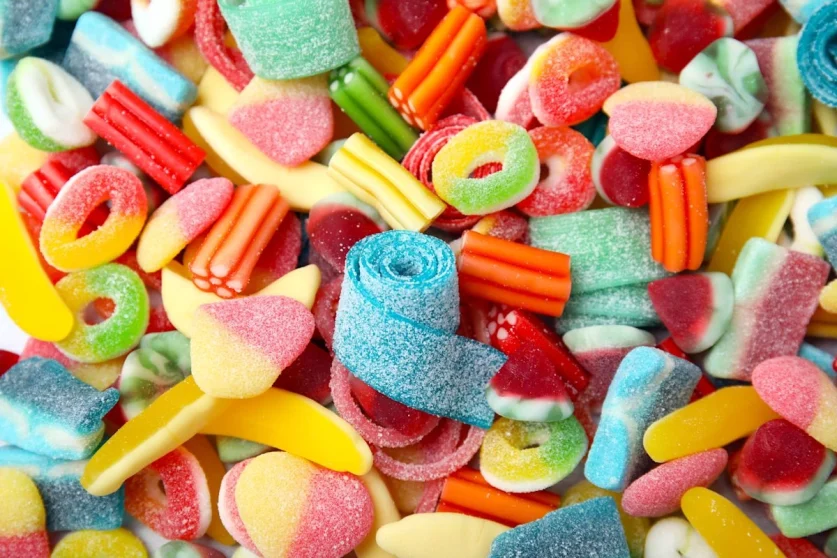
If you’ve ever browsed the candy aisle at Trader Joe’s and wondered which wine might pair well with your sweet tooth, Certified Sommelier Sam Capaldi offers some surprising suggestions that have captured attention on Instagram. Her recommended pairings step outside the conventional wine-dinner norms and delve into the delightful world of wine and candy combinations.
Pairings from Trader Joe’s
-
Emma Reichart Rosé & Sour Strawberry Candy Belts
- Capaldi loves pairing rosé with sour candies, and Trader Joe’s Sour Strawberry Candy Belts are no exception. The fruity rosé complements the candy’s sweet strawberry flavor, enhanced by its tangy finish.
-
Patroferno Appassimento Puglia Primitivo & Milk Chocolate Peanut Butter Cups
- This combination takes the already adored Milk Chocolate Peanut Butter Cups to new heights when paired with Primitivo, an Italian wine that echoes Zinfandel. The rich chocolate and peanut butter create an enticing match with the wine’s bold flavors.
-
Conegliano Valdobbiadene Prosecco Superiore & Dark Chocolate Sticks With Crispy Rice
- These unassuming treats are surprisingly delicious when paired with the bubbles of Prosecco. The crispy texture of the chocolate sticks and the sparkling wine create a refreshing experience.
-
Reggiano Lambrusco & Teensy Candy Bars
- Capaldi suggests pairing Lambrusco with Trader Joe’s miniature candy bars, akin to Snickers. The wine’s fruity notes and slight effervescence perfectly complement the chocolate and nuttiness.
-
Ca’Storica Amarone della Valpolicella & Dark Chocolate Bark
- The intensely rich flavors of Amarone pair exceptionally well with Trader Joe’s Dark Chocolate Bark, creating a decadent combination.
-
J. Lohr Estates Riverstone Chardonnay & Apple Crisp Inspired Milk Chocolate Caramels
- For those skeptical of Chardonnay, this combo might be a game-changer. The apple-flavored caramel, paired with the wine, evokes a comforting autumn vibe.
-
Sauvignon Republic Marlborough Sauvignon Blanc & Spooky Bats & Cats Sour Gummy Candies
- Perfect for the spooky season, this fruity white wine contrasts delightfully with the tangy gummy candies, making it a fun pairing.
-
Pine Ridge Chenin Blanc + Viognier & Fruity Gummy Candies
- Finally, Capaldi recommends pairing tropical Chenin Blanc with Trader Joe’s Fruity Gummy Candies. The flavors in the wine mirror those in the sweets, making for a harmonious pair.
These innovative pairings highlight how wine can turn a casual candy treat into a sophisticated experience, showcasing that the world of wine isn’t confined to fancy dinners but can also embrace playful desserts.
Crafting My Own Brew: A Real Experience at a Shared Brewery in Hachioji
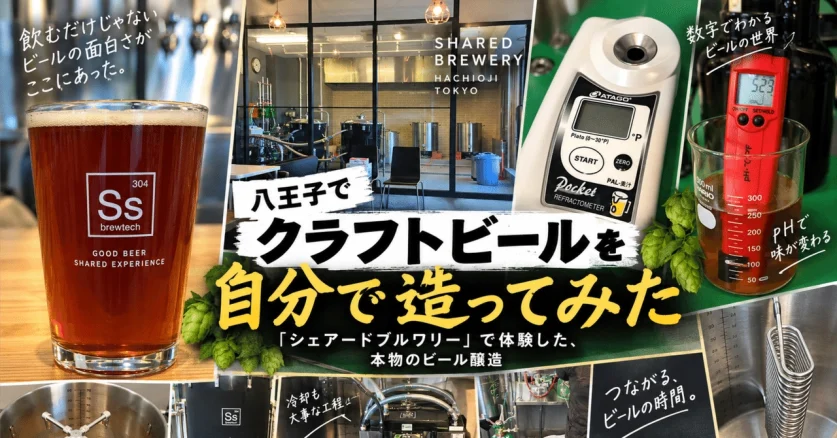
When you develop a love for craft beer, it’s natural to start asking questions about its intricacies. You might wonder about various styles like IPAs, the role of malt, the reasons behind beer color differences, and the flavor variations among beers. Visiting breweries often introduces you to sophisticated brewing equipment—large stainless steel tanks, fermentation vessels, and copious hops. However, the experience usually stops short of hands-on involvement.
In Hachioji, Tokyo, there exists a unique brewery called Shared Brewery that allows the general public to brew their own beer. While sorting through some old photographs, I stumbled upon images from my visit to the brewery, capturing the essence of the brewing process—from the equipment to the actual brewing moments. I want to revisit my experience of brewing craft beer there.
A Journey of Rediscovery
Initially, I struggled to recall the exact location, wavering between Hachioji, Fuchu, and Chofu. But as I examined the images closely, I pinpointed it to Shared Brewery in Naganumamachi, Hachioji, accessible via Hirayamajoshi-koen Station on the Keio Line. The concept of this brewery emerged back in 2017 when it was proposed as a space for beer enthusiasts who had no way to brew at home, highlightinging the importance of facilitating hands-on beer brewing experiences.
The Concept of Shared Brewing
The term "Shared Brewery" suggests a communal space for brewing. What sets it apart is that it caters not only to professional brewers but also to average beer lovers. The winery’s mission is to provide an accessible experience to people interested in the brewing process, which is quite rare in Japan due to licensing laws that restrict home brewing of alcoholic beverages. Thus, the concept was born: "If you can’t do it at home, let’s offer people a way to brew at a licensed brewery."
A Unique Brewing Space
The brewery’s interior is reminiscent of a bright workshop, contrasting with the extensive machinery seen in large-scale beer factories. Here, you feel the closeness of the equipment and the actual brewing process, an inviting atmosphere that makes the idea of participating in beer making far more tangible. The close proximity to brewing apparatus encourages a sense of involvement as you see hoses, pots, and measuring instruments firsthand.
The Tools of Craft
In one of my photographs, the logo of Ss Brewtech is visible—it’s a brand known for its quality brewing equipment. The brewery started by importing small-scale pots designed for homebrewing from the U.S., a significant factor considering each batch brewed is manageable for an individual beer lover.
The Brewing Journey Begins
The foundation of beer lies in malt—its starch is converted into sugar, which yeast then consumes, leading to alcohol production. In my photos, you can see a large steel container mixed with grains and liquid, establishing the initial raw state before it transforms into the beer we enjoy.
Brewing as Science
I was intrigued by a small white machine labeled ATAGO PAL-Wort, a digital refractometer used to measure the concentration of malt solution. Brewing isn’t just about following a recipe; it involves close monitoring akin to scientific experimentation. The process requires precision and adjustments based on measurements, blending culinary art with science.
Understanding pH Levels
Another image captures the measurement of pH levels—essential for adjusting acidity during brewing. Such measurements aren’t something typically considered by drinkers, but they play a crucial role in crafting the final product. This emphasizes the blend of sensory experience with scientific rationale in beer making.
The Complex Brewing Process
The brewing equipment is interconnected with numerous hoses for transferring liquids, cooling, and maintaining sanitary conditions. This intricate setup reveals the various industrial processes involved, underscoring that crafting beer is not merely about mixing ingredients—it’s about adhering to processes that ensure quality and safety.
The Responsibility of Fermentation
After brewing, the beer is stored in conical fermenters, where yeast takes over the role of transforming the wort into beer. Unlike cooking, this process requires patience, as you cannot rush fermentation; the yeast must do its work over time.
The Anticipation of Waiting
A distinctive aspect of brewing is that despite the hours spent preparing, the beer isn’t ready to drink immediately. This particular waiting period adds excitement, as it integrates the element of anticipation into the experience.
Changing Perspectives
When I looked back at the final photo of a clear pint of beer, the context shifted dramatically. This glass wasn’t just a drink—it was the culmination of a complex journey from grains to fermentation equipment. Understanding the steps and processes involved enriches appreciation for craft beer.
Beer Culture in Hachioji
The inception of Shared Brewery relates back to its founder, Daisuke Kobayashi, who encountered homebrewing culture abroad. With the legal restrictions in Japan, Kobayashi’s vision was to open a licensed brewery where individuals can enjoy the hands-on experience of brewing beer themselves. This initiative has potential implications for the overall craft beer culture, promoting not just consumption but also participation.
Continuous Evolution
Having opened in Hachioji in 2017, Shared Brewery has continued to thrive. Their focus on experiential brewing allows guests to create small batches of beer, reflecting their commitment to expanding how beer culture is perceived.
Cherishing the Moment
Reflecting on those old photographs, I’m grateful for the depth they capture—from the intricacies of brewing to the final glass of beer. They transform what could simply be a memory into a comprehensive story narrating the journey of craft beer creation.
Conclusion
Ultimately, craft beer is not just about enjoyment; it’s about understanding the effort involved in its creation. Having stepped into the brewing process, my perception forever shifted, making each subsequent glass a new and more nuanced experience.
Mahomes Sparks Curiosity: Fans React to QB’s Mysterious Drink During Colts Game

Patrick Mahomes, quarterback for the Kansas City Chiefs, sparked a wave of speculation among NFL fans when a clip surfaced of him appearing to take a mysterious drink before the game against the Indianapolis Colts. In the video, Mahomes tilts his head back for a quick swig, leading many to humorously suggest he might be drinking vodka prior to kickoff.
As the Chiefs geared up for Week 2, aiming to build on their first victory, Mahomes’ peculiar pre-game ritual quickly became a trending topic online. Fans flooded social media, trying to pinpoint the beverage in question. Some viewers, who noticed the incident live, expressed their disbelief, with one stating, “Knew I wasn’t tripping when watching that LMAOOOOOOO”, and another admitting, “I had to do a double check.”
The playful banter escalated, with fans joking about needing to ease their nerves due to the Chiefs’ wide receivers’ performance, with comments like, “With those WR’s he’s throwing too, I would’ve been downing shots like a Friday night.” Others speculated on more plausible drink options, suggesting it might be pickle juice to prevent cramps or a refreshing lemon cello shot. The creativity of the comments continued as fans cheered him on, urging him to chug “whatever works.”
However, amidst the lighthearted theories, one fan dismissed the vodka idea, stating emphatically, “That’s not no damn vodka.” In fact, the drink in question was later identified as pickle juice, a known remedy used by the Chiefs to stave off muscle cramps.
This incident serves as a reminder of how a brief video can incite speculation and humor when it involves a superstar like Mahomes. For him, it was simply another part of his pre-game routine.
The Rising Cost of Nonalcoholic Cocktails: Unpacking the Trend
Every few months, the conversation around the pricing of nonalcoholic cocktails resurfaces, prompting debate over why these drinks often cost as much, if not more, than their alcoholic counterparts. Historically, it was understood that alcoholic beverages carried a premium due to their rarity during Prohibition, but that perception is becoming outdated.
At craft cocktail bars, the preparation of nonalcoholic drinks involves just as much time, labor, and overhead as alcoholic ones, if not more. Creating these sophisticated cocktails isn’t just about mixing juice and soda; bartenders need to consider texture and balance without relying on alcohol. As Harrison Ginsberg from Overstory explains, “We wouldn’t serve the nonalcoholic drinks we make to a kid; they’re developed for a sophisticated palate.”
Traditional cocktails benefit from established recipes and structures, but nonalcoholic drinks require innovative approaches to achieve a similar depth of flavor. With ingredients like gin or whiskey, alcohol serves as an effective extractor of flavor compounds, whereas water can only deliver a fraction of that profile. According to beverage consultant Christopher Longoria, this often means needing to use double or triple the amount of raw ingredients to create adequate flavor in alcohol-free beverages, significantly raising production costs.
Some drinks, such as those found at Vandell in Los Angeles, can involve processes like sous vide cooking and multi-day preparations. Ginsberg notes that their hojicha tonic requires high-quality ingredients and extensive preparation, making it a labor-intensive project with slim profit margins.
Moreover, many nonalcoholic spirits are priced comparably to their alcoholic counterparts. For instance, a 700-ml bottle of Seedlip nonalcoholic spirit can cost over $30, similar to mid-tier whiskey. However, using a de-alcoholized spirit in cocktails isn’t always effective since these substitutes tend to lack the bold flavors found in traditional spirits and may require additional adjustments to maintain balance.
There’s also a growing trend of combining nonalcoholic beverages with mood-altering ingredients, such as adaptogens, nootropics, and mushrooms. These alternatives are often at par price-wise with high-quality spirits, complicating the price expectations around nonalcoholic drinks.
Ultimately, the perception of nonalcoholic cocktails as being overpriced reflects broader misunderstandings about the intricacies of food and beverage service. Bartenders emphasize that their goal isn’t to overcharge patrons but rather to cover their operational costs and create inviting communal spaces. As consumer perceptions evolve and knowledge of the true costs of inclusivity in drink service grows, it is hoped that all patrons can appreciate the value and craftsmanship behind every cocktail, alcoholic or not.
What British Sailors Added to Their Rum in the 1700s: The Secret Ingredients Behind the Nautical Beverage
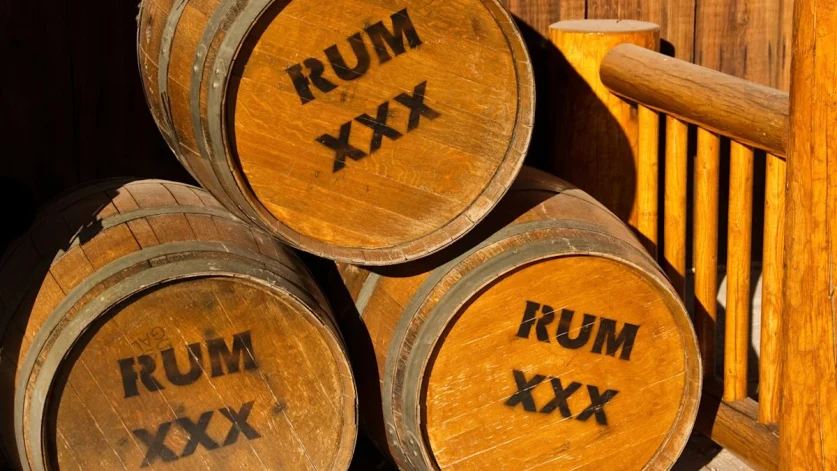
In the 18th century, British sailors relied heavily on rum as a crucial part of their rations, receiving a pint daily from the Royal Navy since the 1650s. However, as time went on, sailors began to mix their rum with three other ingredients: water, sugar, and lime juice, leading to what some consider the earliest version of a cocktail.
The transition from beer and wine to rum was influenced by Britain’s establishment of a colony in Jamaica, which made rum more readily available. Despite its popularity, the higher alcohol content of rum often led to problematic behavior among sailors, who sometimes saved their rations to drink multiple servings at once, risking their ability to perform their duties.
In 1740, Vice Admiral Edward Vernon recognized the need for moderation. He mandated that sailors dilute their rum with water and permitted the addition of limes and sugar for flavor. This concoction soon became known as "grog," derived from Vernon’s nickname, which referred to his grogram-fabric cloak.
Interestingly, while citrus was used in grog, it wasn’t initially for health reasons. The connection between citrus and scurvy prevention was not established until later. It wasn’t until 1747 that James Lind’s experiment aboard the HMS Salisbury demonstrated that citrus could combat scurvy, a disease caused by vitamin C deficiency. Lemons, not limes, became a required supply on ships in 1795, long after the adoption of grog.
For those curious to experience the traditional drink of 18th-century British sailors, recreating grog is straightforward. The traditional mixture involves four parts water to one part rum, with sugar and lime juice added to taste. Pusser’s rum is noted as a practical choice for this classic drink, resembling the rum served by the Royal Navy until its official ration was discontinued in 1970.
Today, sailing and naval life have evolved significantly compared to the 1700s. Modern conditions are vastly improved, eliminating the necessity of the limited diets that sailors once faced, such as dried fish and hardtack. Nevertheless, the basic ingredients of water, sugar, and lime in rum echo through the cocktails enjoyed by some contemporary sailors.
Transforming Your Whiskey Sour into the Coziest Fall Cocktail: Tips and Tricks
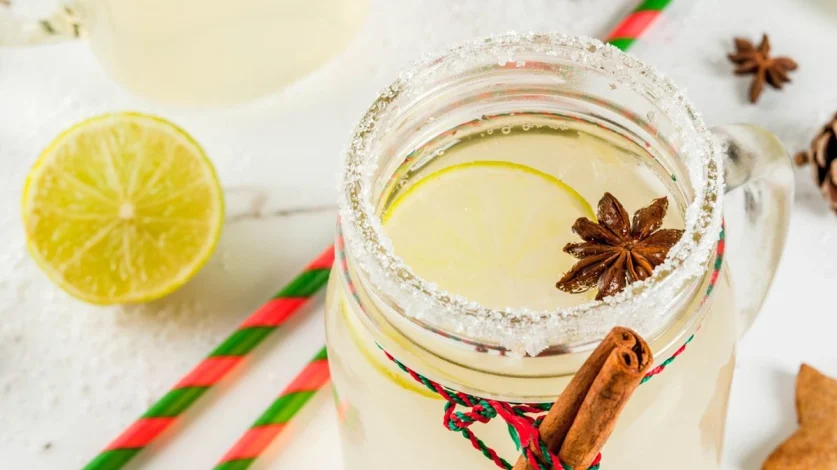
When you think of a warm fall cocktail, classic options often come to mind like a hot toddy or a maple-infused old fashioned. However, there’s another cocktail that can easily embrace the flavors of the season, the whiskey sour. This beloved drink, typically made with bourbon, lemon juice, simple syrup, and sometimes egg white, embodies a delightful balance of sweet and sour.
To elevate the whiskey sour for fall, leading bartender Derek Crow from Bar Zazu in Resorts World Las Vegas suggests substituting the simple syrup with a cinnamon syrup. This twist adds a warm, spiced flavor that perfectly complements the existing base of the cocktail. You can either buy cinnamon syrup or make your own by steeping cinnamon sticks in a sugar-water mixture for several hours.
Furthermore, Crow recommends incorporating allspice dram to elevate the cocktail’s flavor even further. This unique liqueur, which brings an aromatic blend of spices like cinnamon, clove, and nutmeg, enhances the fall vibes and pairs well with whiskey and lemon juice.
For those who enjoy visual flair, adding a flavored egg white foam with a hint of ground cinnamon can create an aesthetically pleasing and delicious topping. If egg whites aren’t to your liking, a simple sugar rim—by wetting the glass with lemon juice and dipping it into sugar—adds an appealing crunch and extra sweetness.
With these tips, your whiskey sour can transform into a cozy, comforting cocktail perfect for enjoying during the chilly autumn months.
Is SUNMAI ‘Le Blé d’Or Taipei Q Square’ the Ultimate Stop for Taiwanese Craft Beer Before Your Flight Home? [2026 Edition]
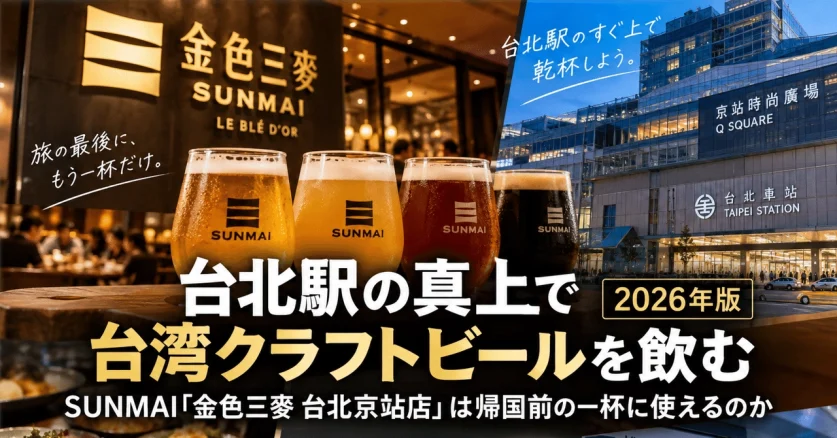
As your trip to Taiwan comes to a close, there’s a moment to savor one last taste of the local culture before heading to Taoyuan Airport. You’ve checked out from your hotel, suitcase in tow, and the urge to indulge in a final glass of Taiwanese craft beer beckons. Instead of trekking to a distant brewery in Da’an or Xinyi, you can conveniently sip craft beer right at Taipei Main Station.
On the 4th floor of Q Square, adjacent to Taipei Main Station, lies SUNMAI (Le Blé d’Or), a prominent name in Taiwan’s craft beer scene since its inception in 2004. This location makes it an ideal spot for travelers looking to enjoy a local drink without straying far from their next destination.
An Overview of Le Blé d’Or
Le Blé d’Or is more than a beer hall; it traces its roots back to Taiwan’s liberalization of private alcohol production post-WTO accession. As one of the earliest private breweries, it has played a significant role in cultivating Taiwan’s burgeoning craft beer movement. Today, the brand stands proudly alongside many others, reflecting the thoughtful evolution of the local beer scene.
The Essence of Freshness
In 2004, the Taiwanese beer landscape was heavily dominated by mass-produced options. SUNMAI introduced a "freshly brewed, freshly drunk" philosophy, emphasizing the importance of consuming beer at its peak freshness. They engaged with local establishments from the start, paving the way for their restaurant concept that complements their brewing operations.
Notable Brews to Try
When visiting SUNMAI, you must consider the Honey Beer, which is crafted with Taiwanese longan honey. This beer shines brightly, having won a gold medal at the European Beer Star competition, marking it as a standout choice for both locals and visitors alike. Another excellent option is their Wheat Beer, awarded silver at the World Beer Cup, celebrated for its aroma and rich mouthfeel, showcasing SUNMAI’s balance of local ingredients and brewing technique.
Dining Experience
It’s worth noting that the Q Square branch behaves more like a restaurant than a typical craft brewery. With around 250 seats, it accommodates large groups comfortably, making it accessible even for those unfamiliar with Taiwanese craft beer. The menu, designed for shared experiences, combines a wide array of dishes with their distinctive brews.
Travel Convenience
What sets SUNMAI apart as a "pre-flight drink" destination is its proximity to the Taoyuan Airport MRT A1 Taipei Main Station. For some airlines, you can even check in and drop off your suitcase at this station, allowing you to explore the city worry-free before your flight. Enjoy a leisurely visit to SUNMAI, savor one last drink, and then make your way to the airport with just your carry-on.
A Thoughtful Approach to Timing
It’s essential, however, to manage your time wisely. While the MRT train is frequent, the various processes—walking to the station, waiting for the train, security checks—can take longer than anticipated. Rather than squeezing in one last drink right before departure, aim to enjoy your final moments in Taiwan with a relaxed mindset.
The Last and First Sip
This location isn’t just for last-minute visits. It also serves as a welcoming first stop for newcomers arriving at Taoyuan Airport. After a swift MRT ride to Taipei Main Station, visiting Q Square for that initial taste of Taiwanese craft beer sets the tone for an unforgettable trip.
Conclusion
As you reflect on your Taiwanese adventure, sipping a glass at SUNMAI embodies not just the flavors of the island but also a history of its craft beer development. Letting the last drop of Honey Lager or Wheat Beer mark your farewell creates a memorable end to your journey, ensuring that the experiences you had in Taiwan linger on even as you head back home.
Basic Information
Store Name: Le Blé d’Or Taipei Q Square Branch
Address: 4F, No. 1, Section 1, Chengde Rd, Datong District, Taipei City
Business Hours: Sun-Thu 11:00-23:00 / Fri-Sat 11:00-24:00
Last Order: Sun-Thu 22:00 / Fri-Sat 23:00
Access: North side of Taipei Main Station, inside Q Square.
You can visit the official site for updated information before planning your trip.
Pouring a Glass: 4 Essential Country Songs About Whiskey from Chris Stapleton to George Jones
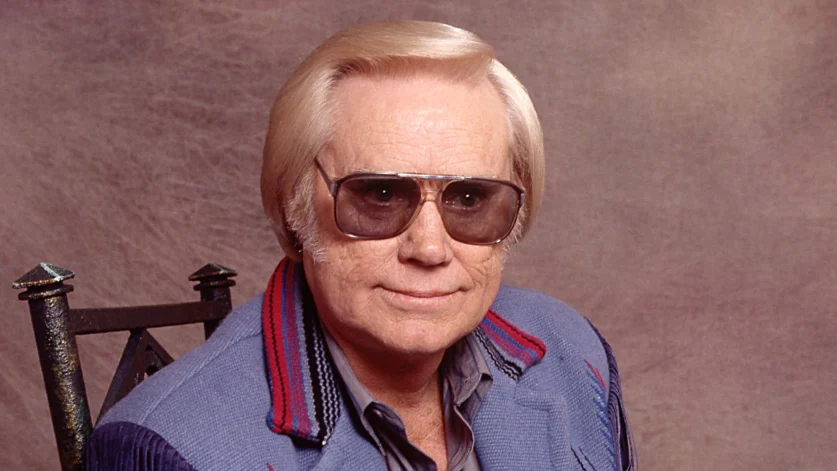
Country music has a rich tradition of songs centered around whiskey, with some tracks making the drink a focal point in their narratives. The following four songs capture both joyful and sorrowful moments associated with whiskey, showcasing its dual nature in the context of life experiences.
“Tennessee Whiskey” by Chris Stapleton
Chris Stapleton’s rendition of “Tennessee Whiskey” stands out as a remarkable interpretation of this classic. While originally recorded by David Alan Coe and George Jones, Stapleton’s smoky blues-infused arrangement has become the most recognized version. The song elegantly compares a lover to whiskey, cementing its status as a cherished drinking song across the genre.
“Whiskey River” by Willie Nelson
Another iconic track, “Whiskey River,” has been a staple in Willie Nelson’s performances since the 1970s. Written by Johnny Bush, this song poignantly illustrates the age-old attempt to drown heartache in drink, making it a profound expression of the comfort sought in whiskey.
“C.C. Waterback” by Merle Haggard & George Jones
This collaboration between Merle Haggard and George Jones fuses two legends with humor and a hangover. The title refers to Canadian Club whiskey paired with a water chaser, encapsulating a lively party atmosphere that leaves its marks. The lyrics humorously reflect the aftermath of a wild night, making it a memorable ode to the social aspects of drinking.
“White Lightning” by George Jones
Finally, George Jones delivers a lively narrative with “White Lightning,” his first No. 1 hit that celebrates the potent moonshine from the Appalachian hills. More than just a novelty song, it embodies the rebellious spirit of moonshiners, depicting their evasion of the law while crafting irresistibly strong brew, capturing the essence of that era.
These songs collectively reflect the enduring connection between whiskey and country music, portraying both the highs and lows of life through its lens.
Michelin’s New Venture: The Controversy of Rating Wineries in the Wine World

The Michelin Guide has recently expanded its renowned rating system to wineries, leading to a mix of confusion and skepticism among wine enthusiasts and professionals. Traditionally focused on restaurants, Michelin’s new initiative assigns grape ratings to wineries, with one grape indicating a good producer, two for an excellent producer, and three for exceptional ones.
Despite the significant changes, the wine community’s response has been muted. Robin Kelley O’Connor, a prominent wine educator, noted a lack of discussion within the industry. However, social media chatter tells a different story, as many industry insiders express their incredulity—best exemplified by Adam Lee of Clarice Wine Company, who called the ratings "laughable.”
The Michelin Guide’s expansion has included regions like South Korea and South Carolina over the last decade, and as of 2024, it has also begun rating hotels. The latest ratings for wineries were released in Bordeaux, where 84 wineries received recognition. Among Bordeaux’s 7,000 producing châteaus, only a select number secured grape ratings, sparking debate about the criteria and selection process.
The guide’s approach has raised eyebrows, particularly regarding its criteria for inclusion. Many of the notable omissions—like Château Margaux and others that received lower ratings than expected—have incited questions about the evaluators’ expertise. Critics argue that the complexity of vineyard assessments and the expertise required to properly judge them is beyond what the Michelin inspectors might possess.
Jeff Leve, a wine critic, pointed out that the guide has not been transparent about its evaluation methods and that the focus on whole estates rather than individual vintages ignores the realities of wine production, where variations can change dramatically from year to year.
While some prestigious wineries celebrated their ratings, like Château Troplong Mondot, the sense among many is that the guide should stick to its culinary roots. Yet, amidst the controversies, some industry voices see an opportunity for increased visibility for the struggling wine market. The introduction of such a distinguished name like Michelin into the wine world could bring attention to lesser-known vineyards, providing a potential boost to sales despite the backlash.
Overall, the reception to Michelin’s venture into the wine sector remains mixed, with many hoping for clarity and credibility in the ratings moving forward.
The Last-Minute Pasta: How Carbone’s Spicy Rigatoni Vodka Became a Global Sensation
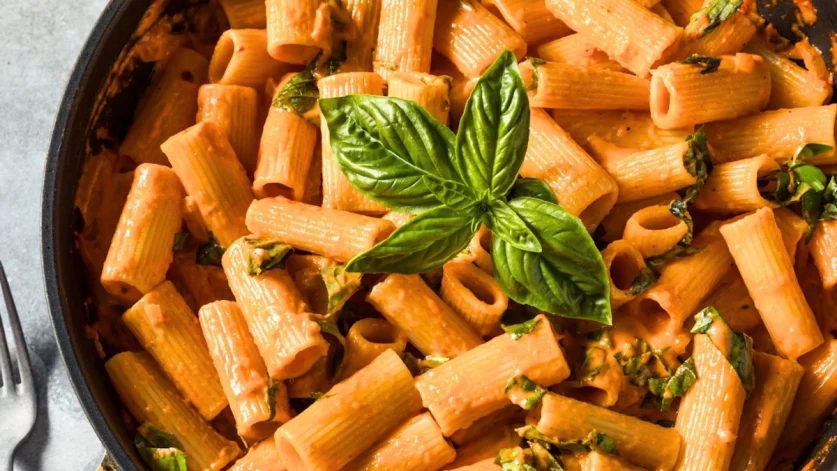
Mario Carbone’s journey into the culinary spotlight began with an unexpected menu development in 2013 at his restaurant, Carbone, in New York City’s Greenwich Village. Faced with the challenge of incorporating a vegetarian option, he quickly crafted a cheeky spicy rigatoni vodka dish, little aware that this last-minute addition would become a cultural phenomenon.
The original Carbone, known for its exclusive dining experience and a reservation system akin to a lottery, saw the spicy rigatoni vodka rise above other menu items like veal parmesan and lobster fra diavolo. This pasta dish went from a mere afterthought to the centerpiece of conversations amongst diners, achieving fame that transcended the restaurant.
Carbone expanded to Las Vegas the same year, maintaining the dish’s reputation on the Strip and eventually spreading to locations in Miami, Hong Kong, Dallas, and London. The newest venue, CARBONE Riviera, opened at the Bellagio hotel in late 2025, offering an elevated experience against a stunning backdrop of fountains, yet still keeping the spicy rigatoni vodka menu staple.
As demand soared, getting a taste at the restaurant became a logistical challenge. It wasn’t until the summer of 2023 that Carbone Fine Food released a jarred version of the spicy vodka sauce, allowing home cooks to recreate the dish. The jarred product encouraged culinary experimentation, but dedicated fans had already started reverse-engineering the recipe via social platforms well before its official release.
What makes this dish remarkable is not only its journey from a last-minute option to a front-runner in the culinary world but also how it continues to evolve. It is served in select restaurants, made available in stores, and crafted at home by aspiring chefs. The spicy rigatoni vodka has outgrown its original setting, reflecting a broader home-cooking trend while setting a standard for vodka sauce itself.
Carbone’s serendipitous creation changed the landscape of pasta dishes, solidifying its place in culinary history, demonstrating how a simple need can lead to unexpected greatness.