August 2026 89
The Surprising Impact of Beer on Your Cholesterol Levels: What You Need to Know
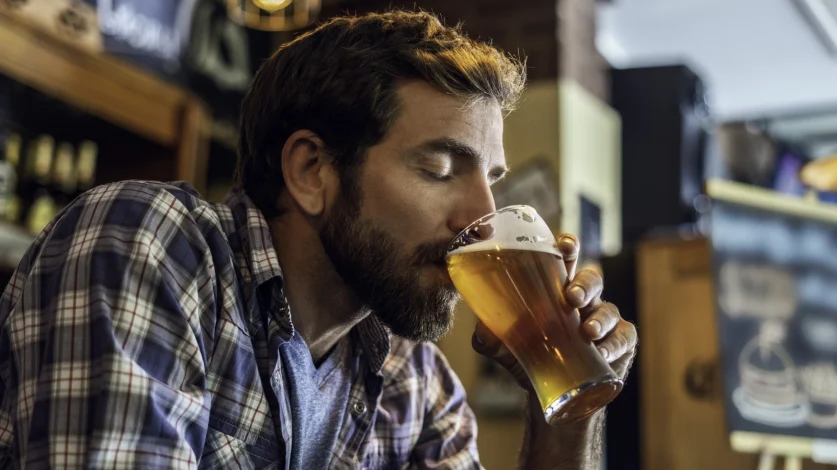
If you’ve recently been told by your doctor that your cholesterol levels are high, you might be wondering what factors contributed to that increase. While dietary changes such as reducing saturated fats and incorporating healthier options like salmon and nuts can help, surprising research indicates that moderate beer consumption could have an effect on cholesterol levels as well.
A study published in 2020 suggests that moderate drinking may actually raise HDL (the "good" cholesterol) levels. This process occurs because alcohol can reduce the activity of a protein responsible for transferring HDL to LDL (the "bad" cholesterol) in the body. However, it’s important to note that moderation is key. Drinking excessively can lead to increased triglyceride levels, which can, in turn, negatively impact overall cholesterol levels.
The CDC defines moderate drinking as up to two drinks per day for men and one drink per day for women. Depending on the type of beer, this can be tricky, as alcohol content varies from 3.2% to over 9%, especially in craft beers. Consuming more than what is considered moderate can lead to an increased risk of health complications.
While moderate beer consumption may seem beneficial for HDL cholesterol, prolonged drinking can diminish its effects. Research from 2022 indicated that moderate drinkers over a ten-year span showed lower HDL levels compared to non-drinkers, alongside increased triglyceride levels.
It’s crucial to remember that cholesterol is just one component of your overall health. Although moderate beer drinking may offer some benefits, excessive consumption is linked to inflammation and a higher risk of chronic diseases, including high blood pressure and certain cancers. Studies also reveal that while a daily beer may reduce the risk of type 2 diabetes, overindulgence can increase it.
Moreover, the perception of moderate drinking as a healthy practice is under review, suggesting that abstaining from alcohol might actually be the healthiest choice. If you decide to drink, keep in mind that moderation isn’t about saving all your drinks for one day. Binge drinking, as defined by the National Institute on Alcohol Abuse and Alcoholism, is consuming five or more drinks in two hours for men and four or more for women, and should be avoided.
In summary, while moderate beer consumption could potentially have a positive effect on cholesterol, excessive drinking leads to negative health impacts. It’s wise to balance any alcohol intake with overall lifestyle choices that promote better health.
The Cheapest White Wine Vinegar: Why It’s Also the Worst on Store Shelves
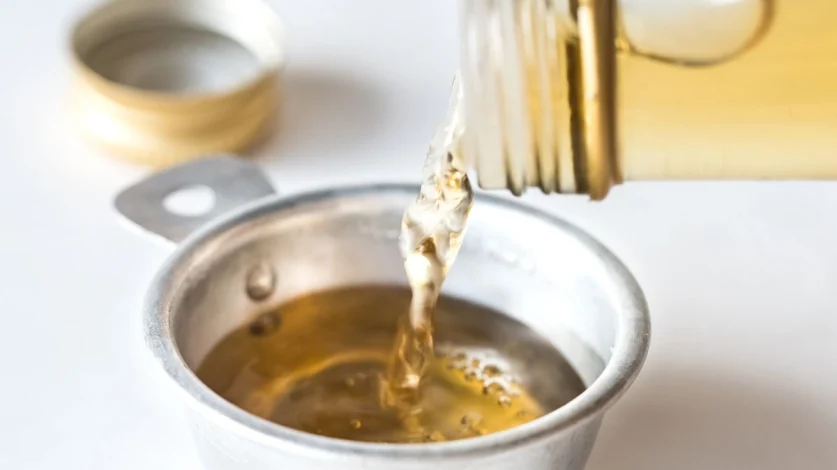
Walmart’s Great Value White Wine Vinegar has been deemed the least favorable among store-bought options, ironically holding the title of the cheapest. This vinegar is often viewed as a mild alternative to other types, making it ideal for salad dressings and sauces. However, upon tasting, it became clear that this particular brand was heavily diluted, leading to a flat taste devoid of the floral notes necessary for creating complex flavors in cooking. Enhancing dressings and marinades requires a tartness that Great Value White Wine Vinegar simply lacks.
Despite being the most economical choice at $2.32 per bottle, its poor flavor did not improve enough to earn it any accolades. Users on Walmart’s website reflected mixed feelings, with some praising its ability to flavorful prepared dishes like fish, while others complained about packaging issues and found its flavor underwhelming.
In contrast, the top contender for white wine vinegar was identified as Star Italian Kitchen White Wine Vinegar, which, despite its higher price, offered a robust flavor profile and a pleasing aroma. This vinegar provided the necessary tang and depth, making it a superior choice for culinary needs.
If finding a suitable alternative to white wine vinegar is necessary, options like rice or champagne vinegar can serve as effective substitutes, fulfilling a similar culinary role without compromising on flavor.
For further reading on better choices for white wine vinegar and cooking, you can check the original article here.
Justin Herbert Shares How Fiancée Madison Beer Has ‘Changed My Life’

Justin Herbert has expressed his profound admiration for fiancée Madison Beer, stating she has significantly impacted his life. The couple’s engagement was announced on July 28, 2026, through a heartfelt joint Instagram post in which Beer referred to Herbert as her fiancé.
The relationship began in August 2025 when they ignited dating speculation after being spotted together. Their romance blossomed publicly, as seen through numerous outings, including attending sports events and making appearances in each other’s projects.
A timeline of their relationship highlights key moments:
-
August 2025: They were first photographed together at one of Beer’s music video shoots, sparking initial rumors of their relationship.
-
September 2025: Photos surfaced of them holding hands during an outing in Los Angeles, solidifying their status as a couple.
-
October 2025: The duo shared a kiss on the sidelines before a Chargers game, followed by public appearances, including a Lakers game where they were spotted together.
-
November 2025: Beer showcased her support for Herbert by attending a Chargers game with her mother.
-
December 2025: Beer spoke positively about Herbert on the Call Her Daddy podcast, crediting him for providing immense support during her mental health journey.
-
January 2026: They stepped out publicly at the pre-Grammy Gala, attending as a couple.
-
March 2026: Celebrating each other’s birthdays with loving tributes on social media, Herbert called Beer his "favorite person."
-
May 2026: Trivia as Herbert made a surprise appearance in Beer’s music video for "lovergirl."
-
July 2026: Herbert expressed admiration for Beer on Instagram, leading to their engagement announcement shortly after.
In the days following their engagement, Herbert shared on SiriusXM NFL Radio the transformative effect Beer has had on his life, saying, “She’s changed my life, and it’s something I never thought was possible.” He emphasized the joy and trust in having someone with whom he can share everything.
With plans for a future together, both Herbert and Beer appear excited about what lies ahead as they prepare for marriage.
Rum Takes Inspiration from Whiskey: Two Island Distillers Make a Bold Bet
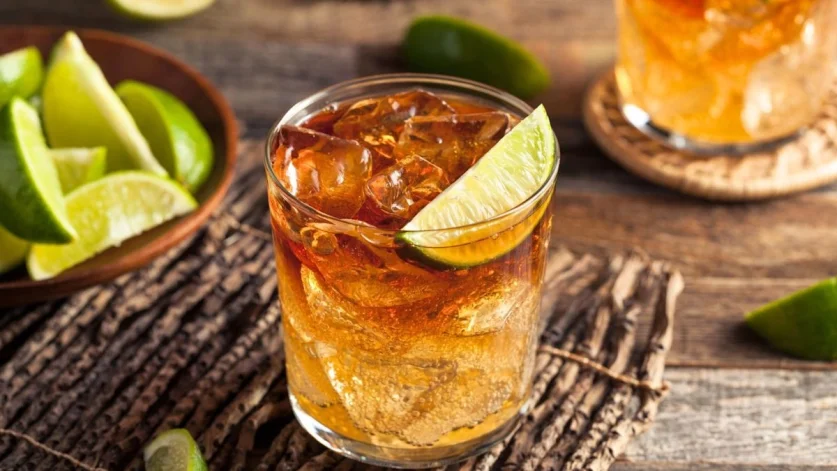
Rum, long overshadowed by whiskey, is now gaining attention as distillers explore new strategies to elevate its status. Ahead of National Rum Day on August 16, industry players like Kōloa Rum Company from Hawaiʻi and Ron del Barrilito from Puerto Rico are adopting whiskey’s successful tactics by focusing on heritage and the aging process.
Sales of rum have been declining in the U.S. for over a decade, with sales dropping from a peak of about 25.6 million cases in 2013 to approximately 19 million last year. The key to many of these sales remains flavored and spiced rums, which constitute over half of the market—a segment premium producers aim to bypass.
Kōloa Rum’s Distinct Local Identity
Kōloa Rum Company centers its identity on Kauaʻi, using local cane sugar and rainwater filtered through volcanic rock from one of Hawaiʻi’s wettest areas. COO Robert Ramer emphasizes the connection between the land and the rum, showcasing the island’s unique attributes with each bottle. Reviews, like those from Heidi Bruaw of Real Life of Lulu, highlight exceptional flavor profiles—Kōloa’s Coconut Rum marries toasted tropical notes with lime and caramelized pineapple, while the Coffee Rum delivers rich espresso, vanilla, hazelnut, and chocolate sensations.
Ron del Barrilito’s Tradition
In contrast, Ron del Barrilito prides itself on maintaining a traditional production process established in 1880. Based in Bayamón, Puerto Rico, the distillery uses no artificial flavoring or sweetening, staying true to its roots. Eduardo Bacardi, the Director of Sales and Marketing, notes that visitors are often impressed by how faithfully the distillation method has been preserved. The rum has received accolades as a refined drink that excels neat, over ice, or in cocktails, with flavors described by experts as complex and layered, suitable for various drinks.
A Bright Future Amid Market Challenges
With a challenging backdrop for the spirits industry—U.S. sales slipping by 2.2% last year—premium brands like Kōloa and Ron del Barrilito are banking on their distinctive narratives and craftsmanship to distinguish themselves from mass-produced alternatives. They aim to encourage consumers to glance past the common syrupy rums in favor of high-quality expressions that genuinely reflect their origins, appealing to a more discerning market as they celebrate National Rum Day.
For those looking to rediscover rum, now is the perfect time to explore what craftsmanship and a strong sense of place can offer in this spirited category.
The Truth About Vodka: Why Not All Brands Are Sugar-Free

Vodka, often seen as a pure spirit due to its clear appearance, is appreciated for its smoothness. While vodka typically contains low sugar levels—since sugar doesn’t survive the distillation process—it’s important to acknowledge that not all vodkas are sugar-free. The mixers commonly used in popular vodka cocktails can introduce extra sugar, which matters for those monitoring their sugar consumption.
According to U.S. regulations, vodka manufacturers can legally add up to 2 grams of sugar per liter while still labeling it as vodka. Furthermore, spirits that have less than 0.5 grams of sugar per serving can carry the "sugar-free" label. This means that a 1.5-ounce shot might contain traces of sugar yet still be advertised as "sugar-free." Most consumers can safely ignore such minor amounts, but flavored vodkas may carry more sugar than unflavored varieties.
Flavored vodkas can include ingredients such as vanilla or fruit extracts. While some brands, like Absolut, assert that their flavored varieties contain no added sugar, others, such as Deep Eddy Ruby Red Grapefruit Vodka, have noted around 3 grams of sugar per ounce due to added sources like cane sugar. In contrast, 360 Vodka’s Double Chocolate Vodka has been reported to contain as much as 10 grams of sugar. If you’re uncertain, it’s best to check the nutrition information on the bottle or the manufacturer’s website.
When considering how sugar is incorporated into vodka, it’s useful to understand the production process: fermentation, distillation, filtration, and dilution. During fermentation, starches from the base ingredients (like potatoes or grains) are converted into simple sugars, which yeast then ferments into alcohol. Distillation then separates the alcohol from sugars and impurities. Some producers may opt to add sugar or sweeteners during the finishing phase to enhance flavor.
For those looking to reduce sugar intake, unflavored vodka paired with sugar-free mixers is a smart choice. Even flavored vodkas typically contain much less sugar than a regular soda. For maximum control over sweetness, making your own flavor-infused vodka is an excellent alternative.
For more details:
Napa County Considers New Policies to Bolster Wine Industry Amid Economic Challenges

Amid ongoing economic challenges within the wine industry, Napa County is exploring potential short-term zoning code amendments designed to streamline its permitting processes to better support local wineries and grape growers.
This review follows a request from four prominent wine industry groups—Winegrowers of Napa County, Napa Valley Vintners, Napa Valley Grapegrowers, and Napa County Farm Bureau—who recommended both immediate and longer-term actions to alleviate regulatory pressures on the industry.
During a recent Board of Supervisors meeting, various proposed amendments to the current regulations governing wineries and grape growers were discussed. Key suggestions include:
- Granting winery permit holders more flexibility in hosting marketing events without increasing overall visitation; easier adjustments to employee counts; removing the need for permits for electric vehicle charging stations; and allowing expansions of permitted commercial kitchens with only county staff review.
- Streamlining hearings managed by the county’s zoning administrator, adding a "notice of intent" to minimize formal public hearings when there is insufficient public interest.
- Considering changes to the county’s micro-winery ordinance, such as possibly doubling production and visitation limits.
- Evaluating the extension of a pilot program related to outdoor tasting experiences permitted by Assembly Bill 720 to include winery properties.
- Revisiting the land use appeal process, which reportedly requires a significant amount of staff and legal resources to manage.
The county’s planning director, Brian Bordona, emphasized the aim of improving efficiency while maintaining environmental reviews and public participation protections established by the Board.
Public feedback during the meeting was largely supportive, with Supervisor Anne Cottrell highlighting the importance of minimizing regulatory burdens to facilitate compliance while still allowing the county to monitor adherence effectively.
However, discussions around potential long-term amendments, such as modifications to the Winery Definition Ordinance, elicited some concerns. Supervisor Liz Alessio noted that today’s visitors desire diverse experiences, fearing that stringent regulations might stifle economic growth.
Industry representative Deborah Dommen stated that innovative culinary experiences are increasingly sought after by consumers, emphasizing that such activities could rejuvenate interest among younger wine enthusiasts.
Conversely, Board Chairperson Amber Manfree cautioned about potential environmental impacts from expanded uses and stressed consistency with the Agricultural Preserve zoning regulations. Concerns were raised regarding the implications of categorizing activities like yoga as agricultural.
The dialogue also touched upon the land use appeals process, with some supervisors advocating for structural adjustments while others felt the current system was generally effective, even if slow.
Overall, Napa County aims to navigate the challenges of the current economic landscape while ensuring sustainable growth and compliance within the wine industry.
Steak and Wine Pairing: 3 Sommeliers Share Their Surprising Top Picks!
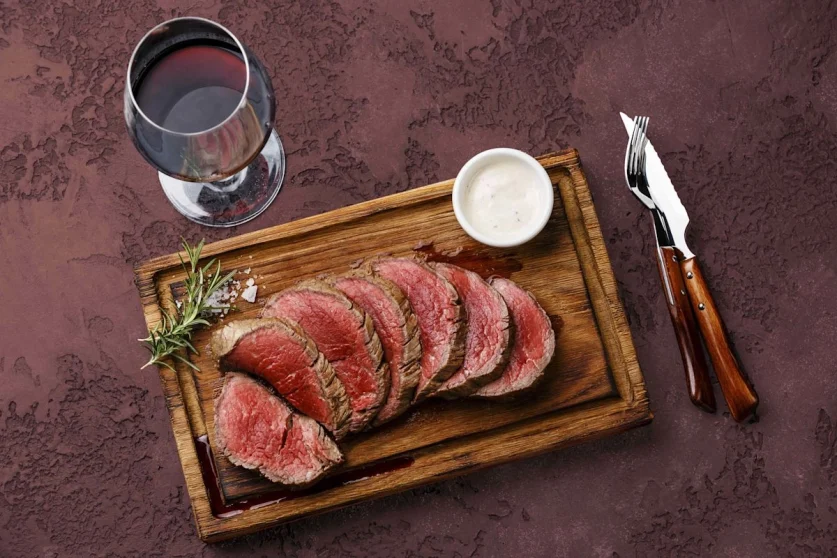
When selecting a wine to pair with steak, many automatically think of red wines, but experts suggest breaking out of this norm. While red wines, particularly bold varieties, have long been regarded as the top choice for beef dishes, sommeliers today assert that many wines can complement steak beautifully, even champagne.
Key Considerations for Pairing Wine with Steak
-
The Cut of Meat and Cooking Method:
- Rich cuts like ribeye benefit from high-tannin reds such as Cabernet Sauvignon. For leaner options like filet mignon, a lighter wine like Pinot Noir is ideal. Grilled steaks typically call for bolder wines due to their rich flavors.
-
Sides and Sauces:
- The accompanying dishes can greatly influence your choice. Heavier sides like creamy polenta may require a wine with higher acidity to balance the richness, while lighter vegetable sides won’t significantly alter your wine selection. If serving a cream-based sauce, consider an oaked Chardonnay which has sufficient body to complement the creaminess.
-
Expanding Beyond Red Wines:
- If red isn’t your preference, feel free to experiment. According to sommeliers, dry rosé or even vintage champagne can offer exciting pairing options. A bubbly can refresh the palate, especially on a warm day or with rarer steak preparations.
Recommendations for Specific Steak Types
-
Leaner Cuts (Filet Mignon, New York Strip):
- Best Wine: Pinot Noir or Brunello di Montalcino, known for their high acidity that complements these refined cuts.
-
High-Flavor Dishes (Pepper-Crusted or Barbecue Steak):
- Best Wine: Syrah or Shiraz pairs well with heavily seasoned meat. For barbecue flavors, a Zinfandel can enhance the dish’s spice.
-
Fattier Cuts (Skirt Steak, Ribeye):
- Best Wine: Bold wines such as Barolo or Amarone della Valpolicella work well with rich cuts, while Malbec or Cabernet Sauvignon can complement grilled meats effectively.
Conclusion
When it comes to wine pairings with steak, don’t feel restricted to the conventional red wines. With thoughtful consideration of the cut, cooking method, and sides, you can discover a variety of wines—both red and white—that create delightful pairings with your steak meals. Trust your palate, and enjoy the experimentation!
For more in-depth guidance, check out the original article on Real Simple.
Irish Whiskey Distillery Shifts Focus from Tariffs to US Inflation Concerns
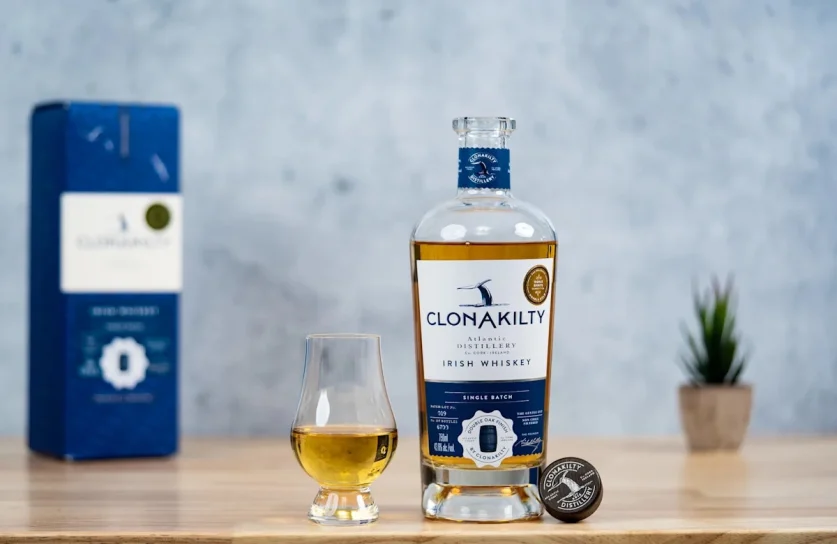
An Irish whiskey distillery has reported a significant increase in U.S. sales, jumping over 36% after adjusting prices in response to tariff uncertainties and consumer spending patterns. Clonakilty Distillery, located in West Cork, Ireland, found that lowering prices was essential as the uncertain tariff landscape made it harder to sell their products at higher price points in the U.S., according to founder Michael Scully.
To adapt, the distillery reduced the price of their Galley Head Irish Whiskey to about $30. This lower-priced product has become a top seller, with U.S. depletions—sales from company inventory—surging 113% year-over-year, and overall shipments to the U.S. increasing by 33%. Clonakilty also improved operational efficiencies by reducing the weight of its glass bottles, and its strategy of owning its whiskey production and controlling the supply chain helped mitigate some additional costs.
Moreover, across their U.S. portfolio, on-premise sales grew by 106%, while off-premise sales rose by 28%. The distillery’s growth has been particularly strong in states like Massachusetts, Florida, and Oregon. As they look to expand further, Scully stated that they are now more focused on the implications of inflation rather than tariffs on their business operations.
Despite facing a €1.55 million loss in 2024, Clonakilty continued its production during the challenging period that prompted many smaller distilleries to pause operations. This decision has started to yield positive results in the U.S. market.
Clonakilty Distillery, founded in 2016, had initially invested €10 million to establish its distillery and visitor center in 2019. They have since continued to grow, now employing 32 people and planning additional investments to enhance their warehouse capacity.
The distillery aims for total sales of €4.5 million in 2026, with projections to grow to €5.5 million in 2027. Scully is optimistic about expanding into large markets like China and India, particularly with the recent European Union trade agreement with India, while still maintaining momentum in the U.S. market.
Step Back in Time: New Prohibition-Themed Speakeasy Serves Classic Cocktails in Old Sacramento

A new speakeasy has opened in Old Sacramento, capturing the essence of the Prohibition era with its unique concept. Dubbed The 1920s Bookstore, the establishment cleverly masquerades as a bookstore while serving classic cocktails inspired by the 1920s. The menu is designed like a book, where each drink is paired with an origin story, enhancing the charm of the concept.
Owner San Bao expresses his fascination with the Prohibition period, mentioning how it transformed drinking into an act of rebellion. "Prohibition turned drinking into rebellion and bartenders into alchemists," he notes, highlighting the creativity of bartenders at the time who masked inferior spirits with various ingredients.
The bar features a variety of classic cocktails, from the French 75 to the El Diablo, with prices ranging from $16 to $20. The location in Pioneer Square adds to the allure, as Bao aimed for a hidden sanctuary amidst a fast-paced world, creating an atmosphere where time feels different.
Reservations are required due to limited space, and the speakeasy operates from 4:30 PM to 9:30 PM on Sundays to Wednesdays, and 4:30 PM to 10 PM on Thursdays and Fridays. The address is listed as 900 2nd St., Old Sacramento, but true to speakeasy tradition, guests are encouraged to look for a clock in Pioneer Square to find their way inside.
Beer, Wine, or Liquor? New Study Uncovers Which Alcohol May Lower Death Risk

Recent research has highlighted the impact of different types of alcohol on mortality rates, particularly focusing on wine, beer, and spirits. A study examining data from over 340,000 participants in the UK Biobank found a connection between wine consumption and lower mortality rates compared to beer and spirits, which were linked to higher death risks.
The research, which followed participants from 2006 to 2022, revealed that those who consumed alcohol at moderates levels were less at risk of death from cardiovascular issues. Specifically, moderate wine drinkers experienced a 21% lower risk of cardiovascular death when compared to non-drinkers. Conversely, beer and spirits were associated with a 9% higher risk of cardiovascular death among low drinkers.
Participants were categorized based on their reported alcohol intake, with high consumption defined as more than 40 grams per day for men (about three drinks) and over 20 grams per day for women (approximately 1.4 drinks). Findings indicated that high alcohol consumption resulted in a 24% greater risk of all-cause mortality and a 36% increased risk of cancer-related deaths.
Dr. Zhangling Chen, the study’s lead author, emphasized that while these findings highlight the differential risks tied to various alcoholic beverages, it does not suggest that everyone should partake in daily alcohol consumption, especially for those with pre-existing health conditions.
Wine’s potential protective effects may stem from its polyphenols and antioxidants, which could contribute positively to cardiovascular health. However, experts offer caution that individuals with histories of substance misuse should avoid alcohol altogether, as responses to alcohol can greatly vary among individuals.
The study, while revealing important correlations between alcohol types and health outcomes, also acknowledges its limitations. It is observational, meaning it cannot definitively prove causation, and relies on participants’ initial reports of alcohol intake which might not account for changes during the follow-up period.
Further high-quality research is needed to validate these observations and understand the complexities of alcohol consumption’s effects on health.