May 2026 90
The Ultimate Guide to the World’s Best Flavored Vodka: Insights from the 2026 ADI International Spirits Competition
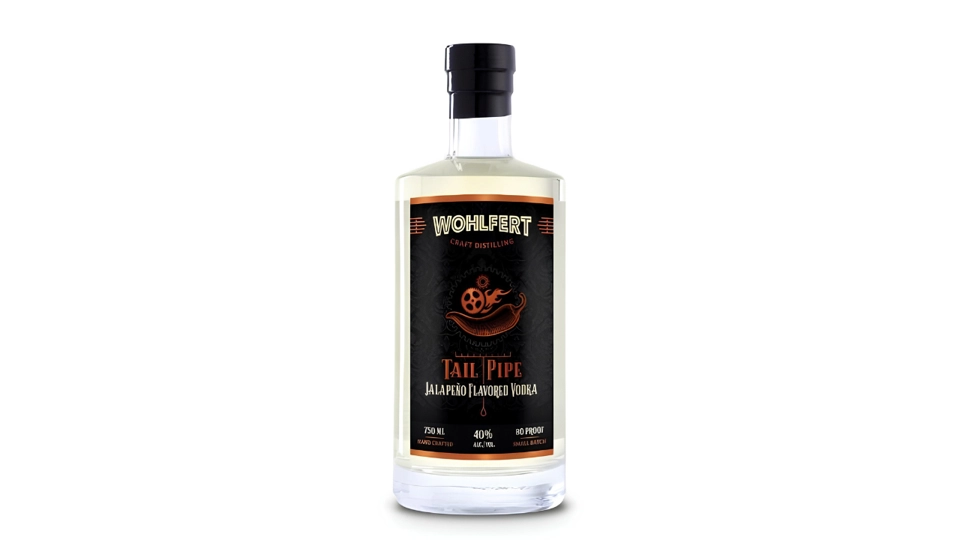
The 2026 ADI International Spirits Competition recently crowned TAIL PIPE Jalapeño Flavored Vodka from Wohlfert Craft Distilling as the World’s Best Flavored Vodka. This small-batch, 80 proof vodka, priced at $28.99, hails from Snohomish, Washington.
The American Distilling Institute hosted the competition, which featured over 1,000 entries evaluated by expert judges. TAIL PIPE not only won Double Gold but also earned Best of Category, showcasing its superiority in a fiercely competitive market.
Judges praised the vodka for its vivid jalapeño aroma and balanced flavor, highlighting its “delicate and well-managed” spice and a smooth texture. The reviews noted the vodka’s versatility; it’s ideal for crafting cocktails like Bloody Marys and espresso martinis, as well as pairing with tropical fruits, which complement jalapeño’s heat.
John Wohlfert, the distiller and owner of the craft distillery, expressed pride in this recognition, indicating it solidifies their reputation for producing bold and distinct spirits. Wohlfert Craft Distilling operates from the family’s property, creating an intimate atmosphere that is rare in the industry.
The influence of family history is significant in their products. The signature cocktail, Helluva Cocktail, combines CLUTCH Coffee Liqueur with TAIL PIPE Jalapeño Vodka and espresso, creating a unique drink with roots in the family’s Prohibition-era traditions.
Wohlfert attributes their success to the care and precision in crafting flavorful vodkas that stand out in a crowded industry. Winning such a prestigious title marks a pivotal achievement for the small distillery, ensuring they gain the attention of spirit enthusiasts globally.
Related Links:
The Best Aged Rums: Top Picks from the San Francisco World Spirits Competition
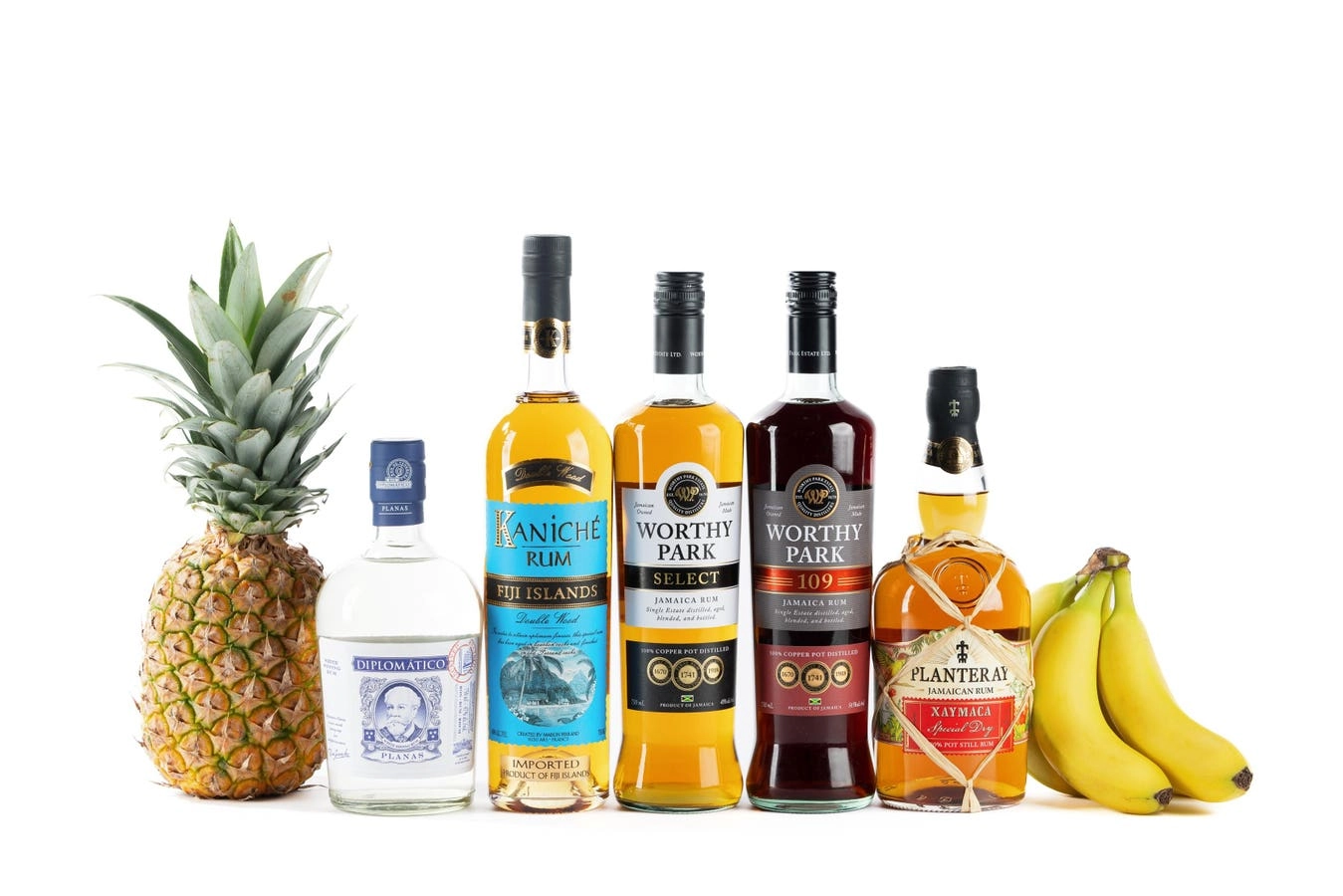
Five exceptional rums have been nominated for the title of World’s Best Aged Rum at the 2025 San Francisco World Spirits Competition (SFWSC), a key event in the spirits industry that garners much attention. Here’s a closer look at these notable contenders and their unique flavors.
1. Worthy Park, Select Rum (40% ABV, 750 ml. $31)
Worthy Park Estate in Jamaica has a rich history of rum production dating back to 1741. The Select Rum, typically aged for 4-6 years in ex-bourbon barrels, is celebrated for its vibrant profile. It features aromatic notes of ripe banana, molasses, baking spices, and hints of overripe mango. On the palate, it presents layers of tropical fruit, vanilla, caramel, and charred oak, finishing with a dry, fruity essence reminiscent of banana bread and clove.
2. Worthy Park, 109 Rum (54.5% ABV, 750 ml. $30)
A modern reinterpretation of overproof rum, the 109 Rum blends pot-still rums aged between 4 to 10 years. Its rich mahogany color indicates significant oak influence. The aromatic notes include molasses, cola syrup, and dried pineapple, combined with flavors of dark caramel and grilled banana. The intense high-proof character is balanced, providing a lasting finish with notes of nutmeg and black tea.
3. Diplomático, Planas Rum (47% ABV, 750 ml. $28)
Despite its clear presentation, Planas aged for up to 6 years in a mix of ex-bourbon, malt whisky, and sherry casks. The transparency is achieved by charcoal filtering for clarity. Aromatically, it delights with coconut cream, vanilla, and citrus zest. The tasting experience features white chocolate, toasted coconut, and caramelized sugar, culminating in a refined finish that lingers with sweet floral notes.
4. Kaniché Rum, Fiji Islands (40% ABV, 750 ml. $37)
Originating from Fiji, Kaniché Rum undergoes a unique aging process in ex-bourbon barrels followed by finishing in cognac casks in France. The result is a spirit rich with tropical aromas, displaying notes of banana, honeycomb, and spices. Its full-bodied profile includes flavors of vanilla, caramelized pineapple, and seasoned oak, leading to a long finish with hints of fig and leather.
5. Planteray Rum, Xaymaca Special Dry (43% ABV, 750 ml. $30)
Named after the indigenous term for Jamaica, Xaymaca is a tribute to 100% Jamaican pot still rum. This blend of distillates showcases the quintessential funky character associated with Jamaican rums. The aroma is dominated by green banana and grilled pineapple, delivering a robust palate with notes of citrus, burnt sugar, and leather, while finishing complexly with spice and tropical fruit.
These five rums, each with unique strengths, demonstrate the robust flavor profiles and oak influences from their aging processes. They can elevate both cocktails and sipping experiences, appealing to a wide range of rum enthusiasts.
The Uncertainty of Wine: Why Consumers Struggle to Predict Its Taste, Researchers Reveal
Fresh research reveals that the wine industry is facing challenges in attracting new and younger consumers, largely due to their inability to predict the taste of wines before purchasing. Instead of an inherent flaw in wine itself, experts suggest that the primary issue lies in communication failures.
During a recent webinar by the Wine Market Council, findings based on a national survey indicated that the experiences of "wine-hesitant" consumers—those who are wary of trying wine—are pivotal. Many consumers tend to abandon wine after only a few unsatisfactory tries. Christian Miller, the research director, emphasized that these mismatches in expectations and taste are not a reflection of wine quality, but rather a disconnect in understanding consumer preferences.
The council’s study showed that the overwhelming majority of wine hesitant individuals have tasted fewer than ten wines in the last decade. Repeated disappointment leads them to develop negative perceptions, which discourages future attempts. In fact, about 23% of respondents reported occasions where they bought a wine expecting a certain flavor only to find it unpalatable.
Additionally, consumers struggle with predicting wine flavors compared to other beverages like beer and cocktails. Only 11% indicated that they can accurately guess the flavor of wine, while nearly half feel confident about other drinks.
Quini, a wine tasting technology company, conducted structured tastings with approximately 3,400 evaluations from infrequent wine drinkers. Their research uncovered that the "finish" or aftertaste of a wine greatly influences consumer satisfaction. Long and complex finishes in white wines correlated positively with overall enjoyment. Sweetness also played a role, but not simply in terms of sugar content; balance appears to be key.
Quini’s findings suggest that interactions between different flavor components—such as balancing sweetness with acidity—are crucial in shaping positive consumer experiences. For example, while high astringency might deter some drinkers, it can be acceptable if balanced with low acidity and sweetness.
The research advocates for clearer communication regarding wine taste profiles, suggesting that consumers respond well to straightforward labeling that highlights attributes like sweetness and acidity rather than more technical terms. Simplifying how wines are presented could help overcome market barriers.
In summary, the path to growing wine’s appeal among hesitant drinkers may lie in understanding their preferences better and improving how wine is marketed and explained to them, focusing on intuitive taste descriptions rather than complex identifiers.
Madison Beer Makes a Fashion Statement with Unzipped Jacket Over Cami Top During Tour

Madison Beer has captured attention with her bold fashion choice while on tour, leaving her jacket unzipped over a stylish cami top during an appearance in Antwerp. The "Make You Mine" singer was spotted meeting fans, and her relaxed yet fashionable attire sparked significant buzz online.
In her casual outfit, Beer wore a form-fitting white cami with thin straps, complemented by a layered matching jacket draped casually over one shoulder. The unzipped jacket revealed the striking neckline of her top and was paired with gray bottoms, dangling earrings, sunglasses, and a chic handbag, rounding off her stylish look perfectly for a daytime outing.
For more details, see the original post about Madison Beer’s appearance here.
Unveiling the World’s Best Flavored Vodka: Highlights from the 2026 ADI International Spirits Competition
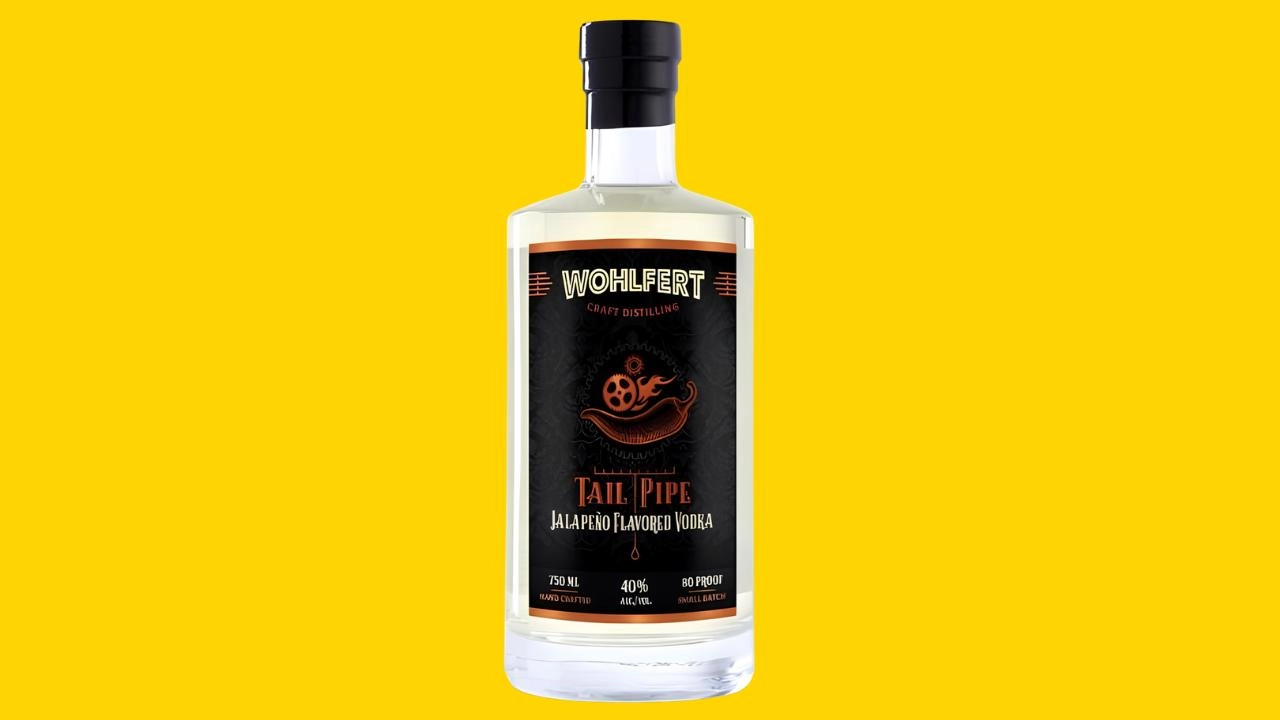
Wohlfert’s TAIL PIPE Jalapeño Flavored Vodka has been crowned the Best Flavored Vodka at the 2026 ADI International Spirits Competition. This impressive accolade highlights the small craft distillery located in Snohomish, Washington, which has produced this distinctive spicy vodka at a retail price of $28.99 for a 750 ml bottle.
Judged blind by industry professionals from over 1,000 entries globally, TAIL PIPE not only won Double Gold but also secured Best of Category honors—a significant triumph amid fierce competition. The vodka captivated judges with its vibrant jalapeño aroma, balanced spice, and fine texture, receiving high scores between 94 and 95 points.
One panel praised its “well-defined jalapeño nose," referring to its “green, fresh, and invigorating” characteristics while emphasizing the precise management of chili flavor alongside a smooth vodka base. This balance of heat and flavor demonstrates the careful craftsmanship behind the product, ensuring neither too much burn nor an underwhelming taste.
John Wohlfert, the distillery’s owner and master distiller, expresses pride in this recognition, noting the honor it brings to their bold and distinctive spirits. Wohlfert Craft Distilling operates from his family’s property, making their spirits with an intimate touch that sets them apart.
The TAIL PIPE vodka is not just for sipping—it’s versatile in cocktails. It’s particularly recommended for Bloody Marys, espresso martinis, and tropical mixes, pairing well with bright flavors like pineapple and lime.
Wohlfert’s dedication to flavor is evident in their other offerings, including CLUTCH Coffee Liqueur. They’ve crafted a cocktail called the Helluva Cocktail combining both these spirits, connecting family heritage with modern flavor.
This award solidifies Wohlfert Craft Distilling’s place in the craft spirits landscape, showcasing how innovative flavor profiles can surprise and delight vodka enthusiasts while affirming the quality that can emerge from smaller, less-recognized producers.
For more details on the TAIL PIPE Jalapeño Vodka, visit Wohlfert Craft Distilling.
Heaven Hill Releases Ultra-Limited Whiskey to Celebrate Iconic Bourbon Aging Location
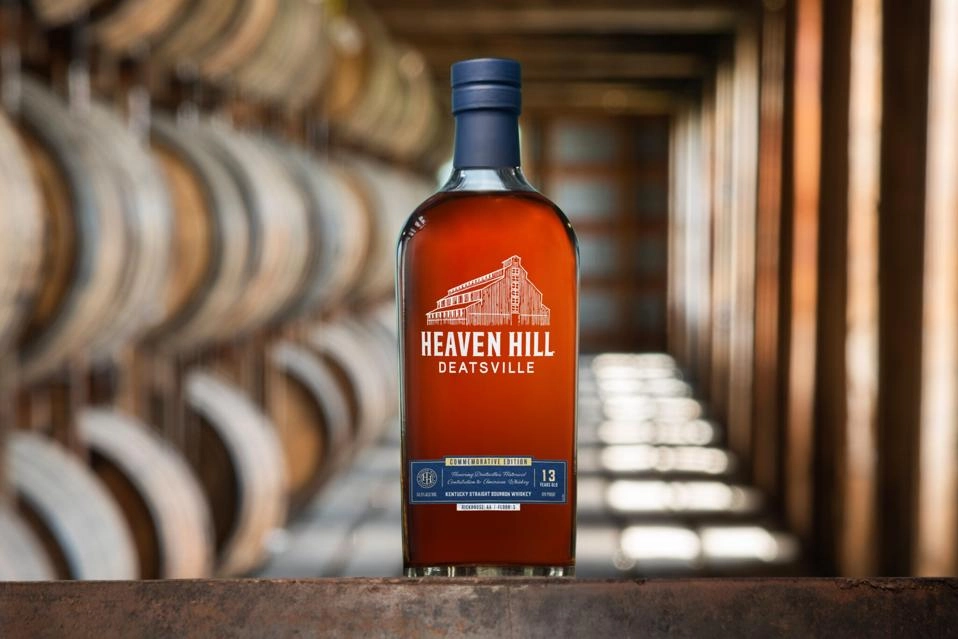
Heaven Hill Distillery has released a limited-edition 13-year-old bourbon, the Heaven Hill Deatsville 13-Year-Old, highlighting the significance of the Deatsville rickhouse where it was aged. This release is part of a tribute to the historic site, which is transitioning out of active service for aging bourbon and moving to a role that focuses solely on inspecting barrels.
The Deatsville site has a storied history dating back to 1844 and was once the home of the T.W. Samuels Distillery. Acquired by Heaven Hill in the 1980s, it features buildings constructed shortly after Prohibition, which are unique for their tiered roofs that enhance air circulation, giving the bourbon aged there distinctive flavor profiles. In fact, the late master distiller Parker Beam held the site in high regard before his passing in 2017.
The new bourbon, distilled using Heaven Hill’s standard mashbill of 78% corn, 10% rye, and 12% malted barley, was crafted from just 17 barrels selected from the third floor of Rickhouse AA. It is bottled at 109 proof, which allows for the sweeter flavors to stand out, including notes of oak, peanut brittle, and baked fruits.
Tasting notes reveal a buttery texture on the palate with hints of caramel and vanilla, and a soft spice that lingers into a smooth finish. Despite its high proof, the bourbon drinks more gently, akin to a cream liqueur.
To acquire a bottle, whiskey enthusiasts can participate in the “Inside the Rickhouse: The Legacy of Deatsville” tour for $219, which combines tours and tastings with the chance to purchase the bourbon. The bottle has a suggested retail price of $199.
Limited releases like this are often highly sought after, as evidenced by comparisons to other niche bourbons that explore the aging process in various rickhouses. The Deatsville release, noted for its small production run, sets a high bar for future offerings from Heaven Hill, ensuring it remains a significant part of Kentucky bourbon’s evolving narrative. For more information, you can visit the Mint Julep Tours portal.
Raising the Bar: The Case for Adding Salt to Your Cocktails
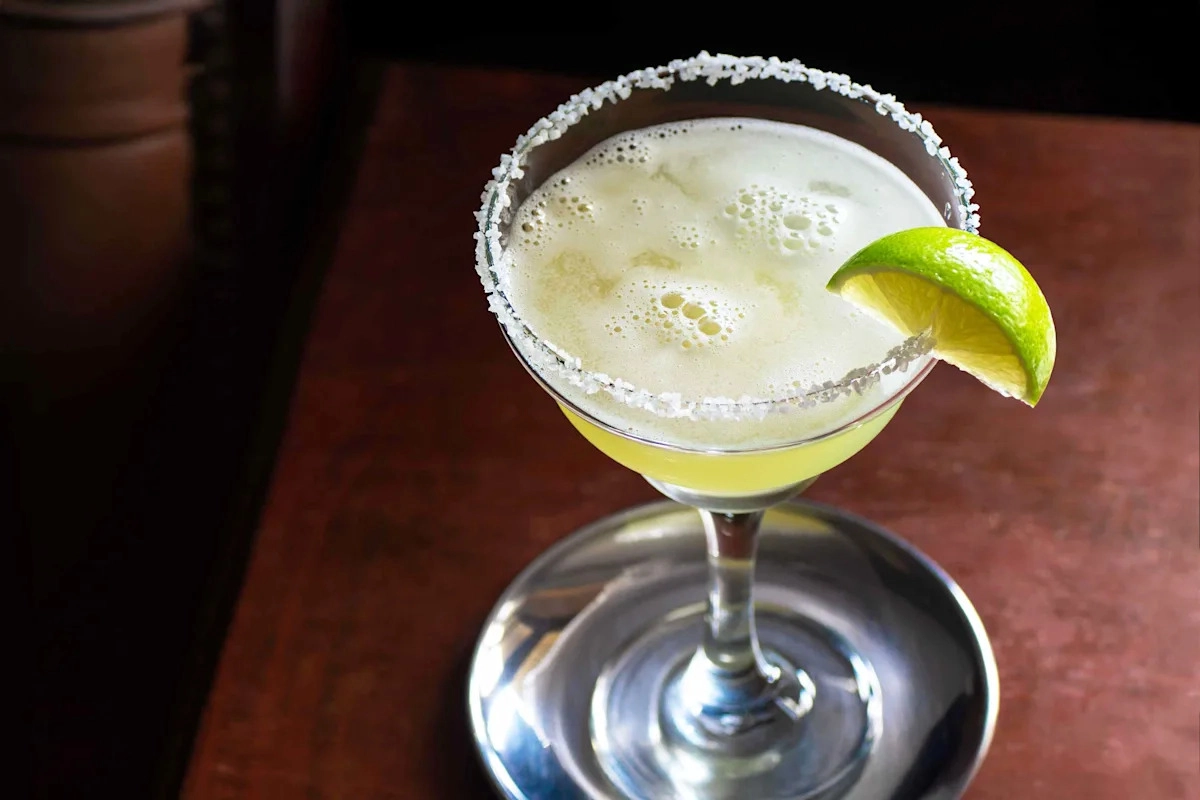
Adding salt to cocktails is becoming a popular trend among bartenders, who argue that it enhances flavor in much the same way it does in cooking. From rimming glasses with flavored salts to using saline solutions, salt offers depth and brightness to various spirits.
Renowned mixologists, like Mariena Mercer Boarini of Wynn North America, emphasize how salt can elevate a drink’s profile. For instance, creative salt blends that include ingredients such as cilantro and lemon can complement specific cocktails. A saline solution, made from one part salt to four parts water, provides a more consistent and effective way to season drinks without the risk of sinking to the bottom as granular salt does.
Salt affects cocktails in several ways: it can sharpen citrus flavors, reduce bitterness, and improve mouthfeel. This makes it a versatile tool in crafting drinks like Margaritas and Negronis. According to veteran bartender Ivy Mix, the incorporation of salt can transform an ordinary cocktail into something truly special, enhancing flavors that might otherwise be overshadowed.
Additionally, some spirits, such as Fishers Gin, are crafted with sea salt-infused botanicals, further reflecting the trend toward salinity in the beverage industry.
For home bartenders hesitant to use salt, it’s recommended to start small. A few drops of saline solution in a cocktail can dramatically improve its taste without making it overly savory. By experimenting with this underappreciated ingredient, anyone can achieve cocktail-bar level drinks from the comfort of their own home.
Get Ready for Change: GABF Tickets Go on Sale in June with a Fresh Experience!
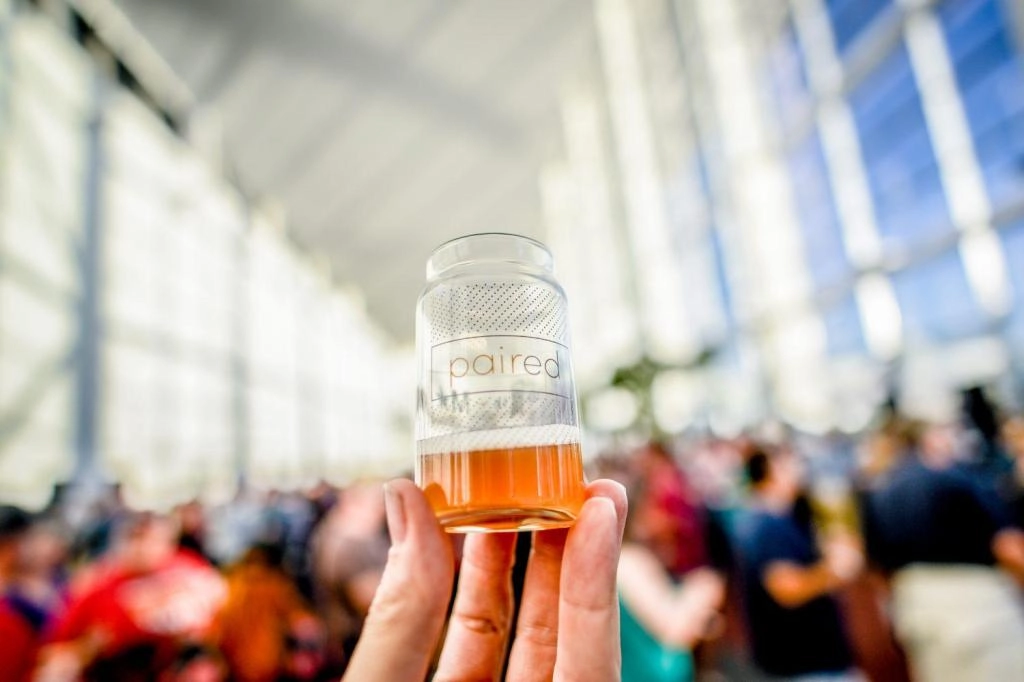
The Great American Beer Festival (GABF) is set to undergo significant changes for its 2026 iteration, with tickets going on sale to the public on June 25. This year marks a historic shift for the fest, moving from its longtime venue at the Colorado Convention Center to the more outdoor-oriented Levitt Pavilion in southwest Denver’s Ruby Hill neighborhood.
This venue transformation is just one of several changes aimed at reshaping the atmosphere of the festival. With the event scheduled for October 10-11, it promises to create a different experience than in years past. In addition to a new location, the 2026 GABF will feature a lower ticket price, reduced attendance numbers, and a daytime schedule, transitioning from its traditional evening format to a more music festival vibe.
Attendees will have to plan their transportation in advance, as fewer parking spaces will be available. Most festivalgoers are expected to utilize pre-booked shuttles, ride-sharing services, or public transport, with shuttle costs estimated around $20.
Levitt Pavilion’s executive director, Meghan McNamara, expressed excitement about the new format, noting the venue’s history of hosting cultural events and concerts. The pavilion offers a plethora of green space, allowing attendees to choose their level of involvement—whether sitting and relaxing under a tree or dancing to live music.
However, not all breweries are convinced of the venue change. Some have raised concerns about logistics, the weather, and how the alterations might affect attendance and engagement. Historically, GABF drew upwards of 60,000 people annually, but attendance numbers dipped after returning from a hiatus due to COVID-19, as a nationwide trend towards declining craft beer novelty set in.
The maximum capacity at Levitt Pavilion is 6,500 people per event; hence, GABF will have considerably fewer attendees than in previous years. Historically, hundreds of volunteers helped pour beers, but breweries are now expected to have staff on-site as volunteers will not be provided.
Tickets for the 2026 GABF will be priced at $60, with an additional fee, while the popular paired food-and-beer event returns at $170.38. Organizers hope the new venue and festival format will reinvigorate interest and attract attendees back to this beloved annual celebration of craft beer.
For more information about tickets and festival logistics, visit greatamericanbeerfestival.com.
The Ultimate Bargain: Why This Costco Wine is a Must-Try, According to a Wine Expert
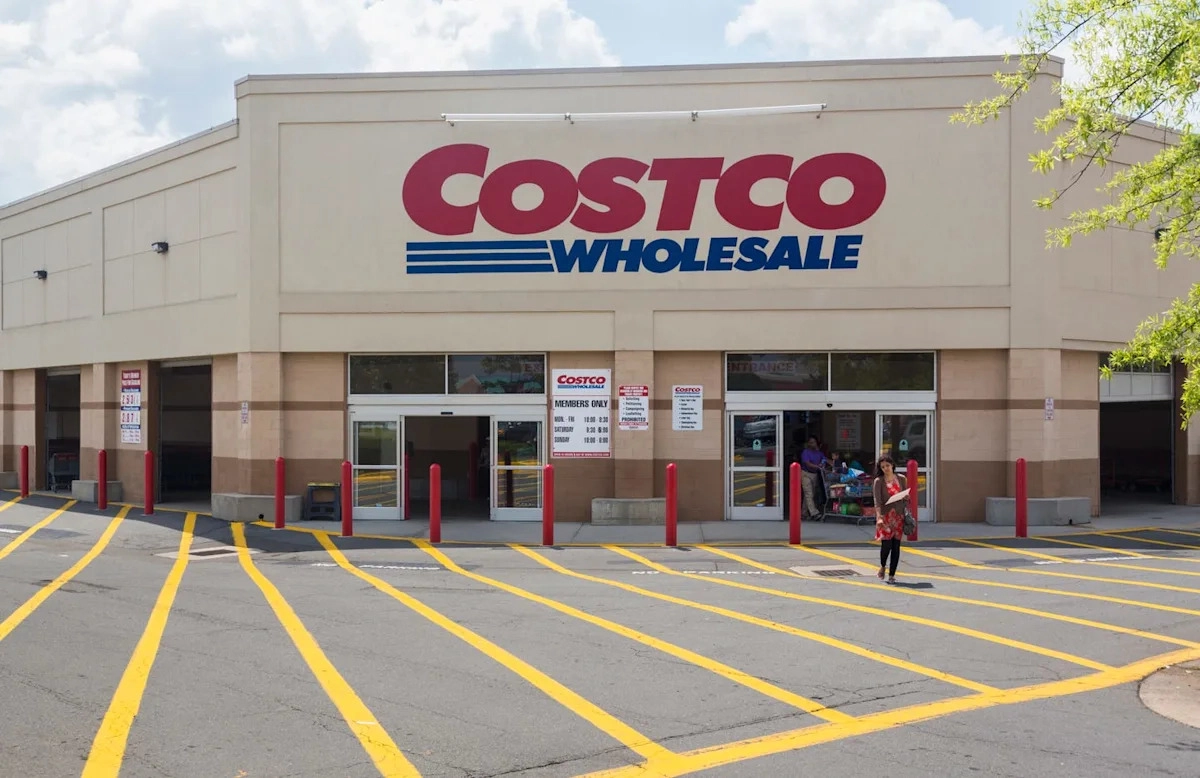
Whenever a non-wine expert shares their latest “amazing wine discovery,” skepticism is a natural response. This was certainly the case when a well-meaning father proclaimed that the Kirkland Champagne from Costco was the best he’d had in years, all for under $30. It’s easy to question how any Champagne at this price could deliver a satisfying experience.
However, after tasting it, I was pleasantly surprised. The Kirkland Champagne stood out with its fruity notes of green apples and citrus, accompanied by light brioche hints and a subtle creaminess, resulting in a clean and lively fizz. Overall, it offered a drinking experience that was elegant and complex for an entry-level Champagne.
While it may not rival the truly elite Champagnes with their depth and finish, Kirkland Signature Champagne offers a significantly better quality than most of its category competitors, which typically start at around $40.
Quality Behind the Label
What’s interesting is that Costco doesn’t make its Champagne but sources it from reputable producers. The Kirkland brand was launched in the 1990s and has since gained a reputation for partnering with established producers. The in-house Champagne is frequently associated with Manuel Janisson, a highly regarded producer from Verzenay, a Grand Cru village in Champagne. This relationship ensures that the Kirkland Champagne not only meets, but is often rooted in, the stringent production standards of the Champagne designation.
The Cost Factor
Costco’s purchasing power is unparalleled due to its vast scale. By buying in bulk, the company negotiates better prices and passes those savings onto customers. The retailer also restricts its selection, encouraging high volume sales of fewer product types, which further enhances their cost efficiency.
Unlike typical wine retailers that rely heavily on marking up the prices of bottles for profits, Costco operates differently, generating substantial income from membership fees. This allows the company to offer lower prices on its products, including wines, without relying on high markups. Additionally, Costco does limited advertising, which reduces marketing costs and allows them to provide better prices to their customers.
Food Pairing Advice
Kirkland Signature’s Champagne pairs beautifully with a wide range of foods. Its bright acidity complements rich dishes, cutting through the briny flavors of oysters and shellfish while also enhancing creamy cheeses. It is particularly effective with fried foods—my favorite being French fries—because its richness balances perfectly. Moreover, its versatility makes it suitable for heartier dishes like roast chicken and duck.
The Ideal Celebration Bubbly
This Champagne is especially suitable for gatherings. It provides an authentic and delightful sip, making it the ultimate party Champagne without breaking the bank. While it may not be hailed as the absolute best by all, its value for cost cannot be overlooked, making it a favorite among many wine enthusiasts.
Madison Beer Gets Flirty with Justin Herbert During Live Q&A – Watch the Adorable Moment!
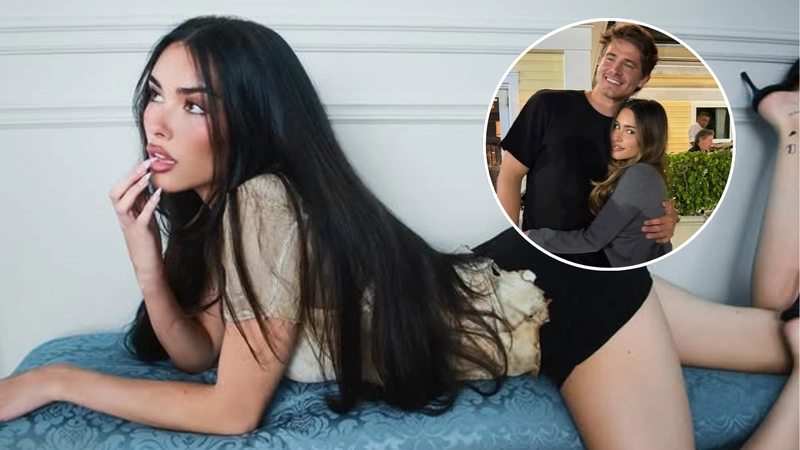
During a recent concert soundcheck in Amsterdam for her "Locket Tour," pop star Madison Beer experienced a sweet moment when her boyfriend, Justin Herbert, the quarterback for the Los Angeles Chargers, called her. While interacting with fans, her phone rang, and she answered it live on stage, explaining she was busy but still managed to express her love before hanging up.
The concert took place at the Ziggo Dome on May 21, where Beer performed several hits, including "Baby," which features Herbert as her romantic lead in the song’s music video. Singing directly to him, she quipped, "I’m the best you ever had, Justin, I can turn you on."
Prior to the concert, the couple was seen enjoying a casual stroll in Paris, with Herbert having flown out to Europe, skipping some voluntary spring practices with his team to support Beer. Their relationship was publicly confirmed in October 2025 when they were spotted sharing a kiss during a game.
Following the Belgian leg of her tour, Beer will be performing in England before heading back to North America for additional shows.