Sip into Adventure: Wildly Delicious Cocktails to Try in Denver
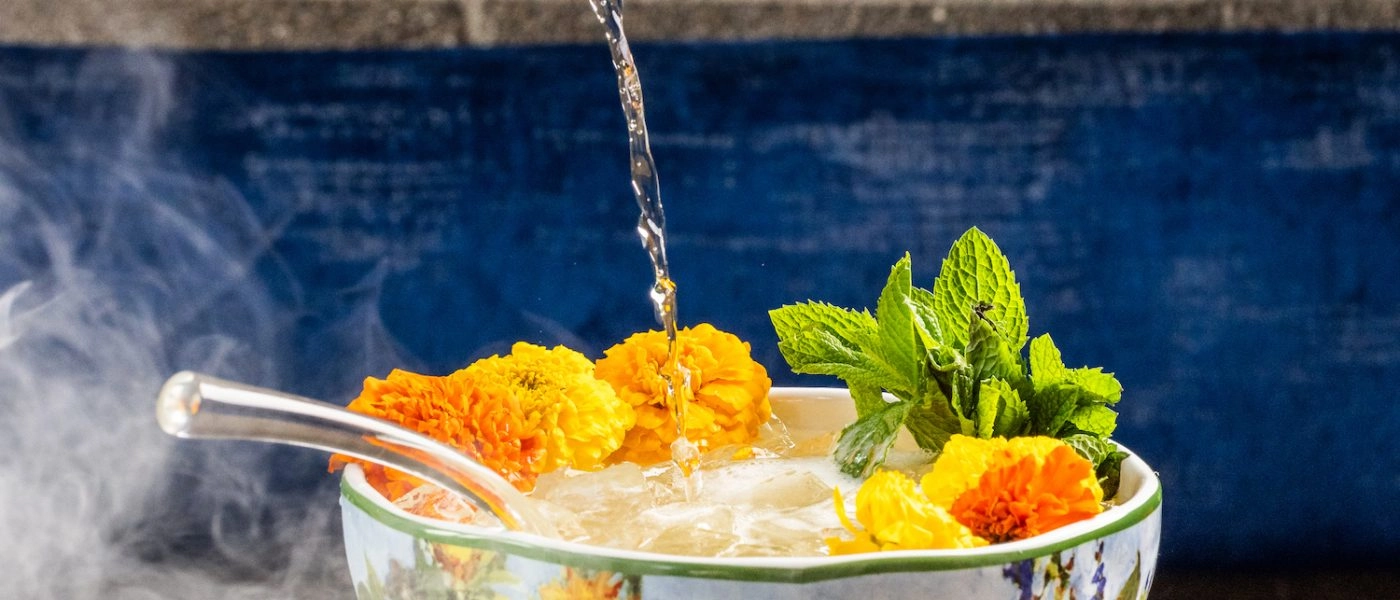
As the days grow shorter, Denver’s bartending scene is stepping up its game with inventive and bold cocktails that are as wild as they are delicious. Key players include Poka Lola, The Family Jones, Riot BBQ, and NADC Burger, each offering unique concoctions you won’t want to miss before summer slips away.
Poka Lola Social Club
Location: 1850 Wazee St., Denver
Hours: Sunday 2 – 9 p.m., Monday 3 – 9 p.m., Tuesday – Wednesday 3 – 10 p.m., Thursday 3 – 11 p.m., Friday 3 p.m. – 12 a.m., Saturday 2 p.m. – 12 a.m.
Poka Lola brings a playful twist to Denver’s cocktail culture. Their Hollaback Girl mixes brûléed banana-infused bourbon with pineapple and cacao, delivering a sweet yet toasty finish. The Bad Spray Tan, a daring blend of Mount Gay rum with red curry and coconut cream, offers a smooth and interesting flavor profile, while the Hot Swirl Summer combines a refreshing strawberry daiquiri with a decadent piña colada.
The Family Jones
Location: 3245 Osage St., Denver
Hours: Sunday 4 – 10 p.m., Closed Mondays, Tuesday – Thursday 4 – 10 p.m., Friday – Saturday 4 – 11 p.m.
The Family Jones Distillery embodies Colorado’s spirit in their cocktails. The Blucifer Martini, infused with blue cheese and blue spirulina, pays homage to the city’s famous blue statue. They also serve a refreshing Juniper Soak in a charming bathtub-inspired glass. Their Daq N’ Chips features a deliciously herbaceous rum daiquiri that is paired with house-made chips and salsa.
Riot BBQ
Location: 2180 S Delaware St., Denver
Hours: Sunday – Monday 11 a.m. – 9 p.m., Closed Tuesdays, Wednesday – Thursday 11 a.m. – 8 p.m., Friday – Saturday 11 a.m. – 9 p.m.
Riot BBQ’s cocktails aim to thrill. The Bourbon Peach Smash highlights the season’s juicy peaches and meets bourbon’s warmth with mint and lemon. The Clementine Margarita delivers a zesty flavor, while the standout Spicy Cucumber Margarita combines jalapeño-infused tequila with cucumber for a refreshingly spicy sip.
NADC Burger
Location: 1441 Larimer St., Denver
Hours: Open Daily 11:30 a.m. – 12:00 a.m.
NADC Burger channels tropical vibes in its cocktail selection. Try the Night Fever, which combines smoky mezcal with melon and cucumber for a cooling effect. The Deathwish cocktail mixes rum, allspice, and boba for a blend of richness and sweetness. Their Tokyo Fishhouse Punch is aromatic and layered with Japanese whisky and coconut, making for an intriguing drinking experience.
These establishments reflect the adventurous spirit of Denver’s cocktail culture, serving drinks that are memorable in both flavor and creativity.
Ben DiNucci Lightens the Mood with Airport Beer Order Post After Falcons Tryout Cut

Free-agent quarterback Ben DiNucci recently went viral after sharing a photo of himself enjoying a beer at an airport, following his release from the Atlanta Falcons. His post humorously read, "Not many beers better than the airport ‘I just got cut from the NFL for the 7th time’ beer. Trust me, you wouldn’t understand."
On Saturday, the Falcons announced they had cut DiNucci along with 11 other players as they began to finalize their roster ahead of the deadline for the 2025 season. DiNucci had been signed just a few days earlier due to an injury to reserve quarterback Emory Jones. He had a brief appearance during the Falcons’ recent preseason game against the Dallas Cowboys, where he attempted two passes and thrown an interception.
With Michael Penix Jr. and Kirk Cousins firmly entrenched as the top two quarterbacks on the depth chart, and Easton Stick as the third, DiNucci faced an uphill battle to make the final roster.
Originally selected by the Dallas Cowboys in the seventh round of the 2020 NFL Draft, DiNucci logged 219 passing yards in three games during his rookie season. His journey has included stints with the Buffalo Bills and New Orleans Saints, but each time, he found himself back on the free-agent market.
As DiNucci reflects on his uncertain NFL future leading into the 2025 season, he seems to maintain a sense of humor about his situation, sharing insights on social media about his experiences.
SPIRITS | OPINION: The Sweet Illusion of Fun – Why Flavored Vodkas Can’t Mask Their Alcohol Content

To gauge the essence of a culture, it’s often more revealing to observe its products than to examine its laws or literature. This sentiment rings especially true when considering the rise of flavored vodkas, which have gained significant traction in recent years.
Flavored vodkas, marketed as fun and enjoyable, raise questions about societal drinking habits and perceptions of alcohol consumption. Many consumers view these beverages as harmless indulgences, perhaps due to their familiar fruity or sweet flavors that evoke a sense of nostalgia or festive atmosphere. However, moderation is important to note, as these enticing flavors can mask the potency of the alcohol.
Although flavored vodkas are designed to appeal to a broader audience, particularly younger drinkers, they carry the same alcohol content and potential risks as traditional spirits. This duality evokes a broader discussion about consumer responsibility, marketing ethics, and the ongoing need for education regarding alcohol consumption.
As society embraces these new flavors, it is essential to remain aware of their true nature. They may be marketed as playful and innocent, but at their core, they are still potent alcoholic beverages—requiring mindful enjoyment amid the celebrations they are often associated with.
In conclusion, while the allure of flavored vodkas is undeniable, it’s crucial to strike a balance between enjoyment and awareness of their effects, as well as the culture surrounding drinking.
Treasure Beach Food, Rum, and Reggae Festival Makes a Vibrant Comeback to St. Bess!
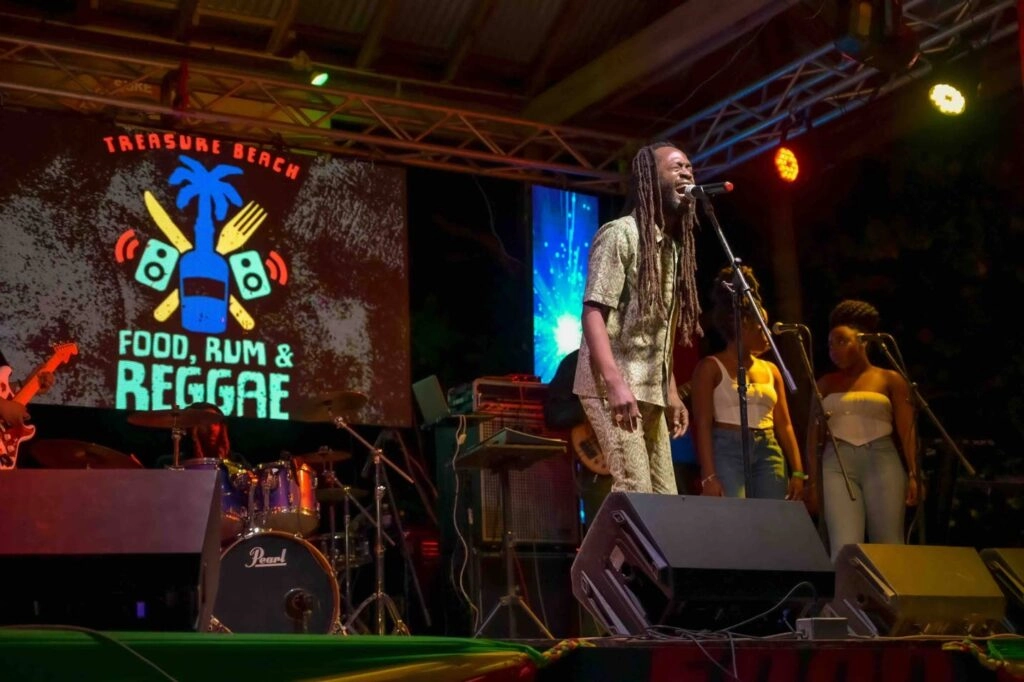
Treasure Beach Food, Rum, and Reggae Festival Returns
The vibrant community of Treasure Beach, located in St. Elizabeth, Jamaica, is set to unfold its rich culinary scene, local rums, and the infectious beats of reggae music as the Treasure Beach Food, Rum and Reggae Festival makes its much-anticipated return from November 7-9, 2025. This festival serves as an ode to the cultural heritage and harvests of Jamaica’s south coast, aiming to create a platform for celebrating the uniqueness of the region.
After a triumphant debut in 2023, the festival’s organizers, including newly appointed co-director Gregory Wright, are enthusiastic about its evolution. Wright expressed personal ties to Treasure Beach, noting the importance of authenticity and community engagement in promoting Jamaican culture. His collaboration with fellow director Jason Henzell is designed to establish the festival as a must-attend event on the tourism calendar.
The festival promises a rich tapestry of experiences, featuring an impressive array of local food vendors, rum tastings, and performances by renowned reggae artists, capitalizing on the success of its inaugural year that showcased stars like Jesse Royal, Luciano, and Richie Spice.
The Jamaica Tourist Board is also supporting the festival, emphasizing its role in enhancing the appeal of Jamaica as a destination for cultural tourism. Donovan White, the director of tourism, highlighted how the festival contributes to community pride and offers visitors an unforgettable experience rooted in local culture.
Event-goers can expect not only to enjoy the festivities at the festival grounds but also to experience iconic attractions such as guided tours to Lover’s Leap, Pelican Bar, and Middle Quarters. The experience is designed to be immersive, allowing visitors to connect with the culture and stories that give St. Elizabeth its charm.
With the stage set for an even grander return, the Treasure Beach Food, Rum, and Reggae Festival is gearing up to create memories and forge connections, celebrating the heart and soul of Jamaica from November 7-9, 2025.
For more information, visit the official site of Treasure Beach Food, Rum, and Reggae Festival.
Sip in Style: Discover Dana Point’s New Oceanview Wine Experience

Wine Experience Dana Point has commenced its soft opening, providing exclusive tastings for wine club members and selected guests. Owner Michael Davis, reflecting on the realization of his dream, feels emotional about the launch of this hybrid wine retail shop and tasting room.
Davis, who holds a level three certification from the Wine and Spirit Education Trust, previously co-owned A Hidden Vine on the Lake in Mission Viejo. After ten years of nurturing a local wine community there, he sought to establish a second location with a stunning ocean view.
The search for the perfect seaside spot spanned a year and a half, during which Davis examined approximately 40 different potential sites. Just when he thought his dream was unattainable, a call from his real estate broker opened the door to a new opportunity: a brand-new building in Dana Point featuring breathtaking views of the ocean.
With the location secured, Davis recalled the enthusiasm of former wine club members Stephen Hines and Karla Clarke, who had expressed interest in collaborating on a wine venture. Their partnership came to fruition, and together they launched Wine Experience Dana Point, blending elements of a wine bar, retail shop, and dining experience. The establishment boasts a team of expertly trained wine stewards, including sommeliers at every front-of-house position.
The shop features an extensive selection of popular and rare wines suitable for both novices and aficionados. Patrons can enjoy any bottle purchased on-site, with innovative wine-by-the-glass dispensers allowing for precise pours. This technology keeps wines fresh post-opening, using food-grade argon gas for still wines and carbon dioxide for sparkling varieties. Customers can load a card with funds to activate the dispensers, offering choices ranging from 1-ounce tastings to full glasses.
Davis emphasizes quality over quantity, with about 60% of their offerings being domestic and 40% imports, all personally vetted for high standards. Wine director Wendy Robb, a certified sommelier, has curated a diverse selection of wines from various regions, ensuring an exciting array for guests.
In addition to wine, the establishment serves complementary menus of cheese boards and charcuterie, as well as heartier dishes like braised short ribs. The anticipatory grand opening is scheduled for September 5, featuring a ribbon-cutting and live virtual DJ set, promising an engaging experience as guests savor wine with the sunset view.
Wine Experience Dana Point is set to officially open at 34137 Golden Lantern in Dana Point on September 5. For more information and reservations, visit wineexperiencedp.com.
Kunia Fire Scorches 15 Acres of Sugar Cane, Sparing Nearby Farms from Major Damage

The recent Kunia brush fire, which is now the largest of a series of fires in the area, destroyed 15 acres of sugar cane, impacting the Kō Hana Rum distillery located at Kunia Camp. The fire started on Tuesday and swiftly spread across 600 acres, primarily affecting the slopes of the Waiʻanae mountains. Air support was crucial, with helicopters conducting water drops throughout the day, helping to manage the fire’s threat to neighboring farms, which had been greater the previous day.
As the flames approached heavily trafficked Kunia Road, there were moments when they jumped across it. Firefighters were able to contain the flames and prevent further damage, prompting an evacuation earlier in the week. The losses are significant for the distillery, as Robert Dawson, co-founder of Kō Hana Rum, described the destroyed sugar cane as a "museum collection" of 36 heirloom varieties, integral to their production methods. This particular crop, annually harvested for rum, will take a year to recover fully.
Despite the destruction, Dawson noted that Kō Hana Rum has ample farmland available and assured that operational impacts would be minimal. The fire also came dangerously close to the Kunia Camp, where facilities include an aquaponics operation, a farmers market, and homes for agricultural workers.
The series of fires in Kunia has raised concerns, and while local officials believe everyone is following proper protocols, Dawson mentioned the need for vigilance against possible arson, as the Honolulu Police Department has opened an investigation into at least one related arson case.
As of Wednesday night, firefighters had contained approximately 70% of the blaze, with no reported injuries or structural damage. City, state, and federal teams remained on-site addressing hot spots and investigating the fire’s cause and the damage done.
For more information on safety and ongoing updates, you can refer to:
Exciting News: Malibu Rum Teases ‘Highly Desirable’ Upcoming Collaboration!
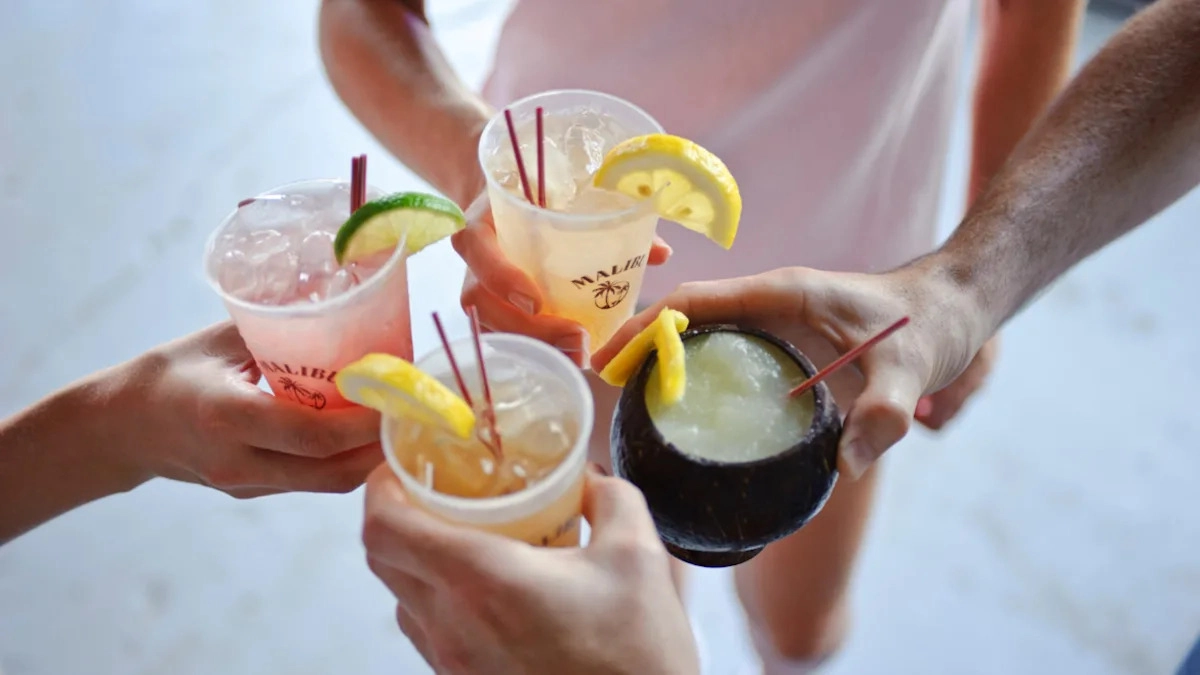
Malibu Rum is set to launch a new collaboration with Dole, aiming to create a popular ready-to-drink line that pairs their white rum-based coconut spirit with Dole’s classic pineapple juice, sparkling water, and natural flavors. This partnership, which capitalizes on the longstanding relationship between the two brands, looks to make it easier for consumers to enjoy Malibu in a convenient format.
The upcoming line will feature four fruity flavors: Pineapple, Pineapple Dragon Fruit, Pineapple Mango, and Pineapple Strawberry. These drinks will come in 12-ounce cans, free from artificial sweeteners or colors, and contain only 130 calories each. Executives from both Malibu and Dole expressed enthusiasm about the collaboration, believing it will enhance the consumer experience by merging two iconic brands in a highly desirable and accessible way.
Fans can expect to see these new canned cocktails at major retailers across the country, but they won’t be available until early 2026. The collaboration promises to bring a refreshing option for those looking for a fun and easy drink option year-round.
Sip in Style: Explore Cinematic Cocktails at Nook
Nestled on top of Bow Market in Somerville is Nook, a stylish cocktail bar renowned for its inviting atmosphere and a unique cinema-themed drink menu that changes every three to four months. Recently, the theme revolves around iconic films, offering cocktails inspired by classics like "The Silence of the Lambs" with the “Little Starling” cocktail, which features a fava bean shrub and chianti float, and "The Big Lebowski," represented by “The Other Lebowski,” a blend of clarified milk punch and cold brew.
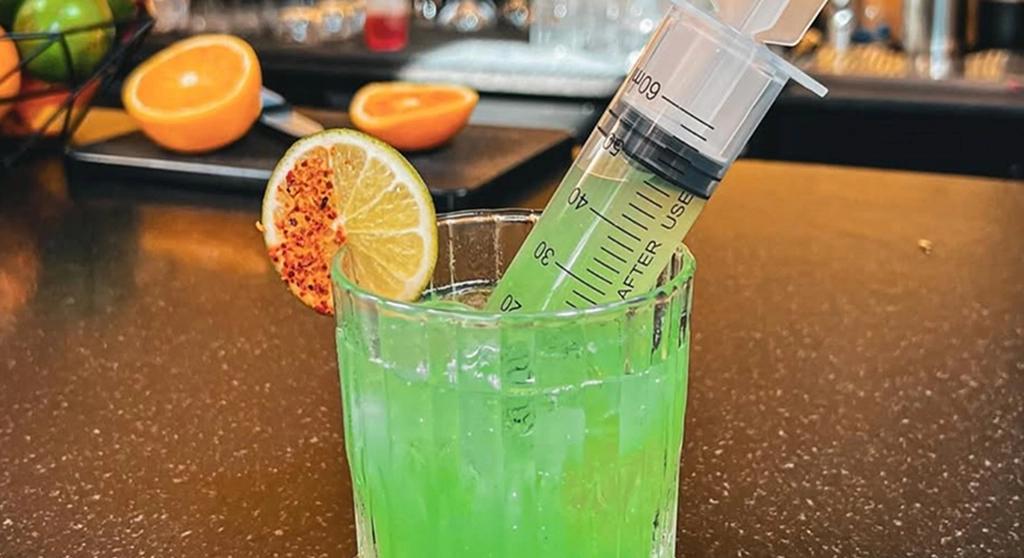
While visiting, I decided to try “The Substance,” named after Coralie Fargeat’s body horror film. It was served in a whiskey glass with a tajin-lime garnish. Although the drink’s color was more subdued than expected, its flavor was vibrant, spicy, and refreshing. My companion opted for “The Long Goodbye,” a mix of house rum, Aperol, coffee, cinnamon, lime, and wormwood bitters, which was just the right balance of spice and sweetness, beautifully served in a highball glass.
I also tasted “Gordon Cole,” a nod to "Twin Peaks," featuring ingredients like Vecchio Amaro del Capo, Aperol, lemon juice, and baijiu. The drink was as bold and unexpected as the TV show, with a striking shade of luminescent orange.
Nook is known for its inventive cocktails, often featuring unusual elements such as mascarpone-washed vodka or gouda-washed Irish whiskey, and all infusions and ingredients are made in-house by a creative bartending team. This dedication to experimentation has produced some equally unique past offerings, including dashi-infused whiskey and feta-infused rum.
As a part of Bow Market, guests at Nook can take their drinks outdoors, enjoying them around the market while exploring the other shops and eateries. The ambiance, particularly in the evening with candlelit tables, makes Nook an ideal spot for a date or a cozy gathering, providing an especially charming environment for those seeking a themed cocktail experience in Union Square.
For more information, visit Nook.
America’s Top Rye Whiskeys: Insights from the Beverage Testing Institute

American rye whiskey is experiencing a remarkable renaissance, capturing the attention of both enthusiasts and judges with its bold spice and rich complexity. At the 2025 Beverage Testing Institute’s judging event, a notable 12 rye whiskeys earned gold medals, reflecting the depth and diversity within the category. Leading this impressive lineup was Heaven Hill’s “Grain To Glass” Kentucky Straight Rye Whiskey, which secured the title of Best American Rye Whiskey, setting a benchmark in this resurgent whiskey style.
Heaven Hill ‘Grain To Glass’ Kentucky Straight Rye Whiskey, 52.6% ABV, 750 ml.
95 Points, Gold Medal. $99
Heaven Hill, the largest family-owned distillery in the U.S., showcases its heritage dating back to 1935 with this whiskey. The “Grain to Glass” series emphasizes traceability, utilizing estate-grown grains for its unique 63% rye, 24% corn, and 13% malted barley mash bill. It presents aromas of freshly baked rye bread, honeycomb, dill, and dried cherry, with a palate that features cracked black pepper, toffee, green apple, and roasted walnut. The medium-long finish offers herbal notes combined with mint, oak spice, and cocoa powder.
Elijah Craig Kentucky Straight Rye Whiskey, 47% ABV, 750 ml.
94 Points, Gold Medal. $33
Another quality offering from Heaven Hill, this rye combines rye spice and bourbon sweetness, featuring a mash bill of 51% rye, 35% corn, and 14% malted barley. Expect vanilla, orange zest, seasoned oak, and cracked pepper aromas, along with flavors of caramel and cinnamon, culminating in a long finish with lingering wood spices and cold smoke.
Knob Creek 10-Year-Old Kentucky Straight Rye Whiskey, 50% ABV, 750 ml.
94 Points, Gold Medal. $69.99
Produced at the Jim Beam Distillery, this 10-year-aged rye whiskey offers a robust flavor profile supported by an undisclosed mash bill believed to be 55% rye. Aromas encompass seasoned oak, burnt caramel, and eucalyptus. Its palate features intense rye flavors alongside molasses, roasted peanuts, and tobacco, ending with a dry, tannic finish.
A. Overholt Monongahela Mash Straight Rye Whiskey, 47.5% ABV, 750 ml.
93 Points, Gold Medal. $40
Reviving an iconic Pennsylvania style, this expression is made with a mash bill of 80% rye and 20% malted barley. It boasts aromas of spice, black tea, and dark honey, with a spicy, rich palate featuring rye spices and cooked cereal, culminating in a bold finish.
Elijah Craig Toasted Kentucky Straight Rye Whiskey, 47% ABV, 750 ml.
93 Points, Gold Medal. $54
This limited release is finished in custom-toasted oak barrels, enhancing its sweetness and depth. With aromas of baking spices and caramelized sugar, the whiskey delivers a creamy palate filled with honey and cooked rye, leading to a smooth finish.
Sagamore Spirit Small Batch Straight Rye Whiskey Batch 2G, 46.5% ABV, 750 ml.
93 Points, Gold Medal. $39
Produced in Baltimore, this whiskey blends high and low rye mash bills (95% rye and 51% rye with corn) reflecting Maryland’s pre-Prohibition style. It has citrus-forward characteristics with aromas of lemon peel and clove, finishing with a long, spicy warmth.
Jefferson’s Blend of Straight Rye Whiskey, 44% ABV, 750 ml.
93 Points, Gold Medal. $34
This blended whiskey harmonizes sourced rye whiskeys for a balanced expression. With aromas reminiscent of freshly baked rye bread and flavors of honey and mint, its finish is silky and medium-long.
Additionally, other rye whiskeys scoring 92 points included Widow Jane Paradigm Rye, Few Bottled-In-Bond Rye, and Rittenhouse Bottled-In-Bond Rye. The results from the 2025 BevTest reaffirm that American rye whiskey is not just surviving but thriving, catering to diverse palates, whether enjoyed straight, in cocktails, or alongside a fine cigar.
The Beverage Testing Institute’s Top Choice: The World’s Best Tennessee Whiskey Revealed

Uncle Nearest dominated the 2025 Beverage Testing Institute’s Tennessee Whiskey competition by winning four out of five gold medals, showcasing its quality and craftsmanship. Meanwhile, Costco’s Kirkland Signature Sour Mash stood out as an excellent budget option, proving that quality Tennessee whiskey isn’t limited to premium brands.
Uncle Nearest Single Barrel No. 3633 Tennessee Whiskey, boasting a high proof of 60.9% ABV, received 92 points and a gold medal. It pays homage to Nathan “Nearest” Green, who taught Jack Daniel the art of distillation. This whiskey showcases typical aromas like brown sugar and banana bread, complemented by robust flavors of caramel, chocolate, and a smoky finish. Despite its accolades, the brand faces financial uncertainties that cast doubts on its future.
Uncle Nearest Master Blend Edition Tennessee Whiskey, with an ABV of 59%, also scored 92 points. This carefully curated blend is designed to highlight the distillery’s diverse flavors, featuring aromas of dried fruits and spices, alongside a complex palate of toffee and light smoke.
Uncle Nearest 1856 Tennessee Whiskey, the brand’s flagship product, earned 91 points with a 50% ABV. This 100-proof whiskey is crafted using the Lincoln County process, delivering classic Tennessee flavors marked by vanilla, cherry syrup, and a long, rich finish.
Kirkland Signature Sour Mash Tennessee Whiskey, offered at $24 for a 1.75-liter bottle, received 90 points and a gold medal, making it recognized for both flavor and affordability. Its pleasant notes of caramel and corn provide a budget-friendly introduction to Tennessee whiskey.
Lastly, Uncle Nearest 1884 Small Batch Tennessee Whiskey, aged a minimum of seven years and bottled at 46.5% ABV, sealed its gold medal with 90 points. This smooth and flavorful whiskey rounds off the competition, proving Uncle Nearest’s range and dedication to excellence.
The 2025 BTI results highlight Uncle Nearest’s steady rise in the Tennessee whiskey industry, alongside Kirkland Signature’s impressive performance, showing a wide spectrum of whiskey options appealing to all enthusiasts.